Why Trishuli River Rafting Makes the Perfect 1-Day Escape from Kathmandu
If you're in Kathmandu and want a solid hit of adventure without burning a whole weekend, the 1-day Trishuli rafting trip is hard to beat. It's Nepal's most popular whitewater run for a reason: close enough (just 2.5-3 hours drive west), exciting enough to get your heart pumping, but forgiving for first-timers or groups with mixed experience. The river runs parallel to the Prithvi Highway, so you're never far from civilization, yet you still get those classic gorge sections with rocky walls, small waterfalls spilling in, and green hills rising up around you.
Most people book this as a quick break from the city chaos or slot it in on the way to Pokhara or Chitwan. You leave early, raft the best stretch (usually from around Charaudi or Benighat down to near Fishling or Kurintar), and you're back in Thamel by evening, tired, soaked, and buzzing.
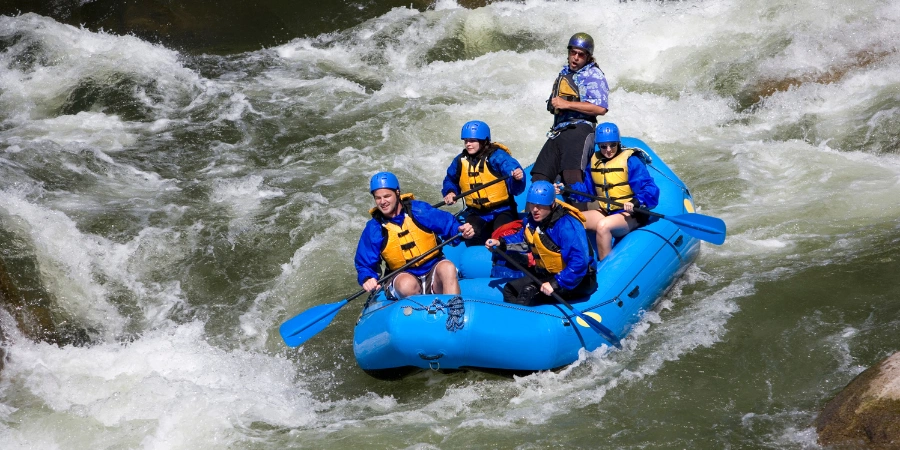
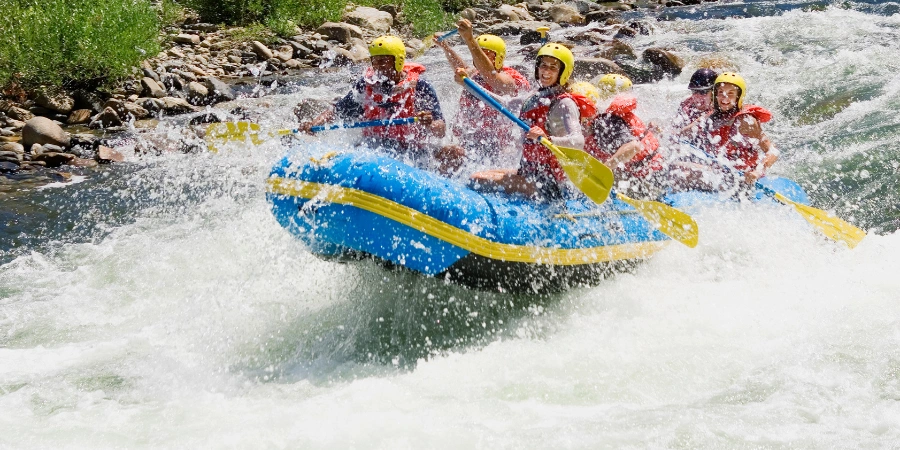
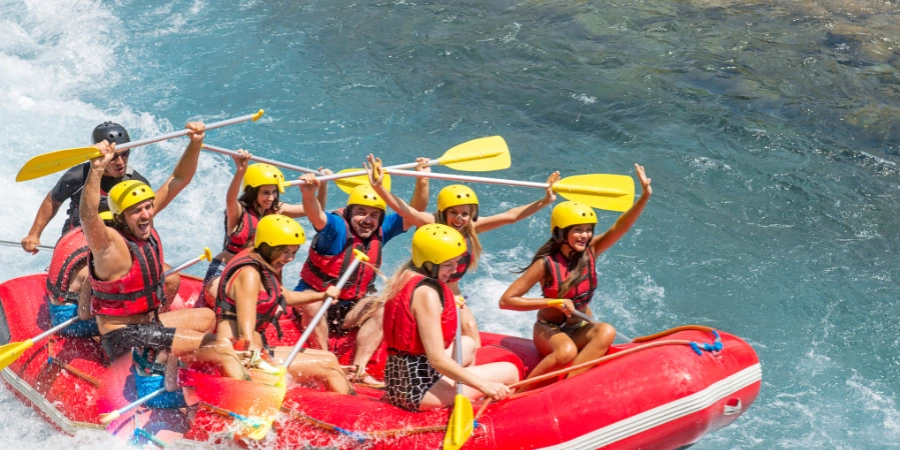
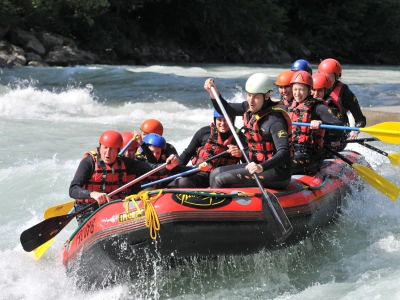
The rapids are mostly class 2-3 with solid class 4 hits like Black Rock, Frog in a Blender, Ladies Delight, Mother's Pride, Monsoon, and The Wall ,big splashes, roller-coaster drops, and plenty of chances to yell and laugh with your boat crew. It's not as steep or relentless as Bhote Koshi, but that's what makes it approachable. Beginners get coaching, families do it fine, and seasoned folks still find it fun pushing harder lines.
The whole package feels straightforward and good value. Operators pick you up from your hotel (usually 6-7 AM), provide full gear (helmet, life jacket, paddle, sometimes wetsuit), give a proper safety briefing, handle the transport, serve a riverside lunch, and drop you back. No overnight hassle, no heavy packing ,just grab quick-dry clothes, sunscreen, and go.
What a Typical 1-Day Trishuli Itinerary Looks Like
The day starts with pickup from your hotel in Kathmandu around 6-7 AM. You hop in a van or tourist bus with your group (often 6-8 per raft plus guide). The drive takes 2.5-3 hours along the Prithvi Highway ,passing rice terraces, small villages, and glimpses of the river building up. It's scenic enough to keep you entertained, with a quick tea stop if needed.
You reach the put-in point (Charaudi or similar) by 9-10 AM. Guides unload the rafts, fit everyone with gear, and run through the safety talk: paddle commands, high side for big waves, what to do if you swim (feet up, float position), and how to stay together. They practice strokes on the bank if anyone's new. Then it's time to launch.
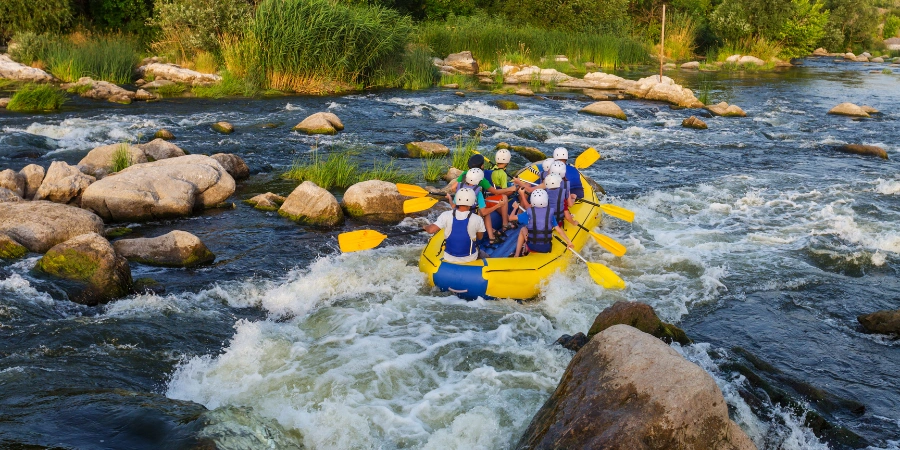
Rafting lasts 3-4 hours total, covering about 15-20 km of the best section. The river starts bouncy with class 2-3 warm-ups, then hits the bigger stuff ,technical drops, big waves that soak everyone, and fun holes where guides might spin the raft for extra thrills.
You paddle hard through the class 4 rapids, take breathers in calmer pools, and get chances to jump in for swims or splash fights. The gorges are narrow in places, with cliffs rising high and water rushing fast ,great for photos if your guide has a waterproof camera.
Around midday or early afternoon, pull over for lunch on a sandy river beach. It's usually a solid spread: dal bhat, grilled chicken or veg, salads, fruit, and cold drinks. Sit in the sun, dry off a bit, chat about the morning's big hits, and recharge.
Back on the water for the final stretch ,more rapids mixed with float sections where you can relax and take in the views. You take out by mid-afternoon (around 2-4 PM depending on water levels and group pace), change into dry clothes, and load up for the drive back. Traffic can add time, but you're usually back in Kathmandu by 6-8 PM, dropped at your hotel.
Practical Stuff and When to Go for the Best Run
This trip works year-round, but the sweet spots are autumn (September-December, especially October-November) and spring (March-May). Water's clean and powerful then, weather's warm but not brutal, and skies are clear for those gorge views. Monsoon (June-August) makes it bigger and faster ,only for experienced folks, with more debris risk. Winter (December-February) is calmer, fewer crowds, but colder water means layers and maybe wetsuits.
Pack simple: quick-dry shirt/shorts, sturdy sandals or old sneakers (no flip-flops), change of dry clothes for the ride home, towel, sunscreen, hat/sunglasses with strap, small waterproof bag for phone/camera, and any meds. Basic fitness helps with paddling, but you don't need to be super fit ,guides adjust pace and give tips.
Safety's solid: experienced local guides, good gear, backup kayakers on busy days. Listen during the briefing ,it covers everything. Cost usually lands $40-70 USD depending on group size and operator, covering transport, lunch, gear, and guide.
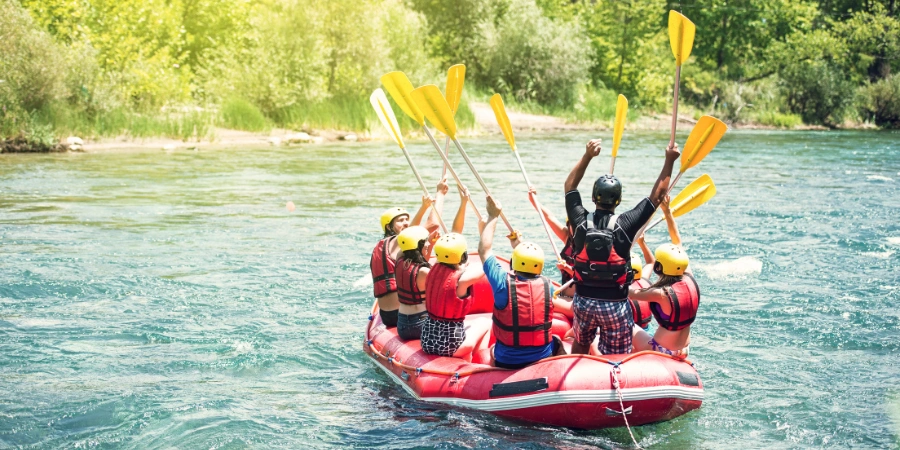
At the end of the day, you walk away drenched, smiling, with stories about getting smashed by waves and the crew's jokes. It's the classic Nepal day-trip adventure: easy logistics, real thrills, and that happy exhaustion when you crash back in the city.