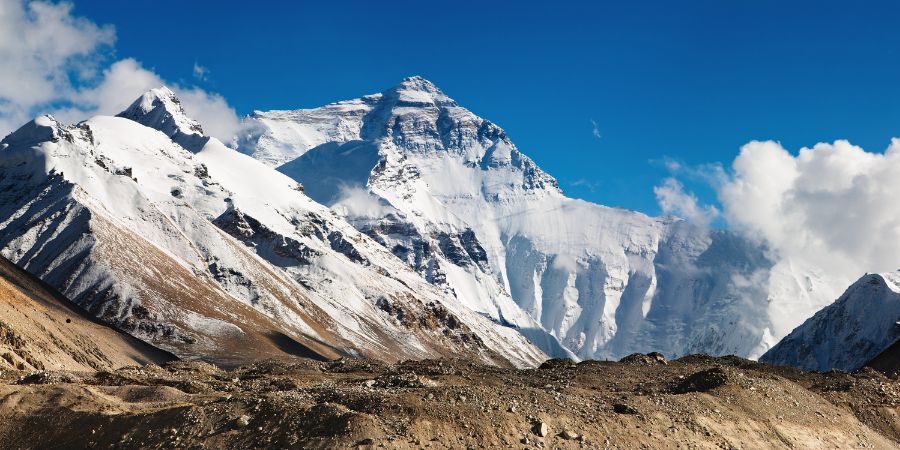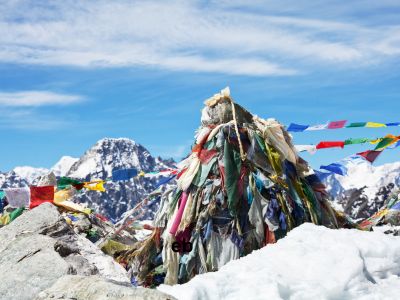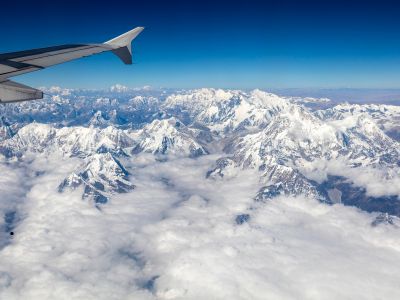
Lobuche East Peak climbing hits different if you're already in Kathmandu dreaming about the next step up from just trekking to EBC. It's not Everest, thank god, but it's a legit 6,119m summit in the heart of the Khumbu, right next to the world's highest, with views that make the whole slog worth it.
You get the classic Everest Base Camp trek thrown in (Lukla flights, Namche, Tengboche, all that Sherpa village magic), plus actual climbing on snow, ice, and some exposed ridges. It's classified as a "trekking peak" by the Nepal Mountaineering Association, which means it's accessible for fit people with basic mountaineering know-how, no full-on expedition experience needed, but don't kid yourself, it's still tough. Altitude sickness is the real boss fight here, and the summit day can be 10-12 hours of steep, cold work.
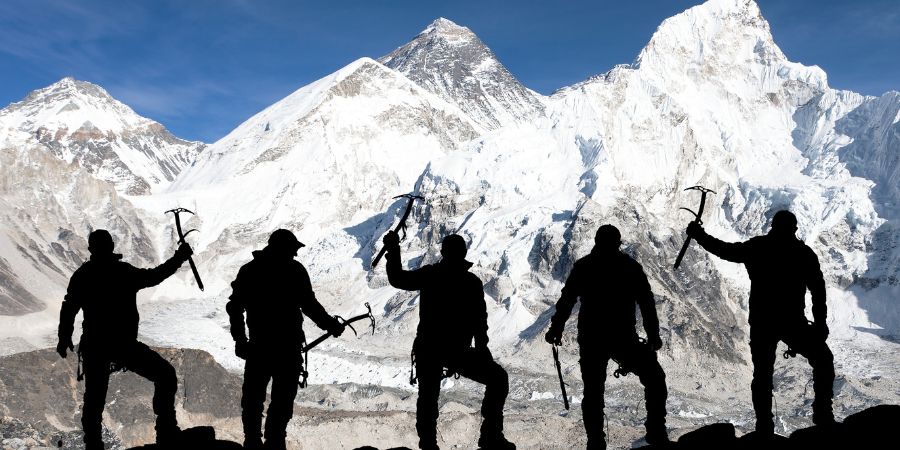
The peak itself splits into East and West. East (6119m) is the one most packages go for, it's the "true" summit for trekking peak folks, more straightforward, while West (6145m) is way more technical and needs expedition permits. East route involves glacier travel, fixed ropes on 45-50 degree snow/ice slopes, some rocky bits, and a narrow ridge near the top. You use crampons, ice axe for self-arrest, harness for safety, and rope work with the guide.
No rock climbing walls or extreme ice falls like on bigger mountains, but exposure is real, drops off the side can mess with your head if heights aren't your thing. Success rates hover around 70-80% in good weather with proper acclimatization, but wind, sudden storms, or AMS can shut it down fast.
Best time? Spring (March-May) and autumn (September-November). Right now in mid-February 2026, we're heading into spring prime, clear skies, stable weather, less wind than winter. Days might hit 5-10°C at base camp levels, but nights drop to -10°C or colder, and summit push could be -20°C with wind chill. Monsoon (June-August) is a no-go, rain, leeches, slippery trails, low visibility. Winter's possible but brutal cold and deep snow make it harder and riskier.
Difficulty-wise, it's moderate to hard. Physical side: You need solid cardio and leg strength, think 6-8 hour training hikes with 800-1000m gain carrying a pack. Stairmaster, squats, lunges, long walks with elevation. Mental toughness too, pushing through headaches, cold toes, and that thin air above 5000m where every step feels heavy. Technical requirements: Basic stuff like walking in crampons, using ice axe properly, clipping into fixed ropes, moving on ropes in a team.
Guides provide training at base camp (usually a full day practicing self-arrest, rope ascents, etc.), so even if you've never done it, you can learn. But prior high-altitude trekking helps a ton, having been to 5000m+ before makes a huge difference. If you're coming straight from sea level with no prior trips, it's pushing it.
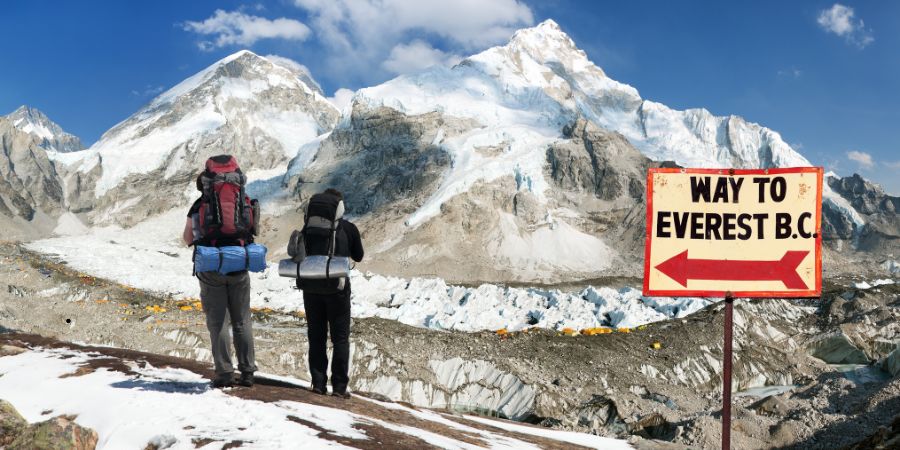
The package usually runs 18-20 days like the one you outlined, blending the EBC trek with the climb. Early days are teahouse luxury (hot meals, beds, even WiFi in Namche), then it gets rugged, tents at Lobuche base camp (around 5200m), basic food, shared everything.
Porters carry most gear (your day pack stays light, 5-8kg), but you haul personal stuff. Summit day starts super early (1-2am headlamp start), climb in the dark to catch sunrise views, then descend before afternoon winds pick up. Views from the top? Unreal, Everest, Lhotse, Makalu, Ama Dablam all in your face. It's one of those "I stood on top of the world" moments without the Everest price tag or crowds.
Cost breakdown for 2026: Group packages (4+ people) land around $2500-3500 USD per person. Here's the rough split:
- Lukla flights (round-trip): $350-450
- Permits: NMA climbing permit $250 spring (autumn $125, but spring's pricier and busier), Sagarmatha National Park $30, TIMS $20, Khumbu entry maybe extra $20. Total permits/fees ~$350-500.
- Guide/Sherpa/porters: Big chunk, experienced climbing guide, assistant Sherpas for summit ropes.
- Gear rental (crampons, ice axe, harness, helmet, sleeping bag if needed): $100-200 in Thamel.
- Teahouse/tent accommodation, all meals on trek (BLD), airport transfers, hotel in KTM: The rest.
Cheaper if you go budget (smaller group, basic teahouses), up to $4000+ for private or luxury add-ons. Tips for guides/Sherpas/porters extra, $200-400 total per climber is fair. Insurance mandatory, high-altitude evac coverage to 7000m+ (Helicopter rescue can hit $5000+ without it).
Risks? Altitude sickness tops the list, symptoms like headache, nausea, dizziness. Acclimatization days in Namche and Dingboche are non-negotiable; the itinerary builds them in smartly. Weather flips fast, whiteouts, high winds.
Crevasses on the glacier (guides rope you up). Slips on ice (crampons help, but self-arrest training saves you). Guides carry radios, oxygen if needed, first aid. Always listen to them, summit fever kills more than falls sometimes.
Why do it? It's the perfect bridge, gets you EBC views, Kala Patthar sunrise, plus a real summit. Feels earned, not touristy. Standing there at 6119m looking down on the Khumbu Glacier, knowing you climbed it, sticks with you.
If you're prepping now in Kathmandu, hit the gear shops in Thamel early, test boots, maybe do a Nagarkot or Shivapuri hike for legs. Train smart, eat well, stay hydrated from day one. It's not easy, but Nepal rewards the effort every time.