Thamel, Bhagwati Marg, Kathmandu

Langtang Valley Trek

From: $821 /Person
Langtang Region
(0 Reviews)
Best Price

US$ 779.95

Duration

11 Days

Destination

Langtang Region

Best Season

Feb-May & Aug-Nov-dec

Difficulty Level

Moderate

Max Altitude

4773 m

Activity

Trekking

Transportation

Car | Jeep | Bus

Itinerary

Time
Whole Day
Max Altitude
1,400 m


  • Flight into the Valley As your plane descends toward Kathmandu, keep an eye out the window for incredible first views: the wide bowl of the Kathmandu Valley ringed by green hills, patchwork terraced fields climbing the slopes, and,if the weather’s clear,a stunning lineup of Himalayan peaks stretching across the northern horizon (Langtang, Ganesh, maybe even a glimpse of Manaslu or Annapurna on a really good day). It’s a perfect teaser for what’s ahead.
  • Airport Arrival & Transfer After landing at Tribhuvan International Airport (KTM) and clearing immigration/customs, our representative will be waiting for you in the arrivals hall with a sign (usually your name or company name). They’ll help with your luggage, get you through the crowd, and drive you to your hotel in the city center or Thamel area, traffic can be hectic, so it usually takes 30–45 minutes depending on the time of day.
  • Check-in & Settle In Once at the hotel, check in, freshen up, and take a moment to adjust after the flight. If you’re feeling the jet lag, rest up in your room or on the rooftop terrace with a cup of chai while watching the city buzz below.
  • Afternoon: Explore or Chill Depending on your energy and arrival time:
    • Explore – Stroll to nearby spots like Durbar Square (ancient temples, royal palace, living goddess Kumari’s house), Swayambhunath (Monkey Temple) for sunset views over the valley, or just wander Thamel’s narrow lanes full of shops, street food, and people-watching.
    • Relax – Stay put at the hotel, maybe hit the rooftop for views, grab a coffee, or nap to shake off travel fatigue. No pressure,your trek starts tomorrow or the next day, so ease in.
  • Evening Dinner in Thamel Head out for dinner in Thamel, Kathmandu’s lively tourist hub. It’s packed with restaurants serving everything from wood-fired pizzas and burgers to classic Nepali dal bhat, momos, thukpa (noodle soup), or Newari feasts. Many places have live music, rooftop seating, or cozy vibes,perfect for your first taste of Nepali food and people. Our team can recommend spots if you want something specific (vegetarian-friendly, quiet, or adventurous street eats).
  • Overnight Comfortable hotel stay in Kathmandu (usually in or near Thamel for easy access to everything). Get a good night’s rest,tomorrow brings either more city time, a drive to the trailhead, or your first steps into the mountains.


Time
Whole Day
Max Altitude
1,400 m


  • Early Morning Magic Wake up early while Kathmandu is still quiet—the streets are calm, the air feels fresh, and the city has a peaceful, almost sleepy charm before the daily chaos begins. This is one of the best times to experience the real feel of the valley.
  • Morning Exploration Take a relaxed stroll around your hotel neighborhood or head to a nearby spot:
    • Sit with a hot cup of Nepali chiya (spiced milk tea) on a rooftop or balcony overlooking one of the historic Durbar Squares (Kathmandu, Patan, or Bhaktapur—pick one based on your location).
    • Wander through quiet courtyards (bahals) where locals are sweeping, lighting incense, or feeding pigeons.
    • If you're near Thamel, walk the back lanes where shops are just opening and you can watch street vendors setting up. It’s a gentle way to ease into the day and catch the morning light on old temples and brick buildings.
  • Daytime Sightseeing Options Kathmandu Valley is packed with UNESCO World Heritage Sites and hidden gems—plenty to fill your day without rushing. Popular choices (your guide can customize based on interests and energy):
    • Swayambhunath (Monkey Temple) ,Hilltop stupa with sweeping valley views, monkeys everywhere, and a mix of Hindu/Buddhist vibes. Great in the morning light.
    • Pashupatinath Temple ,Sacred Hindu site on the Bagmati River with cremation ghats, sadhus, and ancient shrines (non-Hindus can view from outside).
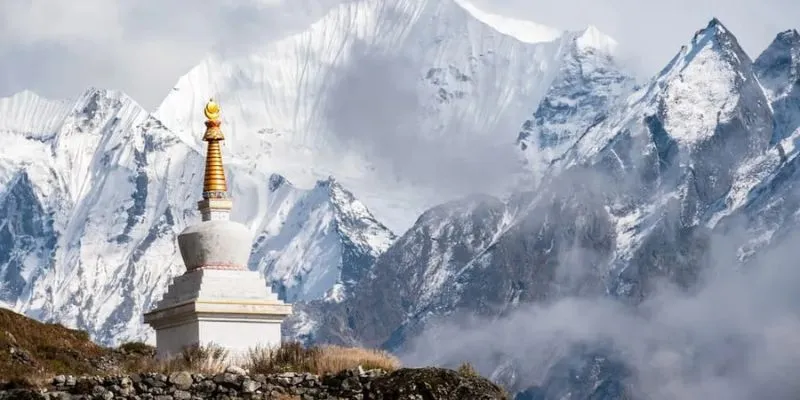
    • Boudhanath Stupa ,Massive Buddhist stupa with prayer wheels, monks, and a lively Tibetan refugee community—walk the kora (circumambulation) for good karma.
    • Patan or Bhaktapur Durbar Square ,Less crowded than Kathmandu’s, with intricate wood carvings, temples, and artisan workshops (metalwork, pottery, thankas).
    • Garden of Dreams ,Quiet oasis in Thamel with ponds, pavilions, and a café—perfect if you want something low-key. Your guide can arrange a private vehicle or rickshaw to hop between 2–3 spots comfortably.
  • Evening Dining Wind down with a memorable dinner:
    • Restaurant option ,Head to one of Kathmandu’s better spots like Krishnarpan (at Dwarika’s Hotel for upscale Newari tasting menu), Bhojan Griha (traditional Nepali in a historic house), or Fire and Ice for wood-fired pizza if you’re craving something familiar.
    • Home-hosted meal ,For something more authentic, your guide can arrange dinner at a local family’s home—sit on the floor or around a low table, enjoy home-cooked dal bhat with seasonal veggies, achar, and maybe some homemade raksi (rice wine). It’s a warm, personal way to taste real Nepali hospitality and hear stories from the family.
  • Overnight Back at your hotel in Kathmandu. Rest well—tomorrow usually means an early start for the drive to your trek trailhead (Syabrubesi for Langtang, Arughat/Dhading for Manaslu, etc.).


Time
6 - 7 hrs
Max Altitude
1,460 m


  • Scenic Road Out of the Valley As you leave Kathmandu and climb out of the valley, the views open up fast. Look west for glimpses of the Annapurna range on clear days, then north and east toward the closer peaks of Ganesh Himal, Manaslu, and the rugged Langtang Himal ahead. The road winds through green hills, past terraced fields, small villages, and rivers—the landscape shifts from urban to rural Nepal in no time.
  • Through Trisuli & Up to Dunche You'll pass through the lively town of Trisuli (around 2–3 hours in), known for its river rafting and hydropower dam—good spot for a quick chai or toilet break. From there, the road climbs steadily into the hills: narrower, twistier, with more hairpin turns and epic drop-offs. You'll enter Langtang National Park near Dhunche (around 1,950 m), where there's a checkpoint for your park permit (we handle this). The air gets cooler and fresher, and the mountains feel much closer.
  • Final Descent to Syabrubesi After Dunche, the road drops down into the Bhote Koshi and Langtang Khola valleys—steep switchbacks through pine forests and small settlements. You arrive in Syabrubesi (1,460 m / 4,790 ft) in the late afternoon. This riverside village is the official trailhead for the Langtang Valley Trek: a mix of stone houses, suspension bridges, a few shops, and the roar of the river below. It's basic but welcoming, with a real sense of being on the edge of the mountains.
  • Overnight Check into a simple teahouse or lodge in Syabrubesi—twin rooms with shared bathrooms, hot showers if the solar is working, and hearty food (dal bhat, noodles, eggs). Use the evening to stretch your legs along the river, pack your daypack for tomorrow's walk, chat with other trekkers, and get an early night. The real trekking starts tomorrow—exciting!


Time
6 - 7 hrs
Max Altitude
2,450 m


  • Crossing the Bridge Kick off the morning by crossing the "Tibet River" since it flows down from the border area with Tibet). The suspension bridge swings gently over the rushing turquoise water—classic Nepal trekking start. Take a moment to enjoy the views upstream where the valley narrows and the mountains close in.
  • Gentle Ascent Through the Forest From the bridge, the trail climbs steadily but not too steeply through peaceful oak and rhododendron forests. The path is shaded, with dappled sunlight filtering through the leaves, and the air smells fresh with pine and damp earth. You'll soon join the main trail coming up from Syabrubesi proper—it's a quiet, green start with the sound of the river fading behind you as you gain height.
  • Wildlife Along the Way Keep your eyes (and ears) open for langur monkeys—they're often lounging in the treetops or leaping branch to branch with their long tails trailing. You might spot them munching leaves or just watching you curiously. The forest is alive with bird calls too—great for a relaxed, immersive first day.
  • Arrival at Lama Hotel After about 5–6 hours of steady walking (mostly uphill but with plenty of flat sections), you reach Lama Hotel at around 2,470 m (8,103 ft). It's not a fancy hotel—it's a cluster of cozy teahouses/lodges right on the trail, surrounded by forest. The name comes from the old lama who used to run one of the original spots. Drop your pack, stretch out, and enjoy the sense of being properly in the mountains now.
  • Overnight Settle into your teahouse at Lama Hotel—basic twin rooms with blankets, shared bathrooms, and usually a hot shower if the solar heater's working. The common dining area gets warm with the stove going, and dinner is hearty: dal bhat with extra veggies, maybe some garlic soup (great for keeping altitude bugs away), or noodles if you're craving variety. Chat with other trekkers, recharge your batteries (literally—some places have charging), and get an early night. Tomorrow the valley opens up more, and the real Langtang views begin.


Time
4 - 5 hrs
Max Altitude
3,550 m


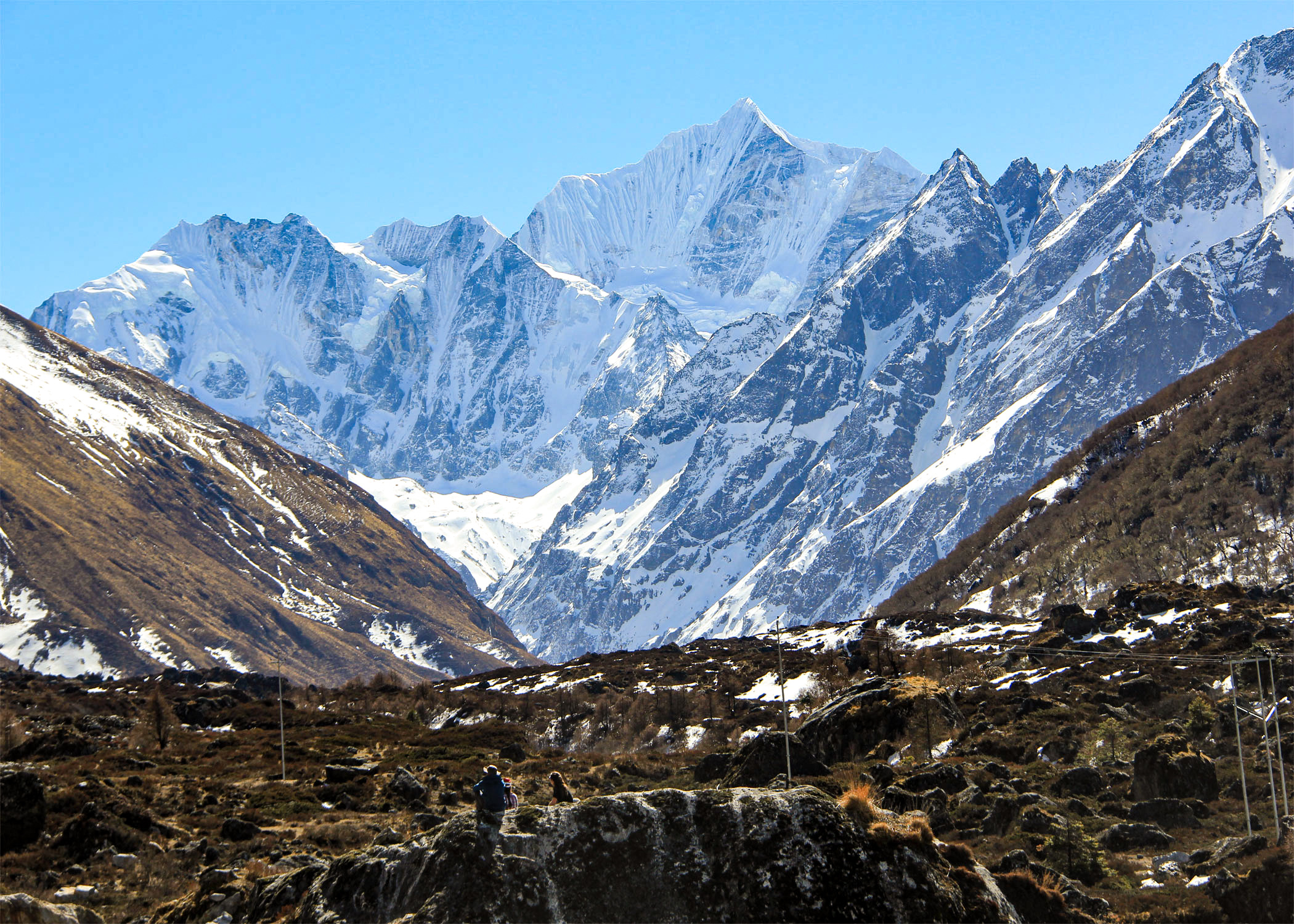
  • Morning Ascent with First Glimpses Start the day with a steady climb through the forest—mostly shaded oak, rhododendron, and bamboo. As you gain height, the trees thin out and you start catching occasional clear views of Langtang Lirung (7,227 m) towering ahead—its snowy face and glaciers peeking through the branches. These first real mountain sights make the uphill feel rewarding.
  • Arrival at Ghora Tabela After 3–4 hours, reach Ghora Tabela at around 3,000 m (9,842 ft). This flat clearing was once a Tibetan refugee resettlement camp but is now home to a Nepal Army post (checkpoint for permits and security). It's a good spot for a tea break—grab a cup at one of the small teahouses while enjoying the open views back down the valley.
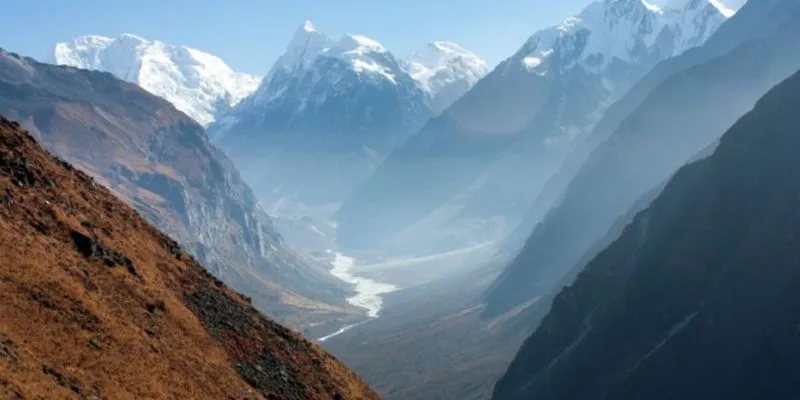
  • Valley Opens Up From Ghora Tabela, the trail levels out and the valley widens dramatically—no more tight gorge, just broad alpine meadows and scattered herder huts. In summer, you'll see yaks and dzos (yak-cow crosses) grazing in the pastures, bells clanging softly. The landscape feels wilder and more open, with the river far below and peaks closing in on both sides.
  • Passing the Langtang Village Site The trail continues gently uphill, but this section carries a somber note: what was once the bustling village of Langtang (destroyed by a massive avalanche during the 2015 earthquake) is now mostly a rocky debris field. A few rebuilt structures and memorials stand as quiet reminders. Many locals lost family here—your presence and support help the rebuilding efforts and the surviving community. Take a respectful moment if you feel like it; it's a powerful part of the trek.
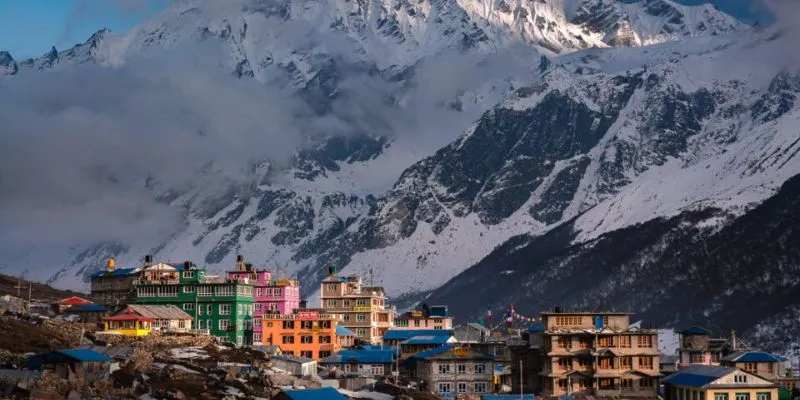
  • Short Walk to Mundu From the village site, it's just another 30 minutes or so of easy walking to Mundu at about 3,550 m (11,646 ft). This small settlement has some of the last traditional stone-and-wood homes with flat roofs and carved details—classic Tamang architecture. Most guesthouses here are newer and more modern (post-earthquake rebuilds), with better insulation, bigger windows, and sometimes even attached bathrooms.
  • Overnight Settle into a lodge or guesthouse in Mundu after roughly 6 hours of trekking. Rooms are cozy (twin beds, thick blankets for the cooler nights), the dining area has a stove for warmth, and dinner is hearty—dal bhat with local greens, perhaps some buckwheat bread or yak cheese if available. Use the evening to relax, chat with other trekkers, or step outside for stargazing—the altitude makes the night sky incredibly clear. Tomorrow you reach Kyanjin Gompa, the trek's high point.


Time
4 - 5 hrs
Max Altitude
3,800 m


  • Gradual Ascent Through Open Valley Leave Mundu in the morning and enjoy one of the easiest and most beautiful stages of the trek. The trail climbs gently as the valley opens wide—gone are the tight forests, replaced by broad alpine meadows, yak pastures, and scattered herder huts. The path is mostly flat or slightly uphill, with the Langtang Khola river rushing nearby and the massive snowy face of Langtang Lirung dominating the skyline ahead. It's a peaceful, open stretch where you can walk at your own pace and soak in the 360-degree mountain views.
  • Arrival in Kyanjin Gompa After about 3–4 hours of relaxed walking (crossing a few small streams and moraine ridges), you reach Kyanjin Gompa at around 3,800 m (12,467 ft). This is the highest permanent settlement in the valley and the trek's turnaround/highlight spot. The village has a cluster of stone lodges, a small gompa (monastery) with prayer flags and murals, and the famous government-run cheese factory right in the center—perfect for grabbing fresh yak cheese, curd, or yak butter for lunch or snacks (the cheese is mild, creamy, and surprisingly addictive after days of dal bhat).
  • Afternoon Free Time You'll usually arrive by midday or early afternoon, so the rest of the day is yours. Options include:
    • Relax – Settle into your teahouse, enjoy a hot lunch (maybe cheese with bread or chapati), read, nap, or just sit outside with a cup of tea watching yaks graze and clouds drift over the peaks.
    • Explore the village – Wander to the small gompa for a quiet visit (monks may be chanting), check out the cheese factory process (they often let you watch or taste), or stroll around the flat meadows.
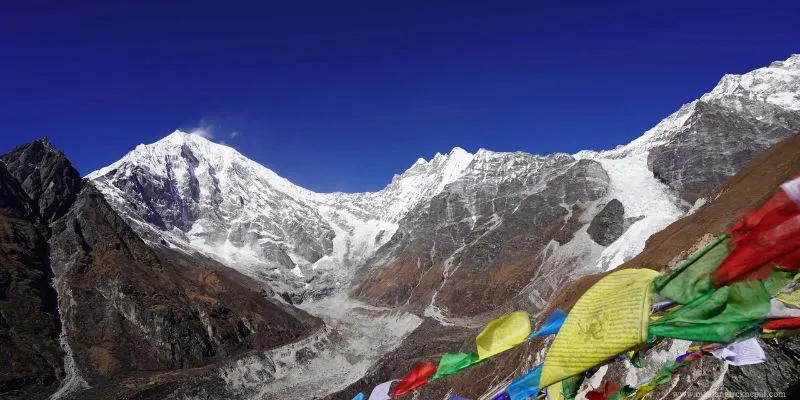
    • Side hike to Langshisha Kharka – If you're feeling energetic and acclimatized, do the optional 2–3 hour round-trip walk farther up the valley toward Langshisha Kharka (about 4,000–4,200 m). The trail follows the river through more pastures and moraine, ending at a high viewpoint with jaw-dropping close-ups of Langtang Lirung, Langshisha Ri, and other surrounding peaks. It's not too strenuous (gentle gradient) and offers some of the best panoramas on the trek—worth it if the weather is clear.
  • Overnight Stay at a cozy teahouse or lodge in Kyanjin Gompa. Rooms are basic but comfortable (twin beds, extra blankets for the chillier nights at this altitude), and the common area usually has a stove to keep things warm. Dinner is hearty—dal bhat with local cheese or greens—and the atmosphere is relaxed with trekkers sharing stories. Get a good rest; tomorrow you start the descent, but today is for enjoying the high valley magic.


Time
Whole Day
Max Altitude
4,700 m
  • Rest Day at Kyangjin: Today is a rest day at Kyangjin, the highest point of this trek. Take the opportunity to enjoy stunning views of the Tsergo Ri and Kyanjin Riading, which rises above 4,700 m.
  • Spectacular Scenery: From this vantage point, you can see magnificent peaks, including:
    • Langtang Himal: The range that includes Langtang Lirung (7,234 m) and Ganesh Himal (7,405 m).
    • Other Notable Peaks: Bengaluru (Langtang II), Kimshun (6,745 m), Shalbachum (6,918 m), Chimsedang, Naya-Kanga (Ganja Chuli) at 5,846 m, Gangchempo, and Tilman's Fluted Peak, stretching east toward 6,980 m.
  • Tibetan Views: The scenery also encompasses several peaks on the Tibetan side of the border, formed by the Langtang Himal, which separates Nepal from Tibet/China.
  • Overnight Stay: Enjoy a comfortable overnight stay at a teahouse or lodge in Kyangjin
Time
3 hrs
Max Altitude
4,773 m


  • Leaving Kyanjin Gompa After breakfast (maybe with some fresh yak cheese from the factory if you stocked up), start retracing your steps downhill from Kyanjin Gompa. The trail heads back through the wide alpine meadows and yak pastures of the upper valley, passing Mundu village again. The path follows the Langtang Khola river closely—its milky turquoise water rushing alongside you as you lose height. The morning light on Langtang Lirung and the surrounding peaks is often beautiful one last time before the trees close in.
  • Quicker Descent to Ghora Tabela Going downhill is naturally faster and easier on the legs than the uphill climb—expect to cover the distance in about half the time it took going up. The open valley narrows gradually, and you'll pass the same herder huts and grazing yaks (now probably moving slower in the warmer lower air). Take your time to enjoy the scenery without the effort of ascending—snap photos, breathe in the fresh pine air, and appreciate how different the views look from this direction.
  • Lunch Stop & Continue Down Reach Ghora Tabela (around 3,000 m) in time for a relaxed lunch at one of the teahouses—dal bhat, noodle soup, or whatever sounds good to refuel. After eating, keep descending through the forest section: shaded rhododendron and oak woods, with the occasional glimpse of langur monkeys in the trees if you're lucky. The trail is mostly gentle downhill with some rocky steps, but nothing too tough after the high-altitude days.
  • Back at Lama Hotel Arrive at Lama Hotel (2,470 m) in the mid-to-late afternoon after roughly 5–6 hours total walking (including breaks). It's the same cozy cluster of lodges where you stayed on the way up—familiar faces from the family running the place, warm stove in the dining room, and that satisfying feeling of completing the upper valley loop. Drop your pack, stretch out, and enjoy the lower altitude (easier breathing and warmer nights).
  • Overnight Settle in for the night at Lama Hotel. Enjoy a hearty dinner—perhaps celebrate with extra helpings of dal bhat or try some local raksi if offered. The common area fills up with trekkers sharing stories from Kyanjin, and it's a great spot to relax, recharge your phone (if charging's available), and rest those legs. Tomorrow you'll continue the descent back toward Syabrubesi and civilization.


Time
3 hrs
Max Altitude
2,380 m


  • Easy Descent Through the Hills After breakfast at Lama Hotel, start the final downhill stretch back to Syabrubesi. The trail mostly retraces the same path you took up—through shaded oak and rhododendron forests, past small streams and the occasional waterfall. Going down is quick and gentle on the legs (usually 4–5 hours total), with plenty of time to enjoy the serene, tree-covered hills, bird calls, and the fresh smell of pine. The river sounds grow louder as you drop lower, and the air feels warmer and thicker with oxygen— a nice change after the higher altitudes.
  • Optional Detour: Via Sherpa Gaon If you're feeling strong and want a bit more adventure (and don't mind adding 1–2 extra hours), skip the direct path from Rimche and take the longer detour to Syabrubesi via Sherpa Gaon. This alternative route climbs slightly higher through terraced fields and traditional Tamang/Sherpa villages, offering beautiful open views across the valley, more glimpses of distant peaks, and a quieter, less-trodden feel. It's a rewarding side trip if the weather is clear and your knees are up for a little extra downhill—ask your guide in advance if you want to do this (they'll know the best way based on conditions).
  • Arrival in Syabrubesi Whether you take the direct trail or the detour, you'll reach Syabrubesi (1,460 m) by early to mid-afternoon. The village feels familiar now—the roaring Bhote Koshi river, the suspension bridge you crossed on Day 1, and the cluster of teahouses welcoming you back. Drop your pack, stretch out, and enjoy the sense of completion—you've just finished the full Langtang Valley loop!
  • Evening & Overnight Settle into a comfortable lodge or guesthouse in Syabrubesi. Take a hot shower (if available), relax by the river, or wander the village lanes. Dinner will be hearty and celebratory—dal bhat with extras, maybe some fresh veggies or momos, and a chance to toast with your group or share stories from the trek. Reflect on the highlights: the sunrise views from Kyanjin Ri, the quiet gompa, the yak cheese, and all the peaceful moments in between. Early night recommended—tomorrow is usually the drive back to Kathmandu.
Time
6 - 7 hrs
Max Altitude
1,400 m
  • Journey to Kathmandu: Take an overland journey from Syabrubesi village in Rasuwa district to Kathmandu, traveling by private car, coach, or tourist bus, depending on your group size.
  • Scenic Morning Ride: Enjoy an early morning ride along the same scenic road, with breathtaking views throughout the drive back to Kathmandu.
  • Afternoon Free Time: Once you arrive, you’ll have the afternoon free for personal activities, including souvenir shopping.
  • Overnight Stay: Spend the night at a hotel in Kathmandu, reflecting on your trekking adventure.
Time
Whole Day
Max Altitude
1,400 m


  • Airport Transfer Our representative will meet you at your hotel lobby at the agreed time (usually 3–4 hours before your international flight, depending on traffic and check-in needs). They’ll help with your luggage, load you into the vehicle, and drive you to Tribhuvan International Airport (KTM)—the ride takes about 30–45 minutes from most central areas, but we build in extra buffer time for Kathmandu’s unpredictable traffic. They’ll assist at the airport entrance if needed and make sure you’re set before heading back.
  • At the Airport We recommend arriving at least 2 hours before your flight (3 hours if it’s peak season or you have checked bags). Use the extra time for duty-free shopping, a final coffee, or just relaxing in the departure lounge. Check-in, security, and immigration are straightforward—your representative can guide you through the process if it’s your first time. As you board, take a moment to reflect on the Langtang Valley Trek: the quiet forests, epic sunrise views over Langtang Lirung, the warmth of Tamang hospitality, the yak cheese, and all those peaceful trail moments. Nepal has a way of staying with you.
  • Safe Travels & Until Next Time We hope the trek left you with stories to tell, a stronger connection to the mountains, and a few new friends along the way. Thank you for choosing Destination Unlimited Treks & Expeditions—we’ve loved sharing this journey with you. Safe flights, happy landings, and come back soon—the Himalayas will always be here waiting. Namaste!


Overview

Why Our Langtang Valley Trek Feels Different At Gorkha International Travel, we’re not about rushing through checklists. We set up trips that let you really connect with Nepal’s mountains and people. Langtang Valley isn’t the flashiest or most famous route, but it’s one of the most rewarding,raw, peaceful, and full of those quiet moments that stick with you.

Imagine finishing a day of walking, sitting on a lodge balcony with a hot cup of sweet milk tea, legs a bit sore but happy. The sun’s dipping behind Langtang Lirung, turning the snow golden, while woodsmoke drifts up from the village below and you hear pots clanging as someone cooks dinner. That’s classic Langtang: simple, real, and pretty magical.

What stands out here?

  • The trails are quiet,no big crowds like on Everest or Annapurna. You often feel like the valley is just for you.
  • Our guides are locals who grew up in these hills. They know hidden spots for views, shortcuts, and which families make the best butter tea. They’ll introduce you to village friends along the way.
  • The drive from Kathmandu is bumpy and fun (hold on!), then the landscape shifts fast,from thick jungle with bird calls to open alpine meadows with yaks wandering around.
  • Kyanjin Gompa is the sweet spot: stay in a cozy spot, try fresh yak cheese from the local dairy (it’s surprisingly good), and do the short climb up Kyanjin Ri for insane 360-degree views that make the effort worth it.

Here’s how we keep it real:

  • Small groups only,no “cattle trek” vibe.
  • Guides who actually look out for you (they’ll carry your daypack if you’re having a rough moment).
  • We stick to family-run teahouses we’ve known forever,warm welcomes and home-cooked food.
  • Meals are proper Nepali: dal bhat that fills you up, momos when available, and whatever the lodge family is eating that day.

Sure, there are steep bits that’ll test you, cold nights where you pile on every layer, and days when the weather throws a curveball. But those challenges make the good parts even better,like laughing around the stove with your group after a tough day, or getting a gentle pat on the cheek from an elderly Tamang woman who treats you like family.

When you get back to Kathmandu, you’ll feel different: stronger, calmer, with stories that aren’t just photos,they’re memories of real connections. That’s why we love Langtang. It sneaks up on you and stays with you.

(And if you mention this when booking, we’ll treat you to an extra momo dinner in Thamel on us,our little thank-you.)

Why Choose the Langtang Valley Trek?

  • Stunning Himalayan Views , Close-up panoramas of Langtang Lirung, Ganesh Himal, Dorje Lakpa, and more,peaks feel right there.
  • Tamang Culture , Walk through traditional villages, visit monasteries, spin prayer wheels, and meet welcoming Tamang families who share their daily life and stories.
  • Easy Access , Just a scenic (if bumpy) drive from Kathmandu,no flights needed. Moderate difficulty suits most fit trekkers.
  • Wildlife & Nature , Trek through Langtang National Park with chances to spot red pandas, Himalayan tahr, langur monkeys, and tons of birds in rhododendron and pine forests.
  • Peaceful Trails , Way less crowded than the big-name routes,more space to enjoy the quiet and scenery.

Best Time for This Trek

  1. Spring (March–May) , Rhododendrons bloom everywhere, turning trails pink and purple. Clear skies, warm days, perfect mountain views.
  2. Autumn (September–November) , Crisp air, sharpest views after monsoon, stable weather,great for photos and steady walking.
  3. Monsoon (June–August) , Heavy rain, landslides, muddy paths, hidden views,not recommended.
  4. Winter (December–February) , Possible but tough: snow, freezing cold, closed teahouses, risky trails,only for experienced folks with winter gear.

Preparation for This Trek

  1. Get Fit
    • Train 2–3 months ahead: walk or hike 1 hour daily (hills/stairs best), add weekend backpack walks.
    • Do squats, lunges, and core work for those steep sections.
  2. Mindset
    • Altitude and weather change fast,stay patient, go slow, enjoy the process.
  3. Packing Essentials
    • Clothing (layers!): Moisture-wicking base layers, fleece/insulated jacket, waterproof jacket & pants, warm hat/gloves/thermal socks.
    • Gear: 40–50L daypack, broken-in hiking boots, trekking poles, sunglasses/sunscreen, reusable water bottle, headlamp + batteries.
    • Health/Safety: Basic first aid (blisters, painkillers), Diamox (consult doctor for altitude), water purification, energy snacks.
    • Documents: Passport, travel insurance (high-altitude coverage), we handle TIMS & Langtang Park permits.
  4. Quick Tips
    • Hydrate a ton, listen to your body and guide.
    • Pack light,porters/mules carry main bags; you just need your daypack.
Highlights

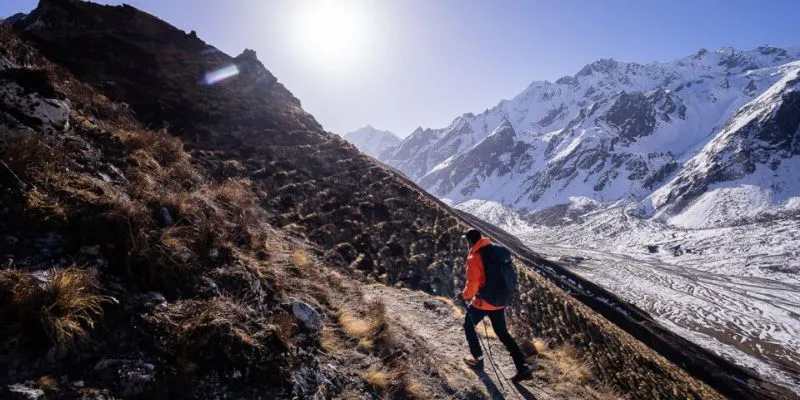
  • Epic Sunrise Views Wake up early in Langtang Valley and watch the sun hit Langtang Lirung (7,227 m) right in front of you. The peak lights up gold, glaciers sparkling,views you’ll never forget.
  • Wildlife Spotting Keep your eyes open for red pandas in the trees, Himalayan tahrs on the cliffs, or maybe even a glimpse of a snow leopard track if you’re lucky. The national park is full of surprises.
  • Tamang Hospitality Stop in villages for butter tea poured from a thermos by locals who’ve lived here forever. Elders might show you how they spin wool or turn prayer wheels,simple, genuine moments.
  • Yak Cheese in Kyanjin Gompa Visit the little cheese factory at Kyanjin Gompa. Watch them make fresh yak cheese the old way, then try a piece,creamy, slightly tangy, and the perfect energy hit after walking all day.
  • Rhododendron Forests Walk through thick pine and rhododendron woods. In spring the whole trail turns bright pink with huge blooming bushes,feels like stepping into a different world.
  • Great Photo Spots Our guides know the best side trails and viewpoints,think glacial lakes mirroring the peaks, prayer flags glowing at sunrise, or quiet corners most people miss.
  • Old Monasteries Step inside ancient gompas with flickering butter lamps and monks chanting. The walls are covered in old murals and the atmosphere is calm and powerful.
  • Mountain Food Warm up with salty butter tea, fresh momos straight from the steam, and endless plates of dal bhat. Simple, filling, and exactly what you need after a long day.
  • Classic Trail Moments Cross wobbly suspension bridges over rushing rivers, pass hidden waterfalls, or walk through meadows with yaks grazing. Every bend brings something new.
  • Teahouse Evenings End the day in family-run lodges where everyone eats together around the stove. Swap stories with other trekkers, play cards with local kids, and feel like part of the place.
  • Guides Who Really Care Our local guides grew up on these trails. They’ll show you edible plants, teach you a few Tamang words, share funny stories, and make sure you see the real Langtang,not just the postcard version.


Included and Excluded

Included :

  • Accommodation in a tea house or lodge during the trek
  • All the arrival and departure airport transfers.
  • Hotel in Kathmandu 3 star with Breakfast
  • Meals (Breakfast, Lunch, and Dinner) during the trek
  • One experienced male English-speaking guide with his allowance
  • There is one porter for every two trekkers.
  • All forms of government taxes.

Excluded :

  • During the trek, all personal expenses such as travel insurance, beverages, phone calls, internet, bar bills, laundry, water, travel insurance, and heater were incurred.
  • Tips for the Guide Porter ( Recommended)
  • Helicopter rescue in case of an emergency.
  • Personal trekking gear.
  • All expenses incurred as a result of a change in itinerary due to political unrest, a strike, or a lockdown landslide.
  • All the lunches and dinners in Kathmandu.

Route Map

trip route map for Langtang Valley Trek

Frequently Asked Questions

Traveler Reviews

Verified customer feedback

How was your experience with us?

★ ★ ★ ★ ★

Related Packages

You May Also Love And Like
pacakge-image
Trekking
5 (0 reviews)
11 Days
10 pax
$821 /person