The Jomsom Muktinath Trek is one of Nepal’s most meaningful and visually striking Himalayan journeys, blending dramatic mountain landscapes with deep spiritual significance and rich cultural heritage. Popular with both trekkers and pilgrims, this trek offers a rare combination of natural beauty, accessibility, and sacred tradition. It attracts travelers who want a rewarding mountain experience without committing to long, strenuous expeditions, making it one of the most sought-after treks in the Annapurna region.
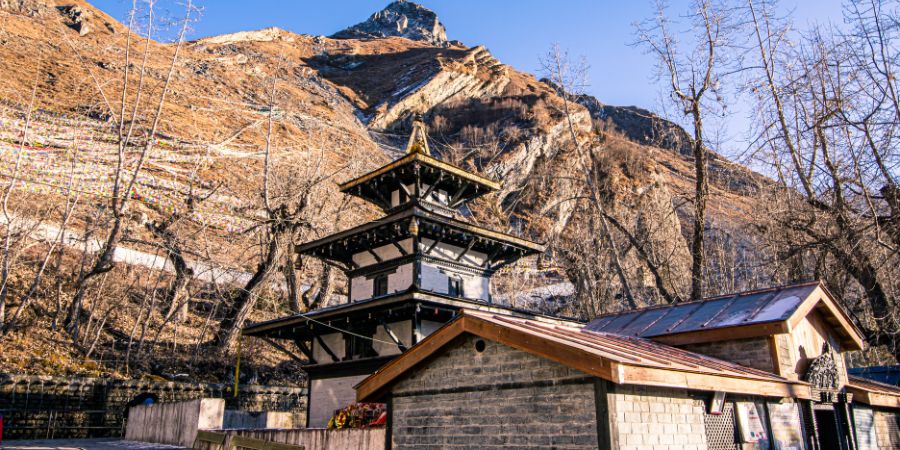
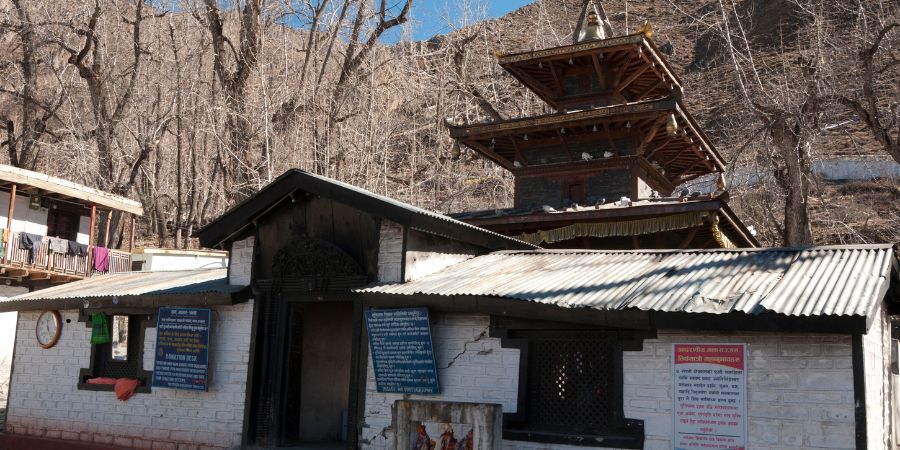
At the heart of the trek lies Muktinath, one of the most sacred pilgrimage sites in Nepal and a place of immense importance for both Hindus and Buddhists. For Hindu devotees, Muktinath is revered as the temple of Lord Vishnu and is considered one of the 108 Divya Desams, the holiest shrines of Vaishnavism. Buddhists regard the area as a sacred site associated with Guru Rinpoche, believing it to be a place where the elements of earth, water, fire, air, and space come together. This spiritual harmony draws thousands of pilgrims every year from Nepal, India, and around the world.
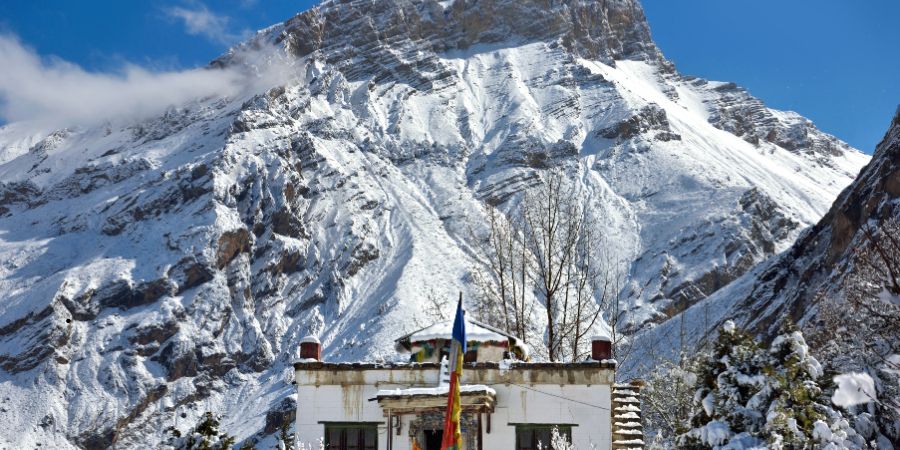
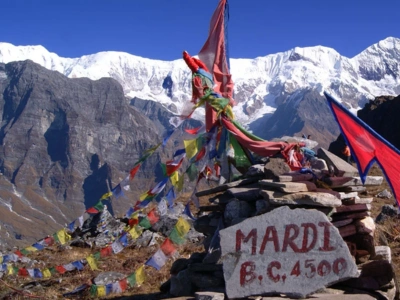
Beyond its religious importance, the Jomsom Muktinath Trek is celebrated for its incredibly diverse landscapes. In a short span of time, travelers witness a striking transition from lush river valleys to dry, wind-sculpted terrain that feels almost desert-like. Snow-covered peaks such as Dhaulagiri, Nilgiri, and Annapurna dominate the skyline, offering breathtaking views that constantly change with the light and weather. The scenery feels raw and powerful, giving trekkers a strong sense of being in a high Himalayan environment without extreme technical difficulty.
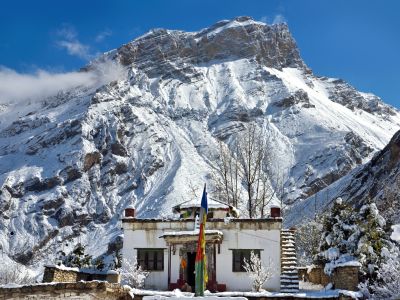
One of the most distinctive aspects of this trek is its cultural richness. The region is home to communities influenced by Tibetan Buddhism, particularly the Thakali and Tibetan-origin populations. Their traditional houses, prayer flags, monasteries, and centuries-old customs provide a deep cultural experience that goes far beyond scenery alone. Local hospitality is warm and genuine, and visitors often gain insight into mountain life shaped by trade, religion, and resilience in a harsh landscape.
The trek is also known for its relatively comfortable infrastructure compared to more remote Himalayan adventures. Well-established teahouses and lodges provide basic yet cozy accommodation and meals, allowing trekkers to focus on the experience rather than logistics. This makes the journey suitable for a wide range of travelers, including beginners, families, older trekkers, and those who prefer a moderate level of physical challenge.
Another reason the Jomsom Muktinath Trek remains so popular is its flexibility. It can be completed within a shorter timeframe than many classic Himalayan treks, making it ideal for travelers with limited holiday time. Despite its shorter duration, the trek still delivers a full Himalayan experience with altitude, mountain views, cultural encounters, and spiritual depth. This balance has made it a favorite choice for both first-time visitors to Nepal and repeat trekkers looking for something meaningful yet manageable.
The climate and seasonal variety add another layer of appeal. Spring brings blooming vegetation and clear mountain views, while autumn offers crisp air, stable weather, and excellent visibility. Even during times when other regions may experience heavier rainfall, this area often remains relatively dry due to its location in a rain-shadow zone. This makes the trek a reliable option for travelers planning their visit around Nepal’s main trekking seasons.
From a spiritual perspective, many travelers describe the journey to Muktinath as transformative. The atmosphere around the temple is peaceful yet powerful, filled with prayer chants, spinning prayer wheels, and pilgrims performing rituals that have been practiced for centuries. Whether one visits for religious reasons or personal reflection, the experience often leaves a lasting impression. The sense of devotion combined with the vast Himalayan backdrop creates a moment that feels both grounding and uplifting.
Food is another subtle highlight of the trek. The region is especially known for traditional Thakali cuisine, which is simple, nutritious, and well suited for high-altitude travel. Meals are often prepared with locally sourced ingredients and reflect a balance of flavors influenced by both Nepali and Tibetan traditions. Sharing meals in mountain lodges becomes part of the overall cultural experience rather than just a necessity.
In terms of physical demand, the Jomsom Muktinath Trek is generally considered moderate. While altitude is a factor and proper acclimatization is important, the trek does not require advanced technical skills or prior mountaineering experience. This accessibility has contributed to its reputation as one of the best treks in Nepal for those seeking a rewarding Himalayan journey without extreme hardship.
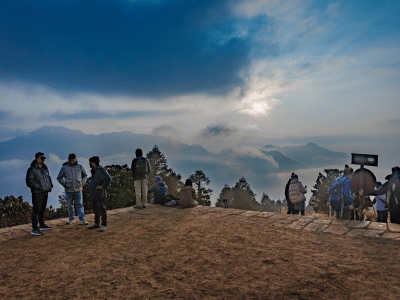
Photography enthusiasts also find this trek especially appealing. The contrast between rugged landscapes, colorful prayer flags, ancient monasteries, and towering snow peaks creates endless visual opportunities. Sunrises and sunsets paint the mountains in shades of gold, pink, and deep blue, offering moments that feel almost unreal. The region’s open terrain and dramatic skies add to its photographic charm.
Overall, the Jomsom Muktinath Trek stands out as a journey that goes beyond physical trekking. It is an experience shaped by faith, culture, history, and nature working together. Whether you are drawn by the sacred significance of Muktinath, the striking Himalayan scenery, or the desire for a culturally rich adventure, this trek offers something deeply fulfilling.
For travelers looking for a meaningful Himalayan trek that combines spirituality, stunning mountain views, cultural immersion, and manageable effort, the Jomsom Muktinath Trek remains one of Nepal’s most timeless and rewarding choices.