Thamel, Bhagwati Marg, Kathmandu

Rafting Trip to Bhote Koshi

From: $95 /Person
Kathmandu
(0 Reviews)
Best Price

US$ 90.25

Duration

1 Days

Destination

Kathmandu

Seson

Oct - Dec | Feb - April

Difficulty Level

Medium

Max Altitude

1400 m

Activity

Rafting

Transportation

Car | Jeep | Hiace

Itinerary

Time
1
Max Altitude
1400

Morning

  • 6:30 AM - 7:00 AM: Pick-Up from Hotel Your guide shows up right at your hotel door in Kathmandu, usually in Thamel or wherever you're staying. Quick chat over tea or coffee if you want, going over the basics: what to expect on the river, how the group works together, and any last-minute questions. They check you're geared up mentally for the day. Load your day bag into the van or bus, say goodbye to the city for a bit, and roll out.
  • 7:00 AM - 10:00 AM: Drive to Bhote Koshi The drive heads northeast along the Araniko Highway toward the Tibet border area. It's about 3 hours total, give or take traffic or stops. You pass through small towns, terraced fields climbing the hills, and villages where people are out working or kids wave from the roadside. The road follows the river for stretches, so you start getting glimpses of the water rushing below. Views open up to green valleys, steep cliffs, and if the weather's clear, some distant snow peaks. A quick tea/coffee break halfway (maybe at a spot like Keraghaari) lets you stretch legs and grab a snack if you're hungry. By the end, you're at the put-in point, river right there waiting.

Mid-Morning

  • 10:00 AM - 10:30 AM: Safety Briefing and Preparation Pull up to the riverbank, unload the gear, and gather around. Your Nepali guide walks everyone through the full safety rundown: paddle strokes (forward, back, high side), commands like "all forward," "stop," "get down," what to do if you swim (feet up, float position, no standing in shallow water), and how to stay with the boat if it flips. They fit you with the works: snug life jacket (PFD), helmet that actually stays on, paddle sized right for you. Wetsuits or splash jackets if it's chilly season. Quick practice on land if anyone's new, then you're set.
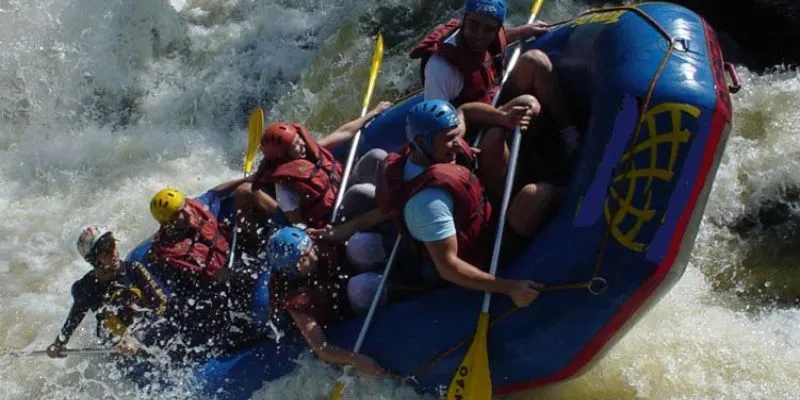
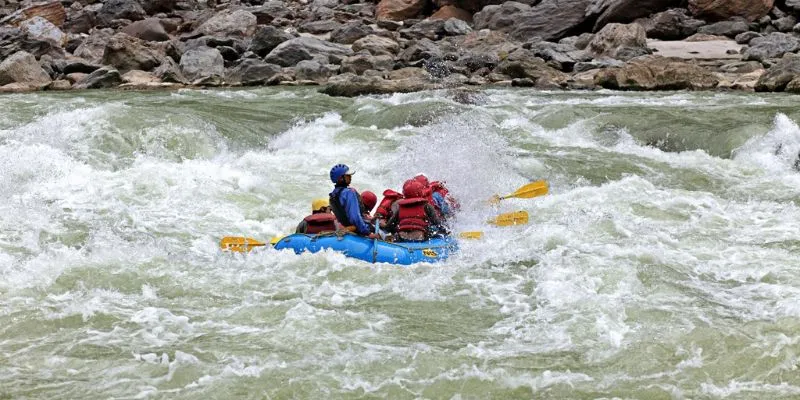
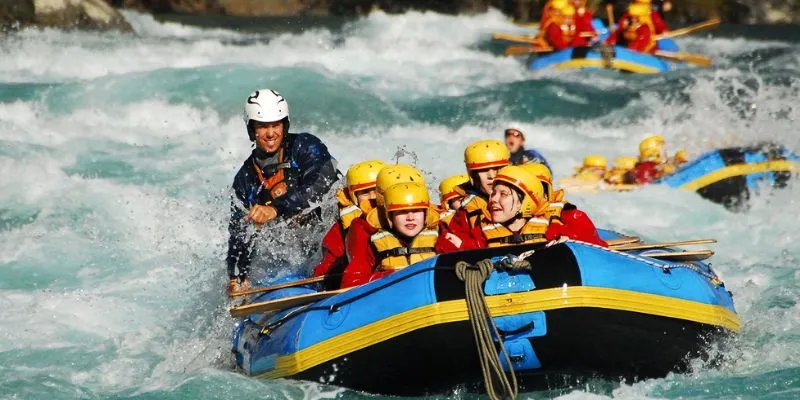
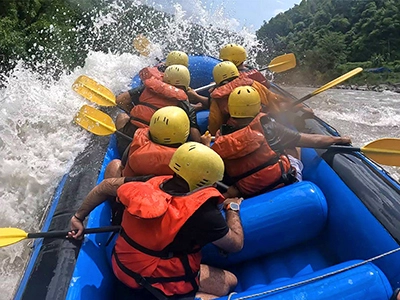
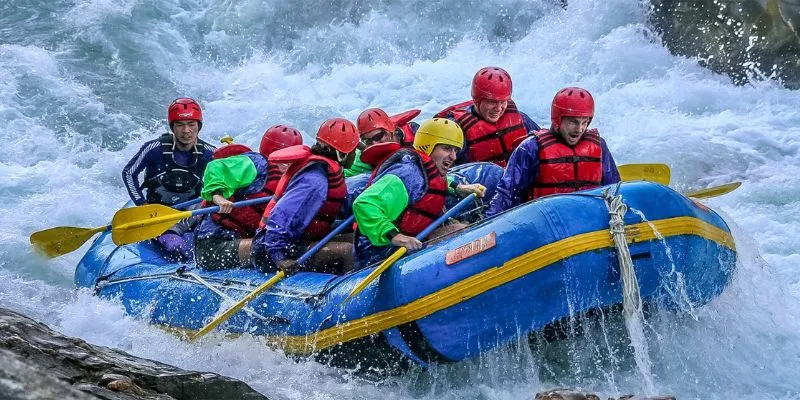
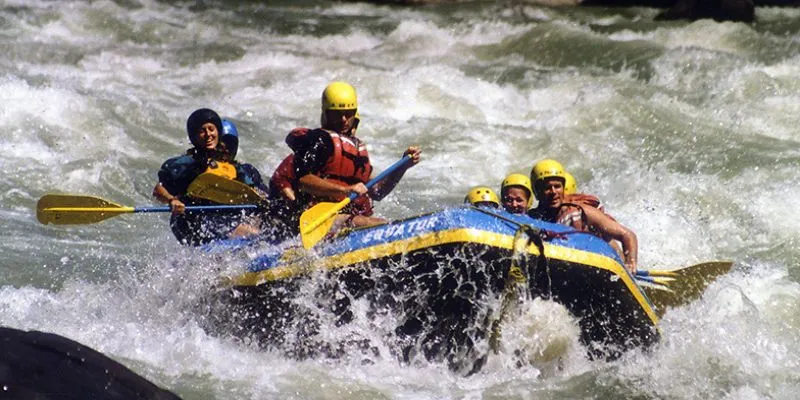
  • 10:30 AM - 1:30 PM: Rafting Experience Time to hit the water. You launch into the Bhote Koshi, one of Nepal's steepest runnable rivers with a solid drop that keeps things moving. Expect nonstop class 3 and 4 rapids, technical in spots with big waves, holes, and drops that keep you focused and yelling. Rapids come one after another, like Gerbil in the Plumbing, Frog in a Blender, or long bouncy stretches that feel like riding a dragon. The canyon walls close in, waterfalls spill from the sides, lush green everywhere, and you paddle past boulders and tight turns. Guides call lines, scout if needed, and flip the boat around for fun swims or calmer pools. It's intense but doable with good teamwork. About 3 hours of pure whitewater action, soaking wet, laughing when someone gets launched.

Afternoon

  • 1:30 PM - 2:00 PM: Lunch Break Pull over at a nice riverbank spot, usually sandy or grassy with views. Guides set up a simple but filling lunch: dal bhat, veggies, rice, maybe some chicken or veg curry, plus fruit and water. Sit back, dry off a little in the sun, swap stories about the morning's big hits, and recharge. The river keeps rushing nearby, reminding you what's next.
  • 2:00 PM - 3:30 PM: Continue Rafting Back on the rafts for the second half. More rapids, maybe some bigger ones toward the lower section, mixed with calmer floats through gorges where you can relax a bit and take in the scenery: suspension bridges overhead, villages tucked against the hills, farmers on terraces. Guides might let you swim in clear pools or play around with splash fights. You work your way down to the take-out, feeling that tired-but-pumped buzz from the full run.

Evening

  • 3:30 PM - 4:00 PM: Wrap-Up and Return Land at the take-out (usually around Dolalghat or Sukute), haul the boats out, and change into dry clothes from your bag. Guides hand out certificates if your operator does that, plus photos if they snapped any. Quick group photo, high-fives, and load up for the ride back.
  • 4:00 PM - 7:00 PM: Drive Back to Kathmandu Same road in reverse, but now you're wiped and happy. Traffic might slow things a bit, but you get to watch the light change over the hills and villages. Arrive back in the city around 7 PM, dropped at your hotel or the office.
  • 7:00 PM - Onwards: Free Time Crash at the hotel for a hot shower, or head out if you've still got energy. Grab momos or Newari food somewhere in Thamel, hit a bar for a drink, wander the markets, or just chill with the crew from the trip. You've earned it after a full day of river chaos.


Overview

The 1-day Bhote Koshi rafting trip stands out as one of the quickest ways to get a real dose of whitewater adventure right out of Kathmandu. This river, flowing down from the Tibet border area, drops fast through steep sections packed with class 3 to 4 (and sometimes pushing 4+) rapids. It's technical, bouncy, and relentless in places, which makes it feel more intense than many other nearby options like the Trishuli.

 The whole thing fits into a single day: early pickup from your hotel around 6 or 7 AM, a scenic 3-hour drive along the Araniko Highway with views of hills and villages, then straight onto the water for 3 to 4 hours of paddling before heading back to the city by evening. You cover about 16 km from spots like Lamosangu or Baseri down to Dolalghat, hitting nonstop action without needing overnight gear or extra time away.

Why pick Bhote Koshi over other rivers in Nepal?

 First off, it's super accessible if you're short on days but still want serious thrills. Many people call it Nepal's most exciting short run because of that steep gradient and continuous rapids that keep you engaged the entire time. The scenery adds a lot too: narrow gorges with high cliffs, waterfalls tumbling in from the sides, thick green forests, and terraced fields climbing the hills. 

You'll spot local life along the banks, like farmers working plots, kids waving from suspension bridges, or small villages tucked against the river. It's not just about getting wet and yelling through waves; the backdrop makes it memorable. Plus, the guides are usually local Nepali guys who know every rock and current like the back of their hand. They keep safety tight while adding humor to lighten the mood when things get splashy. If you're traveling solo, with friends, or even as a family looking for something exciting, it works well because guides adjust based on the group's experience. Beginners get extra coaching, while stronger paddlers can push harder lines.

The best seasons line up with Nepal's classic dry periods: spring (March to May) and autumn (September to December, peaking October to November). In these months the weather stays comfortable, usually warm during the day without being too hot, and the water levels hit a sweet spot for consistent rapids without getting dangerously high. Autumn brings clear skies, crisp air, and those classic Himalayan views on the drive up, plus post-monsoon water that's clean and powerful but manageable. Spring offers similar conditions with blooming greenery and milder flows early on.

 Avoid the full monsoon (June to August) unless you're very experienced, as the river turns huge and fast with debris risks. Winter (December to February) works for calmer runs with gentler waves and fewer crowds, but it gets chilly on the water, so layers matter more. Overall, aim for October-November or March-April if you want the ideal mix of good weather, solid rapids, and fewer surprises.

Preparation doesn't need to be complicated since it's a day trip and operators provide most of the essentials. They supply quality gear: helmet, life jacket (PFD), paddle, and usually a wetsuit or splash jacket if the water's cold. Focus on what you bring yourself to stay comfortable.

Wear quick-dry synthetic clothes like a rash guard or T-shirt and shorts for on the river. Skip cotton since it stays soggy and cold. River sandals or old sneakers that can get wet work best for foot protection; no flip-flops since they slip off easily. Bring a change of dry clothes for after, including warm layers like a fleece or jacket for the ride back, especially if it's early morning or late season. A waterproof bag or dry sack helps keep your phone, camera, or wallet safe (many operators provide small ones, but check). Sunscreen is key because you're out in the open reflecting off the water, plus sunglasses with a strap, a hat that ties on, and lip balm. 

Pack a reusable water bottle, snacks if you get hungry between meals (lunch is usually included, like a riverside stop with dal bhat or sandwiches), and any personal meds. If you wear contacts, consider glasses as backup since water can rinse them out. Physically, you don't need to be an athlete, but basic fitness helps with paddling strokes over hours.

 A quick jog or some arm work in the days before makes it easier. Listen during the safety briefing; it covers commands, what to do if you fall in (swim position, feet up), and how to stay with the group.

On the day itself, expect an early start but a rewarding finish. You'll feel the rush of conquering those drops, the laughs from getting soaked with your boatmates, and that tired-but-happy vibe on the drive home. It's a solid way to break up a Kathmandu trip with real adventure without committing to multi-day logistics. Many people say it's the perfect intro to Nepal's whitewater scene or a quick hit for repeat visitors. If you're in the city and craving something active, this one delivers big.
Highlights

  • Quick thrill ride from Kathmandu: Just a 3-hour drive to the put-in, then straight into nonstop class 3 and 4 rapids that keep you pumped the whole way down.
  • Steep and wild river action: This is one of Nepal's fastest-flowing rivers with a serious gradient,expect big bounces, technical drops, and waves that hit hard and fast.
  • Narrow gorges and epic scenery: Paddle through tight canyons with high cliffs, hanging waterfalls, lush green walls, and occasional mountain glimpses overhead.
  • Local guides who own the river: Experienced Nepali guides read every rapid like a book, handle safety smoothly, and crack jokes to keep the boat laughing even when it's chaotic.
  • Solid gear and no-worries briefing: Full kit of helmets, life jackets, and paddles plus a clear safety talk upfront so you can just focus on paddling and having fun.
  • Swim spots and splash fights: Hit calmer pools for jumps into the chilly Himalayan water, plus plenty of chances to soak your mates during lighter sections.
  • Real Nepal riverside views: Float past terraced fields, small villages, suspension bridges, kids waving from the banks, and farmers working right by the water.
  • Suits beginners to pros: Guides scale it to your group's level,plenty of coaching for first-timers, or push harder if you're experienced and want the challenge.
  • Perfect day-trip format: Early start, full morning/afternoon on the water, then back to Kathmandu by evening,ideal if you're short on time but craving big adventure.
  • Memories and bragging rights: Get drenched, conquer rapids like the wild ones in the lower section, bond with your crew, and leave with stories of Nepal's most intense one-day whitewater run.


Included and Excluded

Included :

  • Vehicle transfer from Kathmandu – Sukute Beach – Kathmandu.

Excluded :

  • Travel, cancellation, accident, health, emergency evacuation, loss, theft, or damage to bags and personal belongings are all covered by insurance. It is recommended that you ensure it.

Route Map

trip route map for Rafting Trip to Bhote Koshi

Frequently Asked Questions

Traveler Reviews

Verified customer feedback

How was your experience with us?

★ ★ ★ ★ ★

Related Packages

You May Also Love And Like
pacakge-image
Expedition
5 (0 reviews)
1 Days
10 pax
$95 /person
pacakge-image
Cultural & Pilgrimage Tours
5 (0 reviews)
5 Days
20 pax
$750 /person