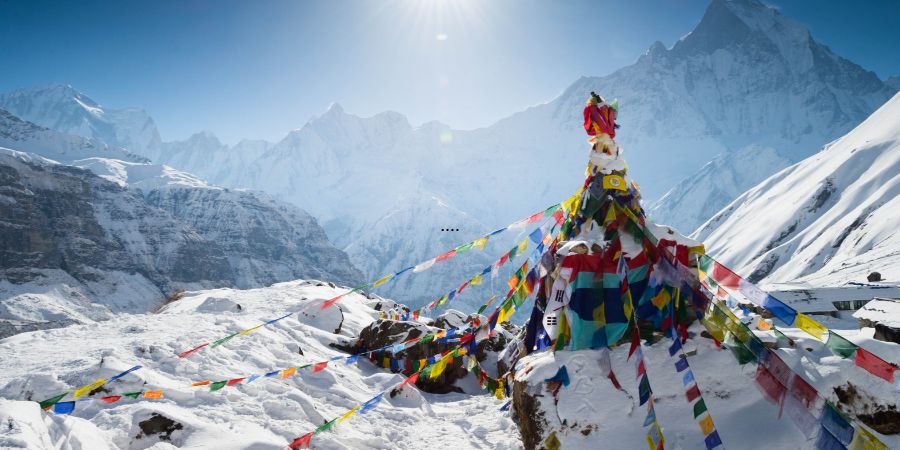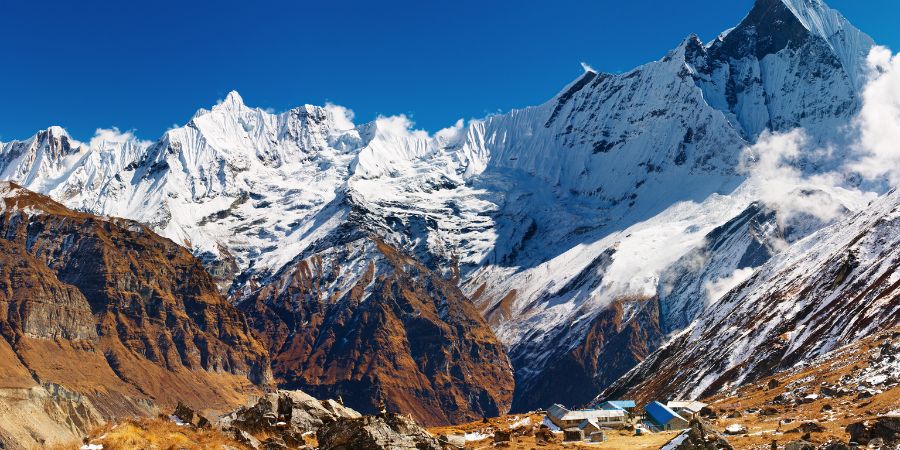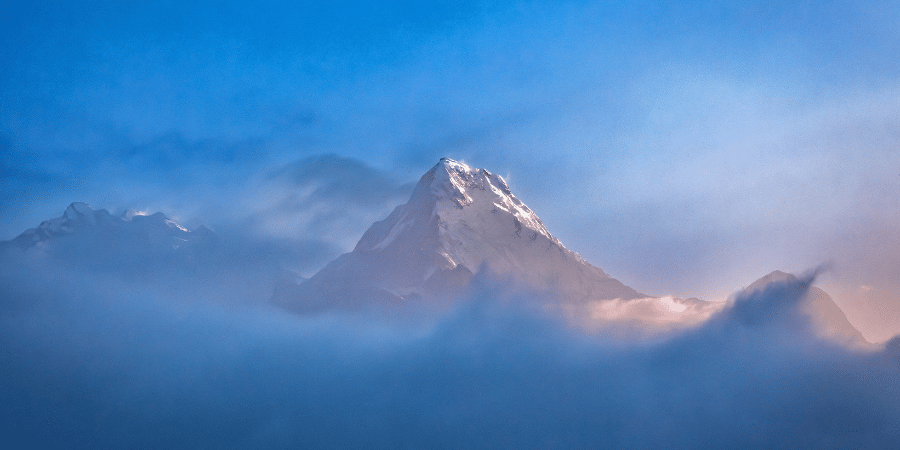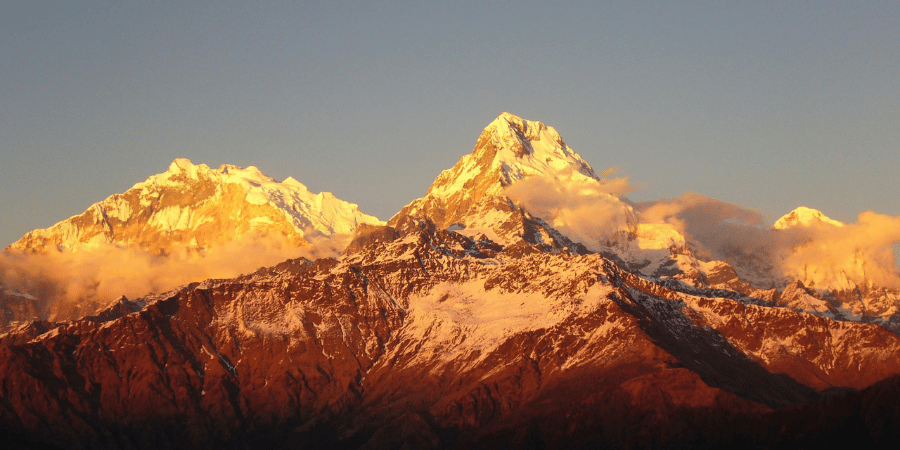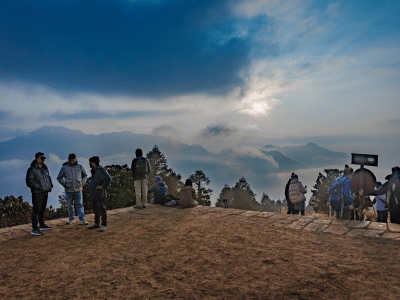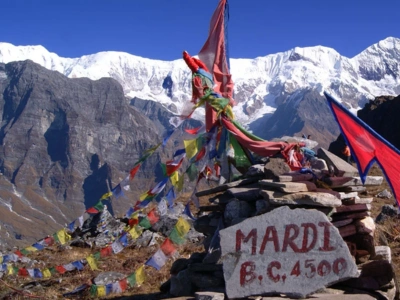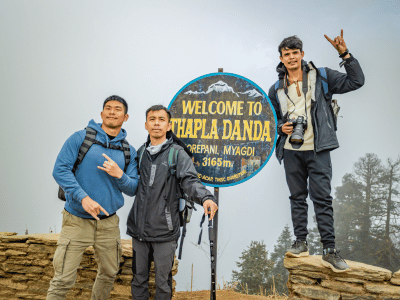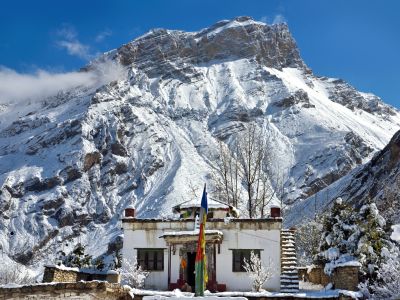
The Annapurna Circuit Trek stands out as one of Nepal's true classics, circling the entire Annapurna massif through some of the most varied landscapes you'll find anywhere in the Himalayas. You loop around towering peaks like Annapurna I, Dhaulagiri, and Machhapuchhre, starting low in the subtropical valleys near Besisahar or Bhulbhule, climbing through thick forests and terraced fields, crossing the dramatic Thorong La Pass at 5,416 meters, then dropping down the other side into drier, almost desert-like country before linking back toward Pokhara. The full route covers roughly 160 to 230 kilometers depending on side trips or shortcuts, with a massive elevation range from about 800 meters up to the pass and back down.
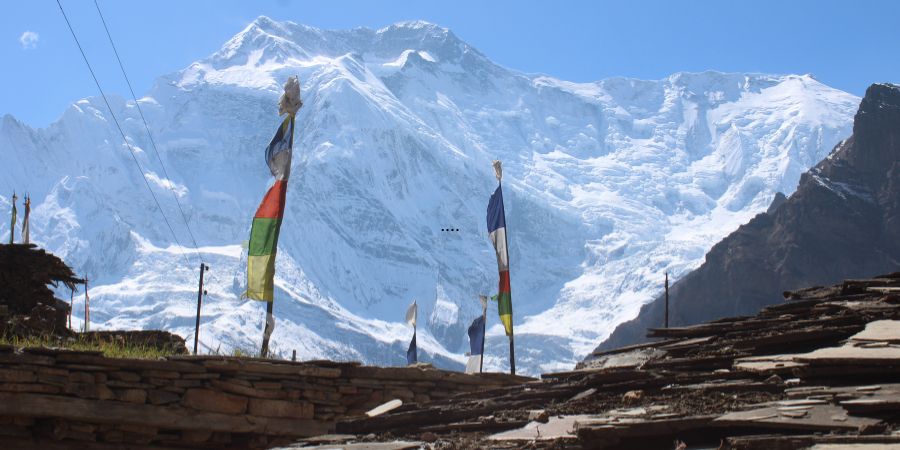
The trail takes you through everything: lush rhododendron and bamboo forests dripping with mist lower down, Gurung and Magar villages with stone houses and smiling locals, then up into pine woods and open alpine meadows. Cross the world's deepest gorge along the Kali Gandaki, where cliffs tower overhead and wind whips through the narrow gap. Higher up it turns arid, Tibetan-influenced with flat-roofed houses, prayer flags snapping, and yak herds clanging bells. You pass ancient monasteries like Muktinath, hot springs in Tatopani for soaking sore legs, apple orchards around Marpha where fresh pie tastes like the best thing ever after days of dal bhat. The mountain views keep building, glimpses early on turning into full-on panoramas of snow giants that dominate the sky.
It's a moderate-to-strenuous trek, long days of steady walking, some steep sections, and real altitude to respect around the pass. Teahouses line the route with basic rooms, shared bathrooms, hearty meals, and stoves to warm up around in the evenings. The cultural mix stands out too: Hindu temples lower down, Buddhist gompas higher up, locals from different ethnic groups sharing stories over tea. Wildlife chances include monkeys in forests, colorful birds, maybe blue sheep or tahr on ridges. Roads have crept in on parts of the lower sections, shortening some walks or changing the feel in spots, but the core high route still feels remote and wild.
Why Choose the Annapurna Circuit Trek
Plenty of Nepal treks offer big mountains, but the Circuit packs in more variety than most. You get subtropical jungles to high desert in one loop, crossing a 5,400-meter pass without needing ropes or technical skills. The views rival Everest or Annapurna Base Camp but with fewer crowds on the upper stretches, genuine village life, and that sense of completing a full circle around some of the world's highest peaks. It's culturally rich, blending Hindu and Buddhist worlds, plus affordable compared to Everest with solid teahouse support. If you want a trek that feels like a complete Himalayan journey, changing every day without being overwhelmingly long or extreme, this one delivers.
Packing List for the Annapurna Circuit Trek
Pack light since porters or your back carry it all. Layers rule: quick-dry base layers, trekking shirts and pants, fleece mid-layer, waterproof jacket and pants for rain or wind. Down jacket for cold nights over 3,000 meters. Sturdy boots with ankle support, extra wool socks. Sleeping bag rated to minus 10 Celsius, teahouse blankets vary. Trekking poles for steep descents and stability. Headlamp, UV sunglasses, warm hat, gloves, buff.
Health kit: blister plasters, Diamox for altitude if prone, painkillers, personal meds, water purification tablets or filter. Snacks like energy bars, nuts for energy. Power bank for limited charging, cash in small notes, passport copy. Documents: ACAP permit (around $30, mandatory), any other fees if needed. Keep daypack 6-8 kg, main bag light.
Best Time to Trek the Annapurna Circuit
Spring (March to May) and autumn (September to November) are the prime windows. Autumn gives stable dry weather, clear skies, mild days lower down, sharp views of peaks, October often ideal with festivals in the air. Spring warms up, rhododendrons bloom thick turning forests pink, wildlife more active, though afternoons can cloud. Both seasons keep trails reliable and visibility excellent.
Skip monsoon (June-August) with heavy rain, landslides, leeches, obscured views. Winter (December-February) brings snow on the pass, freezing temps, some teahouses closed, tough for most. October or April usually hit the sweet spot, book ahead as it's popular.
Preparation Tips for the Annapurna Circuit Trek
Train 2-3 months out: hike hills or stairs with pack, build cardio, strengthen legs. Acclimatize gradually, slow pace uphill, rest days help, watch for altitude signs and descend if needed. Hydrate 4 liters daily, eat carbs. Get insurance with high-altitude evacuation. Arrange ACAP permit through agency or in Pokhara/Kathmandu, guide optional but useful. Pre-trek checkup, vaccinations. Respect customs, ask before photos in villages. With solid prep, the Circuit becomes that epic trek you remember for the variety, the pass sunrise, and the quiet villages along the way.