Thamel, Bhagwati Marg, Kathmandu

Everest Base Camp Trek

From: $1390 /Person
Nepal
(0 Reviews)
Best Price

US$ 1320.5

Duration

16 Days

Destination

Nepal

Best Season

Mar-May & Sep-Nov-Dec

Difficulty Level

Challenging

Max Altitude

5,364m

Activity

Trekking

Transportation

Car | Jeep | Flights

Itinerary

Time
Whole Day
Max Altitude
1,400 m
  • Airport Welcome & Transfer When your flight touches down at Kathmandu’s Tribhuvan Airport, our office rep will be waiting right outside arrivals with a sign that has your name on it. They’ll grab your bags, get you through the chaos of the airport, and hop in the car for the drive to your hotel. It usually takes about 45 minutes, depending on how bad the traffic is, but you’ll get your first real feel for the city, narrow streets, honking scooters, street vendors calling out, temples popping up everywhere.
  • Check-in & Settle Down Your hotel is in a good spot, probably around Thamel or nearby, so once you drop your stuff you can freshen up after the long flight. Take it easy for a bit, maybe grab a coffee or just sit and let the jet lag fade.
  • Trekking Orientation Later in the afternoon or early evening your guide will swing by the hotel for a quick sit-down. It’s nothing formal, just a relaxed chat about the Everest Base Camp trek ahead. They’ll go over the daily plan, what the teahouses are like, what meals look like on the trail, what’s included and what’s not, permit stuff, how to handle altitude, and anything else you want to know. Feel free to ask whatever’s on your mind, your guide’s done this route loads of times and wants you to feel totally ready.
  • Evening in Thamel After the briefing the night’s yours. Thamel’s right there, full of little trekking shops where you can wander in and grab anything you forgot, like extra batteries, a buff, some snacks, or even rent a sleeping bag if needed. Grab dinner at one of the spots around, maybe some momos or dal bhat to ease into Nepali food, or just a pizza if you’re craving something familiar. It’s lively out there, music playing, people everywhere, good energy to get excited about the trek.
  • Overnight Crash at the hotel in Kathmandu, nice bed, hot shower, maybe Wi-Fi to send a quick message home. Get some solid sleep, tomorrow we head to Lukla and the mountains start for real.


Time
6 hrs
Max Altitude
2,860 m
  • Early Morning to the Domestic Airport We get up early, grab a quick bite at the hotel if you’re hungry, and hop in the car for the short 30-minute drive to Kathmandu’s domestic terminal. Traffic can be unpredictable in the morning, so we leave with plenty of time. The airport’s a bit chaotic but your guide will handle check-in, get your bags sorted, and make sure everything’s smooth for the flight.
  • Flight to Lukla The 35-minute flight to Lukla is one of the most exciting parts of the whole trip. It’s a small twin-engine plane that takes off from the short runway, climbs fast, and flies right along the Himalaya. On a clear day you get jaw-dropping views of snow peaks out the window, Annapurna, Langtang, maybe even a glimpse of Everest itself if you’re lucky. Landing at Lukla’s famous sloped runway feels like an adventure all on its own, short and steep, but the pilots do it every day like it’s nothing.
  • Arrival & Breakfast in Lukla Once we touch down at around 2,860 meters, we collect our bags and walk the short distance to a teahouse in town. Lukla’s busy with trekkers coming and going, prayer flags everywhere, yaks blocking the path sometimes, that real mountain-village energy. We sit down for a proper breakfast, usually eggs, toast, porridge, or chapati with jam, plus hot tea or coffee to warm up. It’s a nice chance to stretch your legs after the flight and get used to the thinner air before starting the walk.
  • Trek to Phakding After eating we hit the trail, heading downhill from Lukla at first, which feels easy on the legs. The path follows the Dudh Koshi River most of the way, crossing it a couple of times on long, swinging suspension bridges that bounce a little under your feet. You’ll pass through nice pine and hemlock forests, green and shady, with the sound of the river rushing below and occasional waterfalls tumbling down the cliffs. The trail’s well-worn, some stone steps, some flat sections, and you get your first real taste of Sherpa villages along the way, small houses with slate roofs, mani walls, and locals carrying loads with head straps. It’s mostly gentle descending overall, about 5 to 6 hours with breaks, and the altitude drop to 2,610 meters in Phakding actually helps ease you into things.
  • Arrival in Phakding We reach Phakding by mid to late afternoon, a pretty riverside spot with teahouses lined up along the trail. The river roars right nearby, mountains rising all around, and it feels like the real trek has begun. Check into the teahouse, drop your bags in the room (twin beds, shared bathroom, basic but clean), and relax on the terrace with a hot drink while watching other groups come in.
  • Evening in Phakding Use the late afternoon to wander a bit, maybe stretch your legs along the river or visit a small shop for snacks. Dinner’s usually in the teahouse dining room, dal bhat with veggies, maybe some momos or soup, eaten together with your guide and the group. It’s cozy with the stove going, good spot to chat about the day and get excited for tomorrow’s walk toward Namche.
  • Overnight Stay at the teahouse in Phakding, warm blankets, early night since we start gaining altitude properly tomorrow. Sleep well, the mountain rhythm is kicking in.


Time
5 - 6 hrs
Max Altitude
3,440 m
  • Morning Breakfast in Phakding We start the day with a solid breakfast at the teahouse, usually eggs any way you like, toast with jam or honey, maybe some porridge or chapati, plus plenty of hot tea or coffee to warm up. It’s a good fuel-up because today we start gaining real altitude, heading up to Namche at 3,440 meters.
  • The Trail to Namche Right after eating we hit the path, crossing the Dudh Koshi River on one of those classic long suspension bridges that sway a bit when groups cross together. The views down to the rushing milky water are awesome, and you’ll feel the excitement building. From there the trail climbs steadily through nice pine forests first, then into rhododendron sections, thick green leaves and twisted branches overhead. Fun fact, rhododendron is Nepal’s national flower, and in spring the whole area turns pink and red with blooms, though even without flowers the forest feels alive and peaceful. It’s about 5 to 6 hours total with breaks, a mix of stone steps going up, some flatter bits along the river, and a few more bridges to cross.
  • Passing Through Sherpa Villages We walk through a couple of proper Sherpa villages along the way, first Monjo, then Jorsale. These spots give you a real window into local life, stone houses with colorful prayer flags, kids running around, locals carrying heavy loads with head straps like it’s nothing, small shops selling Snickers and water. In Jorsale we usually stop for a quick tea or snack at a teahouse overlooking the river, check permits at the checkpoint if needed, and just soak in the vibe before the final push up to Namche.
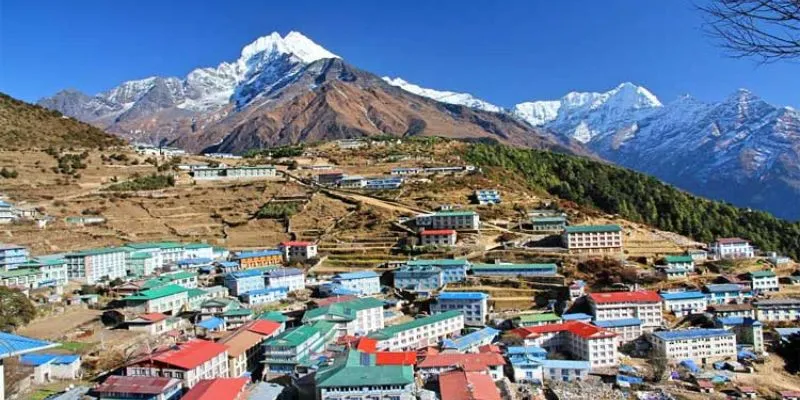
  • The Climb into Namche After Jorsale the trail gets steeper for the last hour or so, a series of switchbacks that feel tough but rewarding. You gain a bunch of height quick, and as you top out the trees thin and suddenly Namche Bazaar opens up below you, a busy bowl-shaped village built into the hillside with colorful roofs, gompas, bakeries, and that unmistakable buzz of trekkers and locals mixing. The first glimpse of the big peaks around it hits different too, especially if the weather’s clear.
  • Arrival in Namche We reach Namche by mid to late afternoon, drop the packs at the teahouse or lodge, and take a minute to catch our breath. Namche’s the main hub in the Khumbu, full of shops for gear, internet cafes, ATMs, and even a bakery with fresh cinnamon rolls if you’re craving something sweet. It’s a great spot to wander around, grab a hot shower if the lodge has one, and just enjoy being in the middle of everything.
  • Evening in Namche Dinner’s usually in the teahouse dining room, hearty dal bhat with extra veggies or maybe some Sherpa stew, eaten together while chatting about the day. Your guide will remind everyone to take it easy tonight, drink lots of water, and rest up since tomorrow’s an acclimatization day in Namche to help the body adjust before going higher.
  • Overnight Stay at a teahouse or lodge in Namche Bazaar, twin rooms with shared bathrooms, thick blankets because nights get chilly, and that lively mountain-town atmosphere right outside. Get a good sleep, the real Everest region is starting to feel close now.


Time
Whole Day
Max Altitude
3,440 m
  • Taking It Easy in Namche Today’s all about giving your body time to adjust to being at 3,440 meters. No big trek, no rushing around, just a relaxed day in Namche to help prevent any altitude issues down the line. Sleep in a little if you want, have a slow breakfast at the teahouse, maybe some pancakes or omelette with plenty of hot tea to start the day right. Drink lots of water, move slow, and listen to how you’re feeling, that’s the main job today.
  • Exploring Namche Bazaar Namche’s the perfect spot for this, it’s like the little capital of the Khumbu with everything right there. After breakfast wander the stone paths through the village, check out the shops selling everything from down jackets to Snickers bars, grab a coffee at one of the bakeries if you’re craving something sweet, or just sit on a bench and watch the world go by, porters hauling loads, trekkers coming in from below, locals chatting in Sherpa.
  • Visiting the Sherpa Museum & Tenzing Norgay Statue One of the best things to do is head to the small Sherpa Museum. It’s not huge but packed with cool stuff, old photos, traditional clothes, tools, explanations of Sherpa culture, their Buddhist traditions, festivals, and how they’ve lived in these mountains for generations. You’ll also see exhibits on famous climbers like Tenzing Norgay, who summited Everest with Hillary in 1953. Right nearby there’s the statue of Tenzing Norgay, great spot for a photo with the mountains in the background, and it’s a nice way to pay respect to the people who make these treks possible.
  • Other Spots Around Town If you’ve got energy, swing by the Healing Center where they do traditional Tibetan medicine and herbal treatments, interesting if you’re curious about local remedies. The Namche Library is another low-key place, small but cozy with books on the Himalaya, Everest history, and even some fiction for downtime. Up on the hill you can visit the Namche Monastery, a peaceful gompa with prayer wheels, murals, and usually a few monks around, quiet spot to spin a wheel or just sit and take in the views.
  • Afternoon Chill By midday or early afternoon head back to the teahouse for lunch, probably dal bhat or noodle soup to keep things hearty. Use the rest of the day however feels good, maybe hike a short way up to the Everest View Hotel trail for better mountain glimpses if you’re feeling strong (it’s a gentle acclimatization walk), or just hang out on the terrace with a book or chatting with other trekkers. The key is to stay active but not push too hard, your body’s doing the work behind the scenes.
  • Evening in Namche Dinner’s back at the teahouse, same warm dining room with the stove going, good food and stories from the day. Your guide will check in to see how everyone’s feeling with the altitude, maybe share some tips for the next few days. It’s a nice, social vibe up here, everyone swapping tips and excitement about what’s coming.
  • Overnight Another night at the teahouse or lodge in Namche Bazaar, same cozy room setup with blankets piled on, shared bathrooms, and that lively hum of the village outside. Rest up well tonight, tomorrow we head higher toward Tengboche and the mountains get even closer.


Time
5 - 6 hrs
Max Altitude
3,863 m
  • Breakfast & Heading Out We start with a good breakfast at the teahouse in Namche, probably some eggs, toast, maybe a bowl of muesli or tsampa porridge with hot tea to warm up. Fuel up well because today we climb higher and the views really start to open up. Once everyone’s ready, we lace up and hit the trail out of town, heading uphill right from the start.
  • The Trail to Tengboche The path climbs steadily out of Namche with some nice switchbacks that aren’t too punishing. Pretty soon the trees thin out and the big mountains come into full view, panoramic sweeps of Everest, Lhotse, Nuptse, and especially Ama Dablam stealing the show. That peak really is something else, sharp and elegant at 6,812 meters, often called one of the most beautiful mountains in the whole Everest region, and from the trail it looks close enough to reach out and touch on a clear day. You’ll pass long mani walls stacked with carved stones, prayer flags fluttering in the breeze, and the occasional chorten, all adding to that classic Khumbu feel.
  • Arrival in Tengboche After about 5 to 6 hours of walking, with a few short breaks for photos and water, we roll into Tengboche at 3,860 meters. It’s a small settlement perched on a ridge, famous for its massive monastery and those unbeatable 360-degree mountain views. The place feels peaceful and a bit exposed, wind blowing through, yaks grazing nearby, and Ama Dablam dominating the skyline right in front.
  • Exploring Tengboche Monastery Drop your packs at the teahouse, then head straight to the big Tibetan Buddhist monastery, the largest in the whole Khumbu region and the spiritual heart for the Sherpa community here. It’s a beautiful spot inside, colorful murals, butter lamps flickering, prayer wheels spinning, and usually some monks chanting or going about their day. If you’re lucky you might catch a short puja or just sit quietly soaking in the calm atmosphere. The monastery’s got a real sense of history, rebuilt after a fire years ago, and it’s a highlight for most people to see how deeply Buddhism is woven into life up here.
  • Short Hike Around the Area If you’ve still got some energy after the walk, take a slow stroll up the nearby trail behind the monastery. It’s gentle, just enough to stretch your legs, and gives even better angles on Ama Dablam, Lhotse, Nuptse, and the other giants surrounding us. The path winds between the peaks in the distance, air crisp and thin, perfect for a quiet moment to take it all in before heading back down.
  • Evening in Tengboche Settle into the teahouse or lodge, basic twin rooms with shared bathrooms and plenty of blankets since nights get cold fast at this altitude. Dinner’s the usual hearty stuff in the warm dining room, dal bhat with garlic soup to help with the thin air, maybe some Sherpa bread on the side. It’s a good spot to chat with the group, share photos from the day, and feel how close we’re getting to Everest territory.
  • Overnight Stay at a teahouse or lodge in Tengboche, cozy enough after the day’s trek, early night recommended to rest up for tomorrow’s push toward Dingboche or Pheriche. The mountain silence outside is pretty special.


Time
5 - 6 hrs
Max Altitude
4,360 m
  • After breakfast in the morning, we’ll start our trek to Dingboche (Alt. 4360m) with a wilderness trail. Dingboche is a high-altitude Sherpa Village in the Khumbu area. We’ll get to see many Chortens, Mani Walls, and Sherpa Village with stunning and spectacular views of Mt. Ama Dablam and other mountains.
  • On the way, we’ll see a farming field surrounded by stone to protect from yak and other animals found in this area. Mainly People grow Barley, Buckwheat, and potatoes in this area.
  • Overnight at Teahouse/Lodge at Dingboche after approx. 5/6hrs of Trek.
Time
Whole Day
Max Altitude
4,430 m
  • Waking Up in Dingboche We take it slow this morning after breakfast at the teahouse in Dingboche, around 4,410 meters. No rush to pack up or hit the trail hard, today’s all about letting your body catch up with the altitude. The air’s thinner here, so extra water, slow movements, and listening to how you feel are the name of the game. Have a relaxed breakfast, maybe some pancakes or omelette with plenty of hot tea to warm up from the chilly morning.
  • Why We Acclimatize Here Dingboche is the perfect spot for this rest day before we push higher. Tomorrow we’ll be heading toward places around 5,000 meters, like Lobuche or even a side trip toward Chhukung, so giving your body time to produce more red blood cells and adjust now makes a huge difference in avoiding headaches, tiredness, or worse. Most people feel the altitude more noticeably from here on, so today is key for keeping things smooth the rest of the way.
  • Exploring Around Dingboche The day’s yours to move around at your own pace. A lot of groups do a gentle acclimatization hike up the hill behind the village toward the Nangkartshang viewpoint, about 2 to 3 hours round trip with a nice 400-meter gain. It’s not too steep, just steady uphill on a dirt path, and the payoff is killer views looking back over Dingboche, down the valley toward Ama Dablam, and forward toward the peaks near Lobuche and Pheriche. If that feels like too much, just wander the village paths, check out the stone walls and yak pastures, or sit on a sunny rock with a book and watch the clouds roll over the mountains.
  • Afternoon Chill Time Back at the teahouse by midday or early afternoon for lunch, probably some noodle soup or dal bhat to keep the energy up. Use the rest of the day however feels best, maybe nap in the sun if it’s warm, chat with other trekkers in the dining room, play cards, or just hang out on the terrace soaking in the scenery. Dingboche has that quiet, high-valley feel, wind blowing through the prayer flags, yaks grazing, and those massive peaks all around keeping you company.
  • Evening Wind-Down Dinner’s hearty and early in the warm dining room, extra garlic soup or ginger tea if anyone’s feeling the altitude a bit. Your guide will check in with everyone, ask how you’re doing, share any tips for tomorrow, and make sure we’re all set for the next leg. It’s a cozy spot to talk about the trek so far, swap photos, and get mentally ready for the higher stuff coming up.
  • Overnight Another night at the teahouse in Dingboche, same basic twin room with thick blankets piled on since it gets really cold once the sun drops. Early to bed tonight, tomorrow we continue climbing, and a good rest makes all the difference at this height.


Time
5 - 6 hrs
Max Altitude
4,931 m
  • Morning Start in Dingboche We get up early, have a solid breakfast at the teahouse, probably eggs, toast, some porridge, or chapati with jam, plus plenty of hot tea to shake off the cold morning. Everyone packs up, checks their gear, and we head out of Dingboche, leaving the village behind as the trail climbs gently at first along the wide Khumbu valley.
  • Following the Khumbu Drainage The path sticks close to the Khumbu drainage, mostly flat or very gradual uphill for the first couple of hours. You walk through a dry, rocky landscape with huge mountains rising on both sides, Pumori, Nuptse, and Lobuche Peak coming into view one after another. The air is crisp and thin, the ground covered in loose stones and patches of grass, and the silence is broken only by the sound of your boots and the occasional yak bell in the distance. It feels wild and open, a real high-mountain valley.
  • Climbing to Thukla Pass After a while the trail starts to climb more noticeably toward Thukla Pass at 4,615 meters. This section is steady uphill on switchbacks, some loose rock underfoot, but nothing too technical. As you gain height the views keep getting better, looking back down the valley toward Ama Dablam and ahead toward the jagged ridgelines. It usually takes a couple of hours to reach the top of the pass, and when you do, the place feels like a quiet, almost sacred spot.
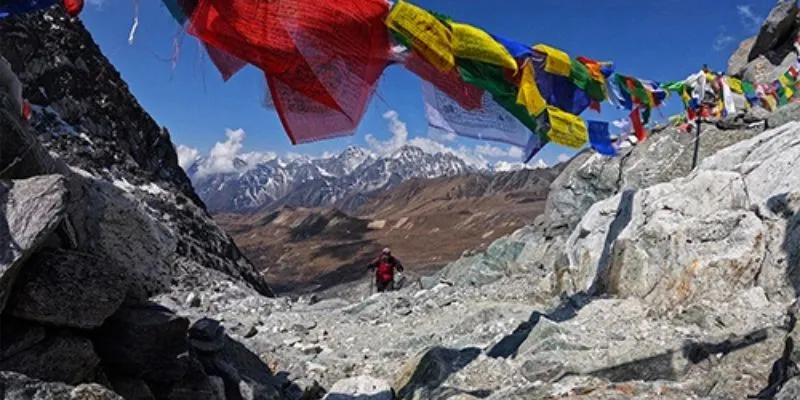
  • Thukla Pass Memorial At the top of Thukla Pass you’ll see a large collection of stone memorials, chortens, and prayer flags set up for climbers and Sherpas who lost their lives on Everest and the surrounding peaks. It’s a moving place, lots of names carved or painted on stones, colorful flags flapping in the wind, and a real sense of respect for everyone who’s chased these mountains. We usually take a short break here, let everyone look around quietly, maybe snap a few photos, and then continue on.
  • Down and On to Lobuche From Thukla the trail drops a little, then contours along the side of the valley before reaching the edge of the massive Khumbu Glacier. You get your first close-up look at the glacier itself, a huge, frozen river of ice and rock stretching away toward Everest. The path follows along the moraine for a while, rocky and uneven, until finally we drop down into Lobuche at 4,931 meters after about 5 to 6 hours total. It’s a small, windswept settlement with just a handful of teahouses, basic but in the perfect spot for tomorrow’s push.
  • Arrival in Lobuche We reach the teahouse by mid to late afternoon, drop the bags in the room, and take a minute to settle in. The altitude hits harder up here, so most people feel it a bit, maybe some tiredness or a light headache. The key is to drink tons of water, rest, and move slow. Grab a hot drink and relax on the bench outside if the sun’s still out, watching the light play across the glacier and peaks.
  • Evening in Lobuche Dinner’s early in the teahouse dining room, something warm and filling like dal bhat, garlic soup, or noodle soup with extra veggies. The room gets cozy with the stove going, and it’s a good time to chat with the group, talk about how everyone’s feeling, and get ready for the big day tomorrow. Your guide will check in with each person, share some tips for handling the altitude, and make sure we’re all set.
  • Overnight Stay at a teahouse or lodge in Lobuche, basic twin room with thick blankets because it gets freezing overnight, shared bathrooms, and that remote, high-altitude quiet outside. Early night tonight, tomorrow we head toward Gorak Shep and Everest Base Camp.


Time
6 - 7 hrs
Max Altitude
5,364 m
  • Morning Trek to Gorak Shep We get an early start after breakfast at the teahouse in Lobuche, something quick and warm like porridge or eggs with hot tea to get the blood moving in the cold morning. The trail heads out along the side of the Khumbu Glacier, mostly flat at first but then climbing over the rocky moraine. It’s a weird, moon-like landscape, loose stones, gravel, big boulders everywhere, the glacier itself rumbling and cracking below on your right. The walking’s slow because of the uneven ground, but after about 1 to 2 hours we drop down into Gorak Shep at 5,164 meters, the last proper settlement before Base Camp. It’s tiny, just a cluster of teahouses huddled together, wind blowing hard, and those massive peaks all around.
  • Check-in & Lunch in Gorak Shep We settle into the teahouse, drop the packs in the room, and grab an early lunch, probably noodle soup or dal bhat to keep the energy up. Everyone takes a few minutes to rest, drink water, layer up if needed, because the afternoon hike to Base Camp is the big one we’ve all been waiting for. The altitude’s real here, so move slow, breathe deep, and stay hydrated.
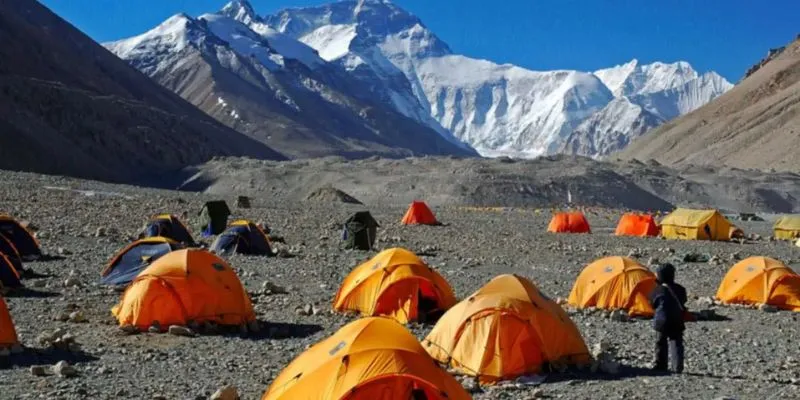
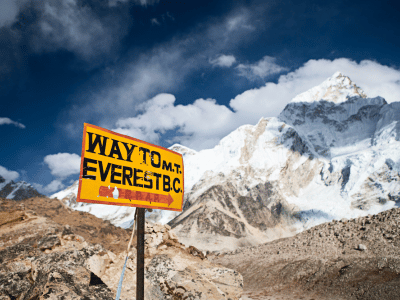
  • Hike to Everest Base Camp After lunch we head out for the 1 to 2 hour walk to Everest Base Camp at 5,364 meters. The trail follows the glacier moraine again, rocky and rolling, with some short ups and downs over loose scree. It’s not super steep but the thin air makes every step feel heavier. As you get closer the Khumbu Icefall comes into full view, that chaotic wall of ice towers and seracs tumbling down from the upper glacier. When we finally reach Base Camp, it’s a flat, rocky area marked with prayer flags, cairns, and usually a bunch of yellow expedition tents if the spring climbing season is on. No big sign or anything fancy, just the raw spot where climbers start their Everest dreams.
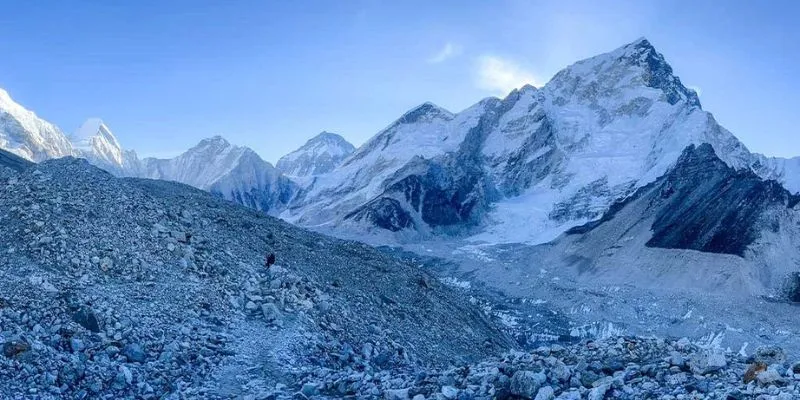
  • At Everest Base Camp Take your time here, wander around, snap photos with the Khumbu Icefall in the background, soak in the fact that you’re standing at the foot of the world’s highest mountain. Everest itself rises up behind the icefall, not the full dramatic summit view like from Kala Patthar, but you see the Lhotse Face and the route climbers take up. The surrounding peaks are unreal too, Pumori sharp and close, Nuptse and Changtse framing the scene, Ama Dablam off in the distance, Taweche and Kantega adding to the ring of giants. It’s windy and cold, but the energy is electric, everyone grinning, high-fiving, taking group shots, just happy to be there after all the days of walking.
  • Back to Gorak Shep We spend as much time as feels right exploring and taking it all in, then turn around for the 1 to 2 hour return to Gorak Shep. The walk back feels quicker somehow, maybe the accomplishment buzzing, but your legs might be tired from the rocky terrain. By late afternoon we’re back at the teahouse, total day around 6 to 7 hours of trekking with the breaks and time at Base Camp.
  • Evening in Gorak Shep Settle in, grab a hot drink, maybe some soup or whatever the kitchen’s got going. The dining room gets warm with the stove, and it’s a great spot to relive the day, share photos on phones, talk about how it felt to reach Base Camp. Your guide will check how everyone’s doing with the altitude, remind folks to drink extra water, and get ready for tomorrow’s sunrise hike to Kala Patthar.
  • Overnight Stay at a teahouse or lodge in Gorak Shep, basic twin room with thick blankets because it’s freezing overnight at this height, shared bathrooms, and that quiet, high-mountain stillness outside. Early night tonight, tomorrow’s the classic sunrise view from Kala Patthar.


Time
6 - 7 hrs
Max Altitude
5,545 m
  • Early Morning Wake-Up in Gorak Shep We set the alarm super early, usually around 4 or 5 AM, because the best light hits Kala Patthar right at sunrise. Grab a quick hot drink if the teahouse kitchen’s up, layer up warm (it’s freezing out there in the dark), throw on your headlamp, and head out. The trail starts right from Gorak Shep, climbing steep switchbacks on rocky steps, loose dirt, and some boulders. It’s short but punchy, about 1 to 2 hours up to the summit at 5,545 meters, breathing hard in the thin air, but the anticipation keeps you going.
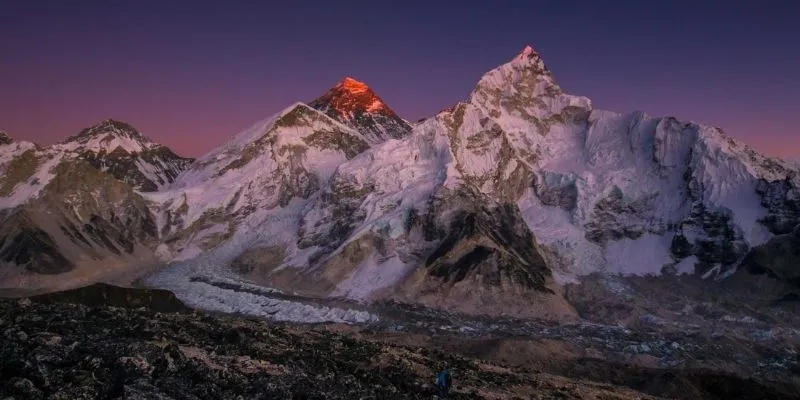
  • Sunrise from Kala Patthar When you top out at the viewpoint, find a good rock to sit on, catch your breath, and wait for the show. As the sky starts turning pink behind the peaks, the sun creeps up between Nuptse and Everest, lighting the snow on Everest’s summit first in that classic golden glow. It’s one of those moments where words don’t do it justice, the world’s highest mountain right there, sharp and massive, with the Khumbu Icefall below and the whole valley in shadow. The light spreads fast, turning Lhotse, Changtse, and the rest golden, and the cold wind on your face just adds to the raw feeling of being up there.
  • 360° Panoramic Views Once the sun’s fully up, turn around and take in the full circle, the Mahalangur Himalayan Range stretching out everywhere. Everest dominates, but you’ve got Lhotse next to it, Makalu off to the east looking huge even from here, Cho Oyu to the west, Pumori close by, and a ton of other peaks filling the horizon. It’s wide open up there, no trees, just rock and snow and sky, one of the best all-around views in the entire Khumbu. Snap as many photos as you want, soak it in, maybe have a quick snack or hot tea from a thermos if you brought one.
  • Back Down to Gorak Shep After spending some time up top, we head back down the same path to Gorak Shep, usually quicker on the way down, about 45 minutes to an hour. The descent feels easier on the lungs, and you get different angles of the mountains in the morning light. Back at the teahouse we grab a proper breakfast, eggs, toast, maybe some pancakes or dal bhat leftovers, plus more tea to warm up and refuel.
  • Trek Down to Pheriche After eating we pack up and start the descent toward Pheriche. The trail drops steadily along the valley, passing through Lobuche again if we didn’t skip it, then continuing down past Thukla Pass (maybe a quick stop at the memorials if you want), and into the wider, greener parts of the valley. It’s mostly downhill with some flat stretches, rocky at first then easier paths through yak pastures and small settlements. The air gets thicker and warmer as we lose height, lungs feel better, and the scenery shifts back to more grass and fewer bare rocks. Total walking time is around 6 to 7 hours including the morning climb, with breaks along the way.
  • Arrival in Pheriche We reach Pheriche by mid to late afternoon, a bigger village with a few teahouses, a Himalayan Rescue Association post, and that open valley feel. It’s lower than Gorak Shep so breathing comes easier, and it’s a nice spot to unwind after the high-altitude push. Check into the teahouse, drop the bags, maybe take a hot shower if they have one running, and just relax.
  • Evening in Pheriche Dinner’s in the warm dining room, hearty food to celebrate the Base Camp and Kala Patthar success, probably dal bhat with extras or whatever the kitchen’s cooking. It’s a good time to chat with the group, reflect on the past few days, and feel how far we’ve come. Your guide will check in on how everyone’s holding up after the high stuff.
  • Overnight Stay at a teahouse or lodge in Pheriche, comfortable twin room with blankets, shared bathrooms, and a quieter night than up high. Sleep well tonight, tomorrow we continue the descent toward Namche or lower.


Time
6 - 7 hrs
Max Altitude
3,440 m
  • Morning Departure from Pheriche After a good breakfast at the teahouse in Pheriche, something warm like eggs, toast, or porridge with plenty of tea to start the day, we pack up and hit the trail downhill. The path drops steadily through the wide valley, past yak pastures, small stone walls, and the occasional chorten. It’s mostly easy going, some rocky sections but nothing steep, and the air feels thicker and richer with every step lower. The mountains still tower around us, but they look different from this angle, softer in the morning light.
  • The Descent to Namche We retrace parts of the route we came up on, passing through Tengboche if the timing lines up (maybe a quick stop at the monastery for one last spin of the prayer wheels), then continuing down through rhododendron and pine forests. The trail has long stretches of stone steps that can be tough on the knees, so take it slow and use your poles if you’ve got them. The views keep changing, glimpses of Ama Dablam fading behind ridges, the Dudh Koshi River roaring louder as we get closer to the valley floor. It’s a full day of walking, about 6 to 7 hours with short breaks for snacks, water, and photos, carrying all those memories from Base Camp and Kala Patthar in your head.
  • Arrival in Namche By late afternoon or early evening we roll back into Namche Bazaar, the familiar bowl-shaped village welcoming us like an old friend. The energy feels different now, more relaxed after the high stuff, shops still buzzing, bakeries smelling of fresh cinnamon rolls, and that sense of coming full circle. Drop your packs at the teahouse or lodge, maybe treat yourself to a hot shower if they’ve got one, and just breathe easy knowing you’ve done the whole Everest Base Camp trek.
  • Celebration Dinner in Namche Tonight we celebrate properly. The teahouse usually sets up a relaxed dinner party in the dining room or a bigger common area, hearty Nepali food like dal bhat with all the extras, maybe some momos, buffalo curry, or whatever local treats they can pull together. Your guide might organize a little toast or share some stories from the trek, everyone swaps photos, laughs about the tough climbs and funny moments, and just soaks in the accomplishment. It’s a great way to wrap up the journey, good food, good company, and that warm feeling of having made it to Base Camp and back.
  • Evening Wind-Down After dinner hang out a bit longer if you want, maybe grab a drink at one of the local spots or just chill on the terrace listening to the village wind down. Namche’s lively but not overwhelming, perfect for easing out of trek mode before heading back to Kathmandu tomorrow.
  • Overnight Stay at a teahouse or lodge in Namche Bazaar, comfortable twin room with hot shower if available, thick blankets for the cooler night, and that familiar mountain-town buzz outside. Rest well tonight, you’ve earned every bit of it after an epic Everest adventure.


Time
5 - 6 hrs
Max Altitude
2,860 m
  • Morning Start from Namche We wake up in Namche, have a relaxed breakfast at the teahouse, maybe some eggs, toast, or a bowl of porridge with hot tea to fuel the last big walk. It’s a bit bittersweet packing up, knowing this is the final day on the trail. We say goodbye to the familiar streets of Namche, the bakeries, the shops, and head downhill, carrying all those memories from Base Camp, Kala Patthar, and the whole Khumbu adventure.
  • The Long Descent to Lukla The trail drops steadily all day, mostly stone steps and dirt paths that wind through pine and rhododendron forests, past the same suspension bridges we crossed on the way up. It’s easier on the lungs now that we’re losing altitude fast, but those endless steps can be tough on the knees, so take it slow, use your poles, and enjoy the scenery one last time. We pass through Monjo and Jorsale again, maybe stop for a quick tea or snack at a familiar spot, wave to locals we met earlier, and feel how different the valley looks coming back down. The Dudh Koshi River rushes louder as we get lower, waterfalls tumbling off the cliffs, and the air gets warmer and thicker with every hour. It’s about 5 to 6 hours total with short breaks, a solid but satisfying last push.
  • Farewell to the Khumbu As we get closer to Lukla the landscape opens up a bit more, villages feel busier, and you start to see planes taking off and landing in the distance. Reaching Lukla feels like closing a chapter, saying goodbye to the high mountains, the quiet trails, the Sherpa families, and that special Khumbu magic. It’s emotional for a lot of people, a mix of tired legs, big smiles, and gratitude for making it all the way.
  • Arrival in Lukla We roll into Lukla by mid to late afternoon, check into the teahouse (same one we started at or a similar spot), drop the packs for the last time, and take a minute to just sit and let it sink in. Lukla’s buzzing as always, trekkers arriving and departing, yaks blocking the path, prayer flags snapping in the wind.
  • Evening in Lukla The rest of the day is free to wander the little market in Lukla, pick up any last souvenirs like handmade jewelry, wool socks, or a Khumbu T-shirt to remember the trip. Grab a cold drink at one of the small shops or just relax on the teahouse terrace watching planes come and go. Dinner’s our last mountain meal, usually a celebratory spread in the dining room, dal bhat with extras, maybe some momos or fried rice, shared with the group and your guide. It’s a nice, laid-back evening, swapping final stories, laughing about the tough days and the wow moments, toasting to the trek’s success.
  • Overnight Stay at a teahouse in Lukla, comfortable twin room with a hot shower if you’re lucky, thick blankets for the cooler night, and that familiar mountain-town feel one last time. Early to bed tonight, tomorrow’s the flight back to Kathmandu, so rest up for the early airport run.


Time
1 hour
Max Altitude
1,400 m
  • Early Morning Flight from Lukla We get up early in Lukla, have a quick breakfast at the teahouse, probably some toast, eggs, or porridge with hot tea to get the day going. Then we head over to the airport, which is just a short walk away. The Lukla runway is famous for being short and sloped, so flights usually leave early when the weather’s calmest. The 35 to 40 minute flight back to Kathmandu is scenic again, flying low along the valleys with last glimpses of the snowy peaks out the window. It’s a nice, smooth way to say goodbye to the mountains.
  • Arrival & Transfer in Kathmandu When we land at the domestic terminal in Kathmandu, our office rep will be waiting right there with your name on a sign. They’ll grab your bags, get you through the small crowd, and drive you back to your hotel, about 30 to 45 minutes depending on traffic. It’s always a bit of a culture shock coming back to the city noise after the quiet of the Khumbu, but it’s good to be on solid ground again.
  • Afternoon in Thamel Once you’re checked back into the hotel, drop your trekking gear, take a long hot shower to wash off the last of the trail dust, and relax for a bit. The afternoon’s free to wander Thamel’s markets. It’s the perfect spot to pick up unique Himalayan souvenirs for family or friends, handmade wool scarves, singing bowls, pashmina shawls, prayer flags, or some local tea and spices. The lanes are full of little shops, friendly bargaining, and that lively backpacker energy. Grab a coffee or fresh juice along the way if you need a break.
  • Evening Farewell Dinner In the evening we meet up with the whole team, your guide, maybe some porters if they’re around, for a relaxed farewell dinner. It’s usually at a nice spot in Thamel or arranged at the hotel, good Nepali food like dal bhat with all the sides, momos, maybe some grilled items or a thali platter. Over dinner everyone shares their favorite moments from the trek, funny stories from the trail, how Kala Patthar felt at sunrise, or the feeling of reaching Base Camp. Your guide will give a little wrap-up, thank everyone for the group spirit, and hand out any trek certificates if that’s part of your package. It’s a warm, laid-back way to close out the Everest Base Camp adventure.
  • Overnight Stay at your hotel in Kathmandu, comfortable bed, hot water on tap, and maybe some quiet time to reflect on the whole journey before your flight home tomorrow or whenever you’re heading out.


Time
Whole Day
Max Altitude
1,400 m
  • Final Morning in Kathmandu Wake up in your hotel, maybe have one last relaxed breakfast, fresh coffee, some fruit, or whatever you feel like before heading home. Take a few minutes to pack up your bags, double-check that you’ve got all your souvenirs, trek photos on your phone, and maybe that little prayer flag or singing bowl you picked up in Thamel. It’s a quiet morning, the city sounds filtering in through the window, a nice contrast to the mountain silence you’ve had for the past couple of weeks.
  • Check-Out & Airport Transfer When you’re ready, check out from the hotel. Our office rep or driver will be waiting in the lobby or right outside, ready to load your bags and take you to Tribhuvan International Airport. The drive usually takes 30 to 45 minutes, depending on traffic, giving you one last look at Kathmandu’s busy streets, temples, and that familiar chaos that feels different now after the trek. It’s a smooth transfer, no rush, just time to sit back and let everything sink in.
  • Saying Goodbye At the airport we’ll help with your bags, make sure you’re set for check-in, and say our final goodbyes. It’s always a bit emotional after sharing such an adventure, your guide or rep will wish you safe travels, maybe remind you to stay in touch or come back for another trek someday. You walk through departures carrying all those unforgettable memories, the sunrise on Everest, the quiet moments at Base Camp, the laughs in the teahouses, the feeling of pushing through the tough days, everything that made this Everest Base Camp journey special.
  • Safe Travels Home Board your flight with a full heart and probably a few sore muscles that’ll remind you of the trek for days. As the plane lifts off, you might catch one last glimpse of the Himalaya out the window if the weather’s clear, a perfect little send-off from Nepal. 


Overview

The Everest Base Camp trek ranks as one of those bucket-list adventures that lives up to the hype, leading you right to the foot of the world's highest mountain in Nepal's Khumbu region. You start with a dramatic flight into Lukla, then follow well-worn paths through deep valleys, crossing swaying suspension bridges over roaring rivers like the Dudh Kosi, passing colorful prayer flags, chortens, and stone mani walls that mark the way. The trail climbs steadily from subtropical forests with pine and rhododendron into alpine zones of scrub and rock, eventually reaching the rocky, glacier-edged plain at Everest Base Camp itself, sitting at around 5,364 meters amid the Khumbu Icefall.

Along the route, Sherpa villages like Namche Bazaar buzz with life, markets selling yak cheese and gear, teahouses serving steaming bowls of noodle soup and momos, and monasteries where monks chant and butter lamps flicker. You walk past grazing yaks, kids waving from doorways, and locals carrying heavy loads with that quiet strength. The scenery shifts dramatically: lush green lower down gives way to barren moraines, turquoise glacial lakes like Gokyo (if you detour), and constant views of giants like Ama Dablam, Lhotse, Nuptse, and of course Everest peeking out higher up. The real magic hits at places like Kala Patthar for sunrise, where the peak catches first light and turns pink-gold against a clear sky, or standing at base camp itself, surrounded by expedition tents, icefall tumbling, and that overwhelming sense of being tiny under the mountain.

What makes it special is the mix of raw challenge and incredible payoff. It's busy in peak seasons, with trekkers from everywhere sharing the path, but the shared energy, stories around teahouse stoves, and that feeling of following in Hillary and Tenzing's footsteps keep it inspiring. The infrastructure is solid, teahouses everywhere with hot meals, charging spots (though spotty higher up), and blankets for cold nights. Altitude is the biggest thing to respect, lungs burning more each day, but the gradual build and rest stops help most people push through. Wildlife shows up too, Himalayan tahr on ridges, colorful danphe birds, maybe a snow leopard print if you're lucky.

Why Choose the Everest Base Camp Trek

If you're chasing the ultimate Himalayan experience, Everest Base Camp delivers like nothing else. Standing at the base of the highest mountain on earth feels personal and profound, a mix of awe and quiet accomplishment. The views are unbeatable, with four of the world's six tallest peaks visible, and the cultural immersion in Sherpa life adds depth, monasteries, festivals, warm hospitality that makes you feel welcomed. It's more accessible than many think, no technical climbing required, just steady walking on good trails with support along the way. Compared to quieter treks, the buzz of fellow adventurers, shared triumphs, and the iconic status make it legendary. Budget-wise it's higher due to flights and permits, but the memories, photos of that peak, and stories you bring home make it worth every rupee for most people.

Packing List for the Everest Base Camp Trek

Pack smart and light, since porters or your own back handle the load, and flights to Lukla limit weight. Layers are key: moisture-wicking base layers, quick-dry trekking shirts and pants, fleece mid-layers, waterproof jacket and pants for rain or snow. A down jacket rated to minus 10 or better handles freezing nights and wind at base camp. Sturdy boots with ankle support and good grip, plus wool socks (extra pairs). Sleeping bag rated to minus 15 Celsius, teahouse blankets help but aren't always enough. Trekking poles for stability on rocky descents and ascents. Headlamp with spares, UV sunglasses, warm hat, gloves, buff.

Health stuff: blister kit, altitude meds like Diamox, painkillers, personal prescriptions, water purification tablets or filter (drink 4 liters daily). Snacks, energy bars, nuts, chocolate for energy dips. Power bank (charging costs extra higher up), camera, cash in small notes. Documents: passport copy, Sagarmatha National Park permit, TIMS card, insurance proof. Keep daypack under 6 to 8 kg, main bag light.

Best Time to Trek the Everest Base Camp

Spring, March to May, and autumn, September to November, are the go-to seasons. Autumn brings crisp air, stable weather, dry trails, clear blue skies, and sharp mountain views, October often perfect with mild days and festivals adding vibe. Spring warms up, rhododendrons bloom thick in forests, wildlife active, though afternoons can cloud and mornings chilly. Both give reliable conditions, great visibility, and teahouses open and busy.

Monsoon, June to August, means heavy rain, landslides, leeches, muddy paths, and hidden peaks, not ideal. Winter, December to February, gets brutally cold, snow blocks trails higher up, some teahouses close, only for experienced folks with gear. October or April usually hit the sweet spot, but book flights and permits early as it's popular.

Preparation Tips for the Everest Base Camp Trek

Train 2 to 3 months ahead: hike hills or stairs with a pack, build cardio with running or cycling, strengthen legs and core. Acclimatize properly, go slow uphill, rest days help, watch for headache or nausea and descend if needed. Hydrate constantly, eat carbs, move steadily. Get comprehensive insurance with high-altitude evacuation cover. Arrange permits, guide (recommended), and Lukla flights through a reputable agency. Pre-trek checkup, vaccinations for hepatitis, typhoid. Learn basic Nepali phrases, respect customs like no photos inside monasteries without asking. With good prep, the trek becomes that epic journey you replay for years, full of those mountain moments that stay with you.
Highlights

Here are 10 highlights from the Everest Base Camp trek that keep coming up when people sit down and actually talk about it, the stuff that hits different once you're back in Kathmandu with a coffee or a beer.

  1. That first view of Everest from Kala Patthar You drag yourself up in the dark at 5 a.m., freezing, headlamp bouncing, then hit the ridge just as the sky starts to lighten. The whole peak turns pink, then gold, with Lhotse and Nuptse right there too. It's dead quiet except for a few cameras clicking, and for those few minutes it feels like the mountain is putting on a private show just for you.
  2. Standing at Base Camp itself The icefall is right in front of you, huge blocks of blue ice tumbling slowly, prayer flags flapping, colorful expedition tents scattered around. You realize this is where climbers start their summit push, and suddenly everything feels massive and real. People take the photo, then just stand there staring, soaking it in.
  3. Crossing the suspension bridges The big ones over the Dudh Kosi are wild, swaying high above milky water, yaks and porters coming the other way. Wind rattles the cables, river roars below, and you grip the sides tight. Early ones feel exciting, later ones just become part of the rhythm, but they always add a little adrenaline.
  4. Namche Bazaar on a market day The town feels alive, shops selling down jackets and Snickers, bakeries with fresh cinnamon rolls, locals bargaining over yak cheese. You sit on a bench with a hot chocolate, watch trekkers arrive puffing from the climb, and it hits you how this little hub keeps the whole Khumbu going.
  5. Hearing the monastery bells and chants Places like Tengboche or Pangboche, you walk in during morning puja, smell incense and butter lamps, hear low chanting and bells ringing. The views out the windows of Ama Dablam are insane, and for a minute the whole trek feels connected to something much older.
  6. Yaks on the trail They lumber past with huge loads, bells clanging, drivers calling out. Sometimes a calf trots along, curious. Higher up they're everywhere, grazing on scraps of grass, and they make the whole place feel properly Himalayan, not just a tourist path.
  7. The slow build of the mountains getting bigger Lower down you catch glimpses of peaks through trees, then around Namche they start dominating the skyline. By Dingboche or Lobuche they're everywhere, towering, close enough to touch. That gradual reveal keeps every day fresh, like the mountains are showing off more each time.
  8. Sunrise or sunset from almost anywhere high Even small ridges above Lobuche or Gorak Shep give unreal light on the peaks. One side glows orange, the other stays in shadow, clouds drift through valleys below. You don't need a famous viewpoint, just stop, sit on a rock, and watch it happen.
  9. Teahouse evenings with other trekkers Long tables, everyone sharing the stove, swapping stories about their day, altitude headaches, or funny porter moments. Someone pulls out cards or a guitar, ginger lemon tea goes around, and it turns into this little community that only lasts a few nights but feels tight.
  10. The quiet moment when you turn around and look back On the way down, maybe near Periche or Phortse, you stop and see how far you've come, the whole valley laid out, peaks you walked under now distant but still sharp. It sinks in that you actually did it, walked to the base of Everest, and that feeling sticks longer than the sore legs.

Included and Excluded

Included :

  • Accommodation in the teahouse or lodge during the trek.
  • Hotel in Kathmandu 3 star Level
  • All the meals (Breakfast, Lunch, Dinner)
  • One experienced English-speaking guide.
  • One Porter for two trekkers.
  • The airport picks up and drops.
  • Sleeping Bag, Duffle bag
  • Trekking Permit, National Park Permit, and other necessary permits.
  • Airfare to travel from Kathmandu-Lukla-Kathmandu.
  • Trekking Certificate

Excluded :

  • All the personal nature expenses, bar bills, laundry, water, travel insurance, beverage, phone calls, internet, and heater during the trek.
  • Tips for the Guide, Porter.
  • Helicopter rescue.
  • Personal Trekking equipment and rescue operation in case of emergency.
  • All the expenses which arise due to a change of itinerary because of a landslide, political trouble, strike, or lockdown.
  • All the Lunch and Dinner in Kathmandu.
  • International airfare.
  • Hot tea and Coffee, Extra bottle of water , juice, mineral water
  • hot showers/ Higher standard accommondation

Route Map

trip route map for Everest Base Camp Trek

Frequently Asked Questions

Traveler Reviews

Verified customer feedback

How was your experience with us?

★ ★ ★ ★ ★

Related Packages

You May Also Love And Like
pacakge-image
Trekking
5 (0 reviews)
16 Days
50 pax
$1390 /person