Why a 2-Night 3-Day Chitwan Jungle Safari Feels Just Right
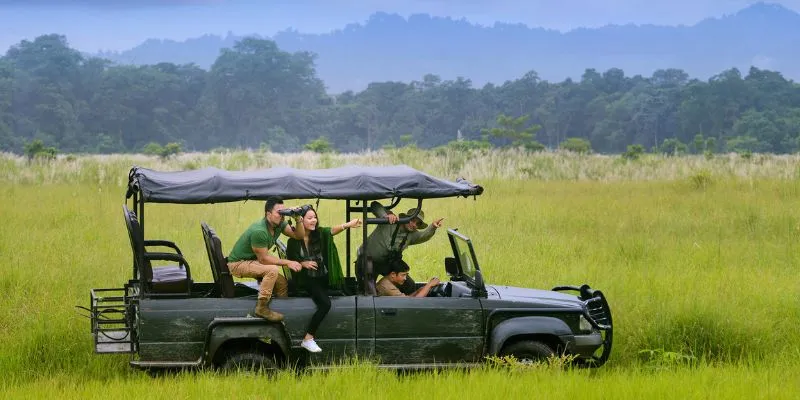
The 2-night 3-day Chitwan tour strikes the perfect balance if you’re short on time but still want the full jungle experience. Chitwan National Park sits in Nepal’s southern Terai lowlands, about 150 km from Kathmandu, and it’s one of the easiest places in the country to see real wildlife without spending a week trekking. You get three solid days of activities ,jeep safaris, canoe rides, jungle walks, elephant interactions, and a taste of Tharu culture ,all wrapped around two comfortable nights in a lodge right on the edge of the park. It’s not rushed, but it’s also not dragging on.
Most people fly into Bharatpur (about 30 minutes) or take a comfortable tourist bus from Kathmandu (around 5-6 hours), arrive in Sauraha or Meghauli, settle into their lodge, and jump straight into the adventure the same afternoon. By the time you head back, you’ve had close encounters with rhinos, watched crocodiles on the riverbank, and walked through thick sal forest listening to alarm calls from deer.
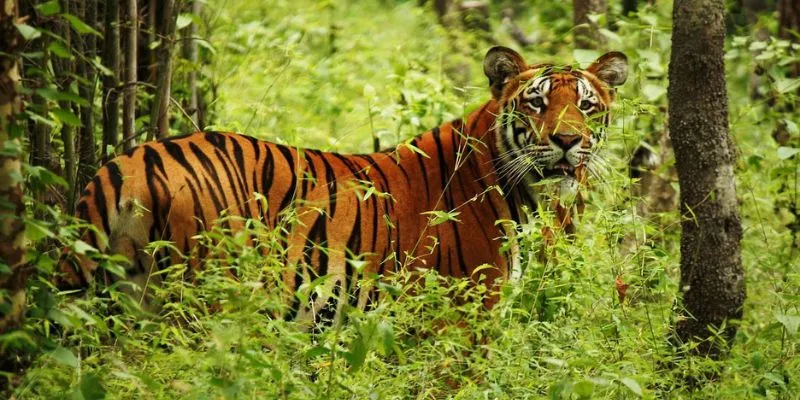
The real draw is how accessible the wildlife is. You’re almost guaranteed to see one-horned rhinos ,they’re everywhere in the grasslands and along the river edges. Tigers are much harder to spot, but the thrill of knowing they’re out there adds a wild edge to every game drive.
You’ll also see big herds of spotted deer, sambar, wild boar, troops of langur and rhesus monkeys, and plenty of birds if you pay attention. The park feels alive: peacocks calling, hornbills flapping overhead, mugger crocodiles sliding into the water when you get too close. It’s not a zoo ,it’s the real thing, and that raw feeling sticks with you.
What a Typical 2-Night 3-Day Itinerary Looks Like
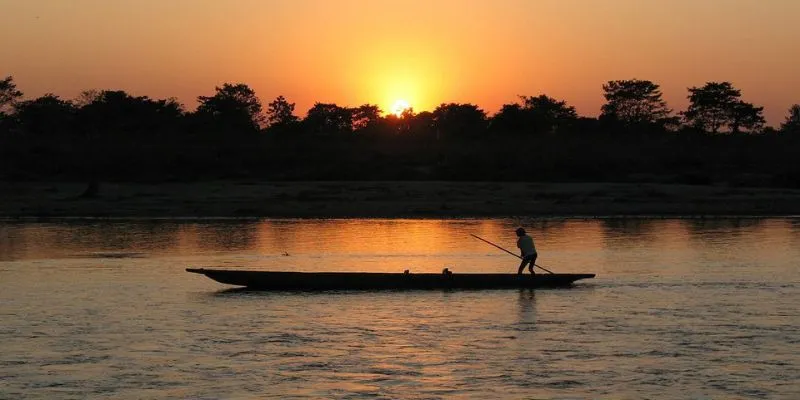
Day one usually starts with travel to Chitwan. If you fly, you’re in Sauraha by mid-morning. After check-in at your lodge (most have cozy rooms with fans or AC, hot showers, and a garden or terrace), you get a quick welcome briefing from your guide. In the afternoon you do your first activity ,often a short jeep safari or a canoe ride on the Rapti River. Sunset on the river is one of the best moments: quiet paddling, gharials and muggers sunning on the banks, kingfishers diving, and the light turning golden over the water.
Day two is the big wildlife day. You start early ,usually 6 or 6:30 AM ,with a jeep safari into the core area. You cover more ground than on foot, so you have a better shot at seeing rhinos, deer herds, and maybe even a sloth bear or a tiger if you’re lucky. Back for breakfast, then you switch to a jungle walk with a trained naturalist and an armed guard. Walking is slower but more intense ,you track footprints, listen to bird calls and monkey warnings, and feel the jungle close in around you.
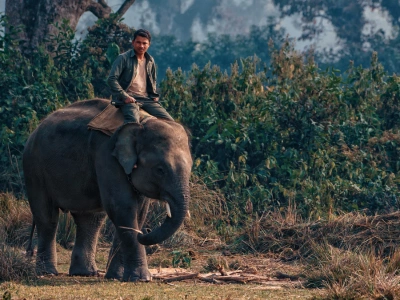
After lunch at the lodge, many groups head to the elephant breeding center to see calves playing and learn about conservation efforts. Late afternoon or evening you catch the Tharu cultural show ,stick dances, fire twirling, and traditional songs performed by local people. It’s simple, lively, and gives you a real sense of the community that lives right next to the park.
Day three wraps things up with a morning activity ,usually another jeep safari or a nature walk ,so you still get a full wildlife fix before departure. Most people fly out from Bharatpur in the afternoon or take the bus back to Kathmandu, arriving by evening. The timing works well if you’re combining Chitwan with Pokhara or Kathmandu in a bigger Nepal trip.
Practical Tips and What to Expect on the Ground
Chitwan is warm and humid year-round, but the best time to go is October to April. October-November and March-April bring clear skies, comfortable temperatures, and active wildlife. Monsoon (June-September) makes the park lush but muddy and buggy, with fewer animals visible. Winter (December-February) is cooler and quieter, great for birdwatching and peaceful walks, though mornings can be chilly.
Pack light and practical: quick-dry clothes (long sleeves and pants for jungle walks to avoid bugs and thorns), sturdy walking shoes or sneakers, a hat, sunglasses, sunscreen, insect repellent, and a reusable water bottle. Most lodges provide binoculars if you don’t have your own. A small daypack for camera, water, and a rain jacket is enough. Don’t expect luxury ,rooms are clean and comfortable, but it’s a jungle lodge, not a five-star resort. Food is usually tasty Nepali-Tharu style: dal bhat, fresh veggies, chicken or fish, plus continental options if you prefer.
The guides make the difference. Good ones know where animals hang out, read tracks, explain plants and birds, and keep safety first. They also share stories about conservation, how the park has brought rhinos back from the edge, and what life is like for people living next to tigers and elephants. That mix of adventure and real connection is what turns a jungle safari into something you remember for years.
If you want a quick, authentic taste of Nepal’s wildlife without a long trek or complicated logistics, this 2-night 3-day Chitwan tour delivers exactly that. You leave with photos of rhinos at close range, memories of river sunsets, and the feeling that you’ve stepped into a living, breathing jungle.