Why This 5-Day Mix of Kathmandu Valley and Lumbini Works So Well
Nepal packs a lot of history and spirituality into a small area, and this 5-day package lets you see the best without feeling rushed. You spend the first three days exploring the seven UNESCO World Heritage Sites inside the Kathmandu Valley, then fly out for a full day in Lumbini, the birthplace of Lord Buddha, before returning. It is the classic way to get both the dense, living heritage of the Newari cities and the peaceful Buddhist roots outside the valley.
Most people start in Kathmandu, stay in Thamel or near Boudhanath for easy access, and use short drives or a quick flight to reach Lumbini. The pace gives you one or two main sites per day, plenty of time for photos, local food, and just sitting in the squares watching life go by. You avoid the exhaustion of trying to cram everything into three days or stretching it to a week.
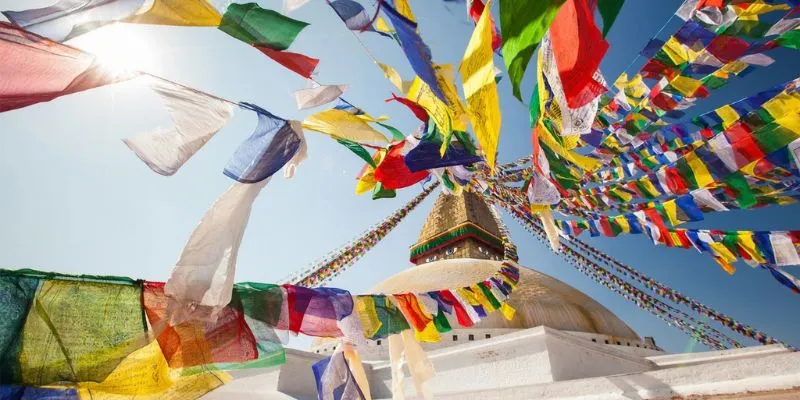
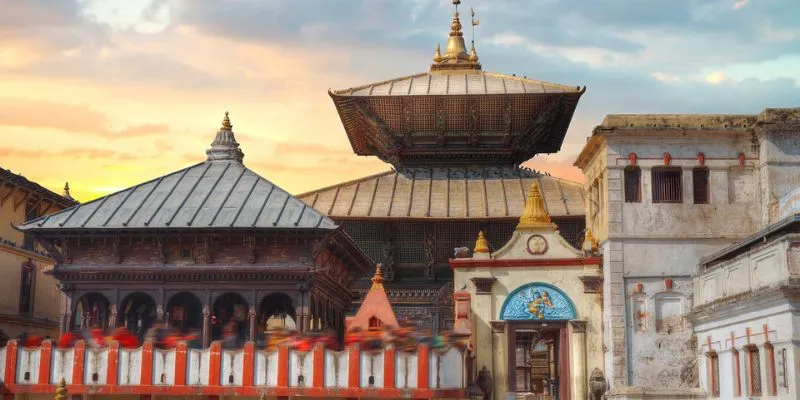
The valley sites feel alive because people still use them every day. You hear bells ringing during morning puja at Pashupatinath, see locals lighting butter lamps at Boudhanath in the evening, and watch Newari families bringing offerings to small shrines tucked in alleys.
Lumbini adds a completely different layer: quiet gardens, international monasteries, and the actual spot where Buddha was born. The contrast keeps the trip interesting. Hindu rituals with sadhus and cremations one day, then silent meditation paths and chanting monks the next. Flights to Bhairahawa (the airport closest to Lumbini) take only about 35 minutes, so you lose almost no time traveling compared to the long bus ride.
How the Days Usually Break Down
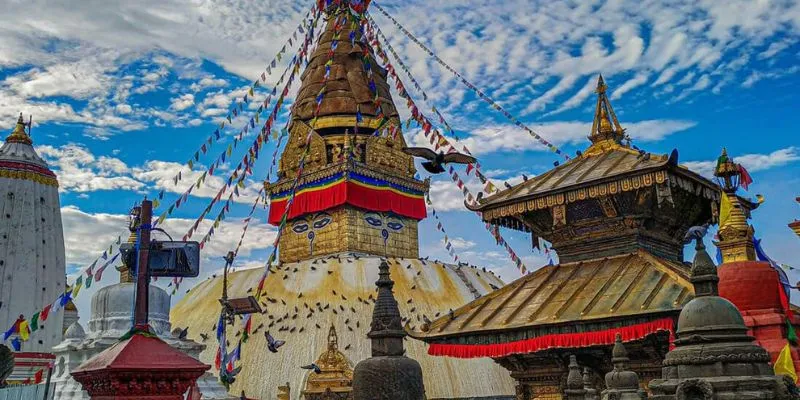
Day one normally starts with arrival in Kathmandu and settling into your hotel. If you land early, many groups head straight to Swayambhunath, the Monkey Temple. Climb the 365 steps in the afternoon light, walk the stupa clockwise spinning prayer wheels, and take in the valley views with monkeys running around. It is a gentle introduction that gets you used to the altitude and the mix of tourists and pilgrims. Evening is free in Thamel for momos, shopping, or just walking the lanes.
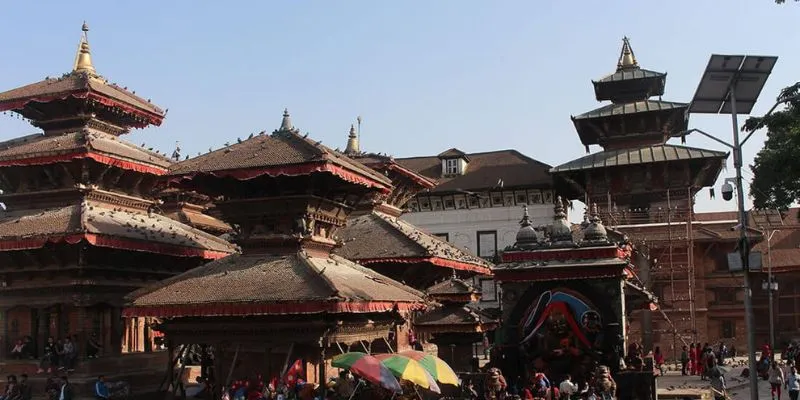
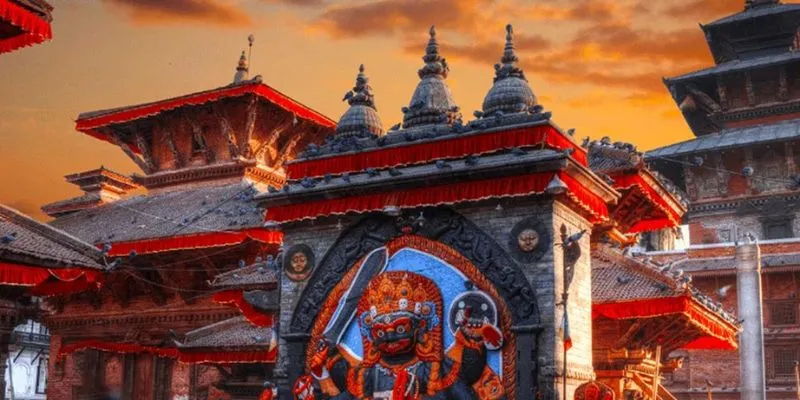
Day two focuses on the big Durbar Squares. Start with Kathmandu Durbar Square in the morning: Hanuman Dhoka palace, Kumari Ghar where the living goddess lives, Taleju temple, and the big bell. Wander the side streets afterward to find hidden courtyards and wood-carved windows.
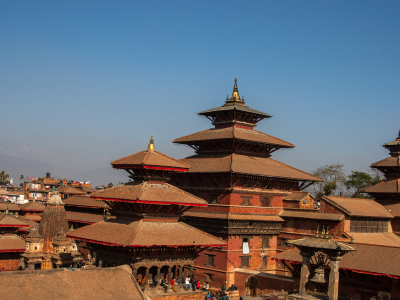
After lunch, move to Patan Durbar Square. The Golden Gate, Krishna Mandir with its stone carvings, and Taleju Bhawani are highlights, and the Patan Museum inside the old palace has some of the finest metalwork and wood art you will see anywhere in Nepal. Finish the day back at Boudhanath Stupa for sunset: walk the kora, light a lamp if you want, and watch the lights come on around the giant white dome.
Day three heads to Bhaktapur and Changu Narayan. Bhaktapur feels quieter than the others, with cobblestone streets, no heavy traffic, and artisans still making pottery by hand in Taumadhi Square. Climb Nyatapola Temple for views, see the lion gates and wood carvings, and grab Newari snacks like bara or yomari from street stalls. In the afternoon, drive up to Changu Narayan, the oldest temple in the valley. The hilltop Vishnu statues, intricate carvings, and valley panorama make it worth the short climb. It is usually less crowded, so you get more space to enjoy it.
Day four is the Lumbini day. Early flight to Bhairahawa, then a 30-minute drive to the site. Spend the morning at the Maya Devi Temple and Sacred Garden: see the marker stone under the ruins where Buddha was born, the Ashoka Pillar, and the sacred pond.
Walk the paths lined with monasteries from Thailand, Germany, China, Japan, Vietnam, and more. Each one has its own style, gardens, and statues. Lunch at a local place, then more time to sit quietly or meditate if that is your thing. Afternoon flight back to Kathmandu, arriving by evening.
Day five is usually departure day. If your flight is later, squeeze in any missed spot or just relax with coffee in Thamel. Most people leave feeling they saw the heart of Nepal's heritage without burning out.
Practical Notes and Best Time to Go
October to November and March to April give the clearest weather, mild temperatures, and fewer clouds for valley views. Winter (December-February) is cooler and quieter but still good. Monsoon (June-September) brings rain and haze, though the sites are less crowded.
Pack comfortable walking shoes, light layers, sunscreen, a hat, and a small daypack. Most sites require modest clothing (shoulders and knees covered), so carry a scarf or shawl. Entry fees add up, but many packages include them along with transport, guides, and lunch.
This five-day loop gives you the full UNESCO experience in Nepal: living temples, ancient carvings, spiritual depth, and the peaceful birthplace of Buddha. It is compact, meaningful, and leaves you with stories about everything from sadhus blessing you to monks chanting at dawn in Lumbini.