
Thrilling One-Day Bhote Koshi Rafting Adventure from Kathmandu
Picture this: You’re in Kathmandu, sipping morning coffee, when suddenly you’re hurtling down one of Nepal’s wildest rivers, screaming through Class III and IV rapids while towering cliffs and waterfalls flash past. No multi-day trek, no overnight camping hassle, just pure whitewater magic packed into a single unforgettable day. That’s exactly what the Rafting Trip to Bhote Koshi from Gorkha International TravelsNepal delivers. For just $90–95 per person (depending on group size), you get the ultimate quick-hit adventure that leaves you buzzing long after you’re back in the city.
I’ve done rafting on the Trishuli, the Sun Koshi, and even a bit on the Marsyangdi, but Bhote Koshi stands out. It’s steep, technical, and relentless in the best possible way. The river drops fast from the Tibetan border area, carving through narrow gorges with non-stop action. In three to four hours you cover about 16 km of bouncy, splashy excitement that feels way more intense than its short length suggests.
And because it’s so close to Kathmandu, just a three-hour drive along the historic Araniko Highway, you’re back in Thamel by evening, ready for momos and a cold beer. Perfect for busy travelers, first-timers craving a real thrill, or anyone who wants to squeeze maximum adventure into minimum time.
Gorkha International Travels Nepal has nailed the logistics on this one. Small groups (max 10 people), experienced local guides, full safety kit, and a smooth round-trip transfer from your hotel. No hidden fees, no stress. It’s the kind of trip that turns “I wish I had time for rafting” into “I can’t believe I just did that today!”
Why Bhote Koshi Feels Different (and Better) Than Other Rivers
Most people think of Nepal’s rafting rivers as long multi-day expeditions deep in the hills. Bhote Koshi flips the script. It’s short but savage, steep gradient, continuous rapids, and that raw Himalayan energy you don’t get on gentler stretches elsewhere.
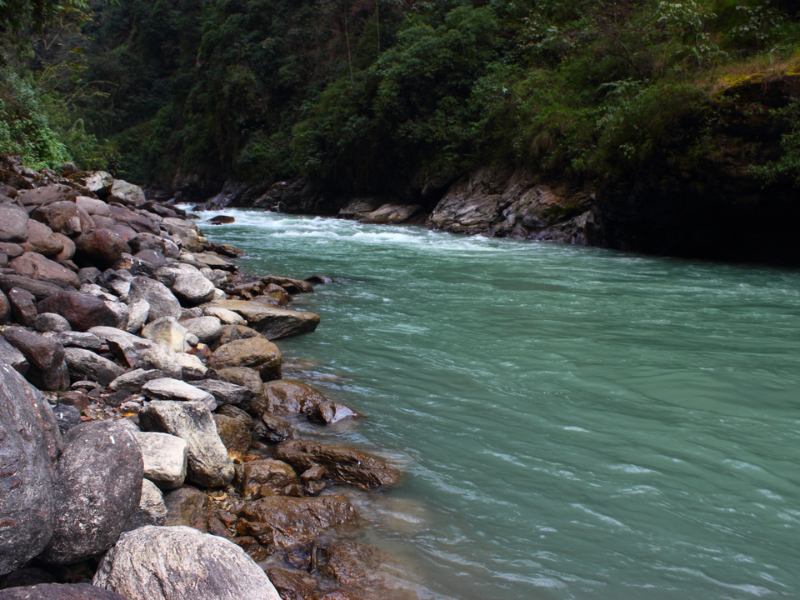
The river flows down from Tibet (hence the name “Bhote Koshi,” meaning Tibetan river), picking up speed as it squeezes through rocky canyons. You’ll hit bouncy waves, technical drops, and sections where the whole boat seems to launch into the air before crashing back down with a massive splash. Guides call it Nepal’s most exciting short run for good reason: there’s hardly any flat water. One rapid flows straight into the next, keeping your arms pumping and your heart racing the entire time.
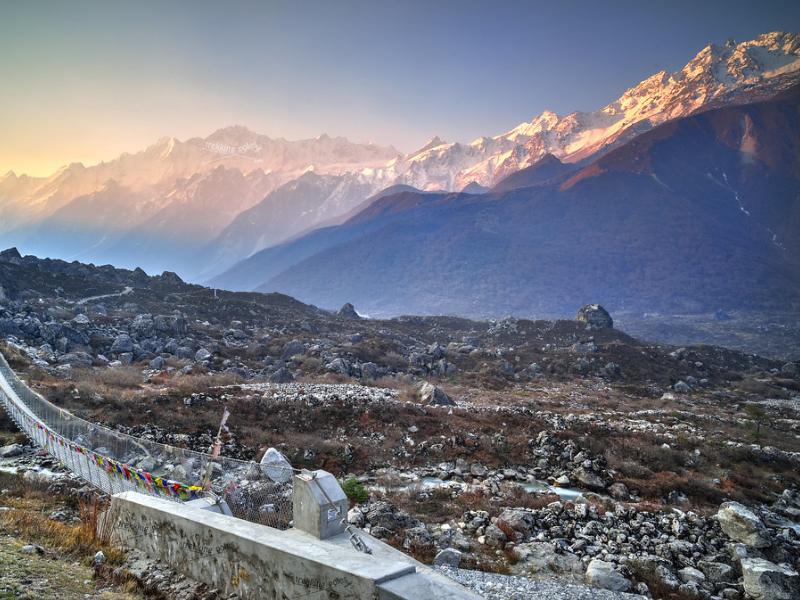
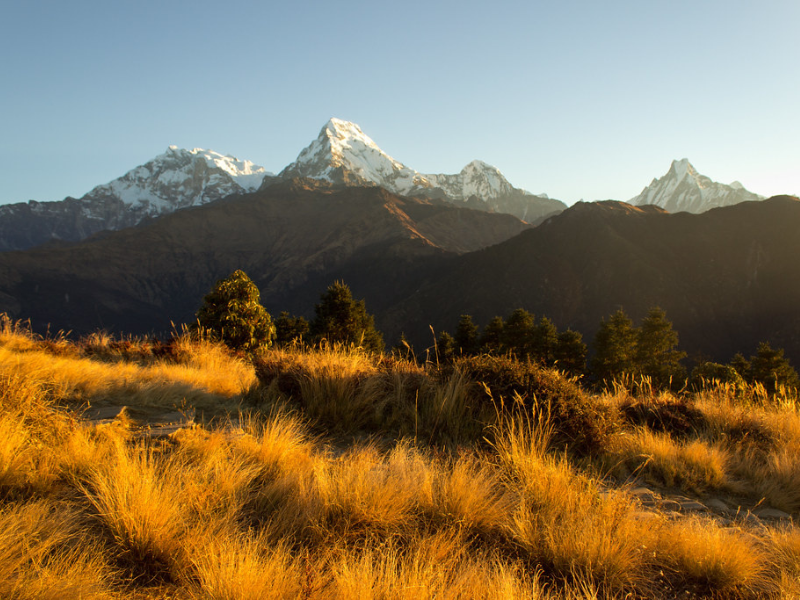
The scenery is pure eye candy too. Narrow gorges with sheer rock walls rising hundreds of feet, waterfalls tumbling in from the sides like silver threads, thick green forests clinging to the slopes, and little terraced fields where farmers wave as you fly past. Every now and then you catch a glimpse of snow-capped peaks peeking above the cliffs. It’s that classic Nepal mix, wild nature right alongside everyday village life.
Compared to the Trishuli (which is great for beginners but can feel a bit tame after the first hour), Bhote Koshi keeps the intensity high without requiring weeks of your time. It’s also more reliable than some longer rivers; water levels stay exciting even in the shoulder seasons. And because the drive is so straightforward, you avoid the long bumpy roads that eat into multi-day trips. Bottom line: if you only have one day free but want to feel like you really earned your adventure badge, this is it.
When to Go: Picking the Perfect Season
Nepal’s seasons make a huge difference on the river, and Gorkha International Travels runs this trip in the sweet spots when conditions are just right.
October to December and February to April are prime time. Autumn (especially October-November) brings clear blue skies, crisp air, and post-monsoon water that’s powerful but not crazy. The drive up the Araniko Highway is stunning, golden light on the hills, distant Himalayan views on clear days. Spring (March-April) is equally magical: rhododendrons blooming on the slopes, warmer days, and slightly gentler flows that are perfect for first-timers who still want solid rapids.
Avoid the full monsoon (June-August) unless you’re an experienced rafter chasing massive water, the river can get dangerous with debris and huge waves. Winter (December-February) works if you don’t mind cooler water; the rapids are milder and crowds are tiny, but you’ll want extra layers for the drive back.
Whenever you go, the team at Gorkha International TravelsNepal adjusts the route and briefing to match conditions and your group’s experience level. Beginners get extra coaching; stronger paddlers can take more challenging lines. It’s flexible and safe without ever feeling watered down.
Getting Ready: What to Pack and What to Expect
You don’t need to be a gym rat or a pro kayaker for this trip. Basic fitness helps, think ability to paddle for a few hours and a reasonable swimming level, but the guides make sure everyone stays safe and has fun. Age minimum is usually around 14, but they assess on the day.
Gorkha International Travels supplies all the essential gear: quality helmet, life jacket (PFD), paddle, and splash jacket or wetsuit if the water’s chilly. That takes the hassle out of packing.
Here’s what you should bring yourself for maximum comfort:
- Quick-dry clothes: synthetic T-shirt or rash guard and shorts (cotton gets heavy and cold, leave it behind).
- Footwear: river sandals or old sneakers with good grip (flip-flops are a no-go, they float away the second you flip).
- Change of dry clothes and a warm fleece or jacket for the ride home.
- Waterproof dry bag (they often provide small ones, but bring your own if you’re protective of your phone/camera).
- Sunscreen, sunglasses with strap, hat that won’t blow off, lip balm.
- Reusable water bottle and maybe a few snacks if you get peckish between meals.
- Any personal medications or glasses (contacts can wash out, backup pair is smart).
The day starts early, pickup from your Kathmandu hotel around 6–7 AM. Dress in your rafting clothes, throw dry stuff in the van, and you’re off. The three-hour drive along the Araniko Highway is part of the fun: winding past Buddhist stupas, colorful villages, and roadside tea shops where locals sell fresh oranges. You’ll cross bridges over deep gorges and watch the landscape shift from Kathmandu valley bustle to rugged Himalayan foothills.
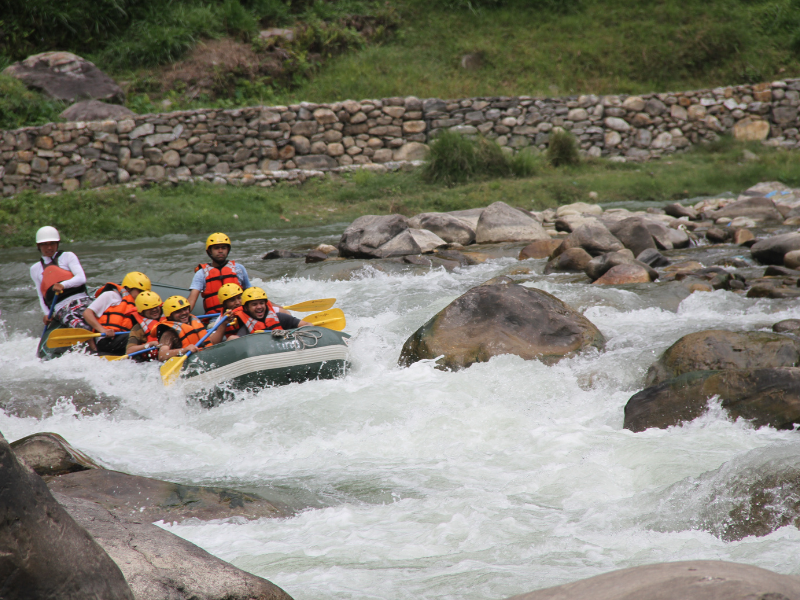
Rafting in the Bhotekoshi River (Source: Wikimedia Commons)
The Day Unfolds: From Hotel Door to River Thrills and Back
Let me walk you through exactly how the day plays out on Gorkha International Travels package, because this is where the magic happens.
Morning Drive and Arrival Your guide picks you up right from the hotel. The van is comfortable, and the team is already cracking jokes to get everyone relaxed. As you climb out of the valley, the air gets fresher. You pass the famous Last Resort bungee jump site (some folks stop for photos on the way back), then continue toward the Tibetan border area. The put-in point is usually around the Lamosangu or Baseri area, right where the river starts getting serious. You pull up at a simple riverside spot, stretch your legs, and get fitted for gear.
Safety Briefing, Short but Serious Before anyone touches the water, the guides run a clear, no-nonsense briefing. They demonstrate paddle strokes (“forward!”, “back!”, “stop!”, “high side!”), explain how to handle a flip (feet up, swim like a starfish), and show the safety kayak that will escort you the whole way. Everyone practices a few commands on dry land. It’s thorough but quick, 15–20 minutes max, and the guides’ calm confidence puts even nervous first-timers at ease.
Into the Rapids, Three to Four Hours of Pure Adrenaline You push off and immediately feel the current grab the raft. The first few minutes are warm-up rapids, Class III waves that get everyone laughing and splashing each other. Then the river narrows and the real fun begins. You hit rapid after rapid with almost no flat water in between. Expect bouncy sections where the boat bucks like a rodeo bull, technical drops where you dig hard to hit the right line, and big waves that crash over the sides and leave everyone soaked and grinning.
The guides read every rock and eddy perfectly. They’ll shout commands and sometimes let the boat spin through a playful section just for the thrill. In calmer pools you get to jump in for a quick swim, the water is icy Himalayan fresh and incredibly refreshing after all that paddling. Kids (and adults) love floating alongside the raft for a bit before climbing back in.
Around the halfway mark you pull into a beautiful riverside beach for lunch. Gorkha International Travels usually serves a hearty Nepali-style meal, dal bhat, fresh vegetables, rice, and maybe some chicken or eggs cooked right there. You sit on the warm stones, dry off in the sun, swap stories, and watch the river rush past. It’s one of those perfect moments where the whole group bonds instantly.
After lunch the action continues. The second half often feels even more intense, tighter gorges, bigger drops, and that satisfying “we’re really doing this” feeling. You’ll pass little suspension bridges with villagers waving, waterfalls cascading down the cliffs, and the occasional monkey watching from the trees. The 16 km flies by because you’re so focused on the excitement.
Take-Out and the Ride Home You reach the take-out point near Dolalghat or Sukute Beach area around mid-afternoon. Everyone’s tired, soaked, and absolutely buzzing. You change into dry clothes, load up the van, and begin the scenic drive back to Kathmandu. The three-hour return trip gives you time to replay the day, compare notes on which rapid was the wildest, and maybe even nap. You roll back into the city by early evening, plenty of time for dinner and a celebratory drink.
Total time on the water: 3–4 hours. Total adventure: 100%.
The Guides Make All the Difference
What really sets Gorkha International Travels apart is their team. These are local Nepali guys who’ve been running this river for years. They know every rock, every eddy, and every quirky rapid like family. They keep safety tight, throw bags ready, safety kayak always nearby, but they also bring humor and encouragement. One minute they’re shouting “high side!” during a tricky drop; the next they’re splashing you playfully or telling a funny story between rapids. It turns the day from “professional trip” into “epic day with friends.”
They adjust everything to your group. Families with teens get extra coaching. Groups of experienced paddlers can take more challenging lines. And they’re genuinely proud to show off their river, it shows.
What You’ll Remember Long After the Trip
You’ll remember the rush of conquering that big drop and high-fiving your boatmates when you nail the line. The way sunlight sparkles on the spray as you fly through a rapid. The taste of that riverside dal bhat after hours of paddling. The laughter when someone gets an accidental full-face splash. And those quiet moments floating in a calm pool, looking up at the cliffs and realizing you’re in one of the most beautiful countries on earth.
Many people tell me this quick day trip becomes the highlight of their entire Nepal visit. It’s proof you don’t need weeks to have a proper adventure.
Ready to Book Your Bhote Koshi Rafting Day?
If you’re in Kathmandu and craving real whitewater without the multi-day commitment, this is the trip. Gorkha International Travels package is simple, reliable, and ridiculously fun. Small groups, great guides, all transfers included, and that unbeatable price of just $90–95 per person.
Contact them directly through their website, mention you read about the one-day Bhote Koshi adventure, and they’ll sort everything. Whether you’re traveling solo, with friends, or as a family, they’ll make sure your day on the river is safe, exciting, and perfectly organized.
Don’t just sit in Kathmandu scrolling through photos of other people’s adventures. Get out there, get wet, and come back with stories you’ll tell for years. The Bhote Koshi is waiting, and trust me, it’s even better in real life than it sounds.
Pack your sense of adventure, book your spot, and get ready for one of the best single days you’ll have in Nepal.


Leave a Comment