
Lobuche Peak Climbing 2026 – 6119m Himalayan Summit Adventure
If you've already ticked off Everest Base Camp or trekked around the Khumbu and you're thinking about taking that next big step into actual mountaineering, Lobuche East at 6,119 meters is hard to beat. We've been putting people on top of this peak for years here at Gorkha International Travel, and every trip reminds us why it's such a favourite. It's got that perfect combo of real technical challenge, insane Himalayan views, and the kind of personal triumph that sticks with you long after you're back in Kathmandu sipping coffee.
This isn't your average trek with a viewpoint at the end. Lobuche East is a proper peak climb, one of the Nepal Mountaineering Association's "trekking peaks," which means it's open to determined folks who aren't full-time alpinists but are ready to learn and push themselves.
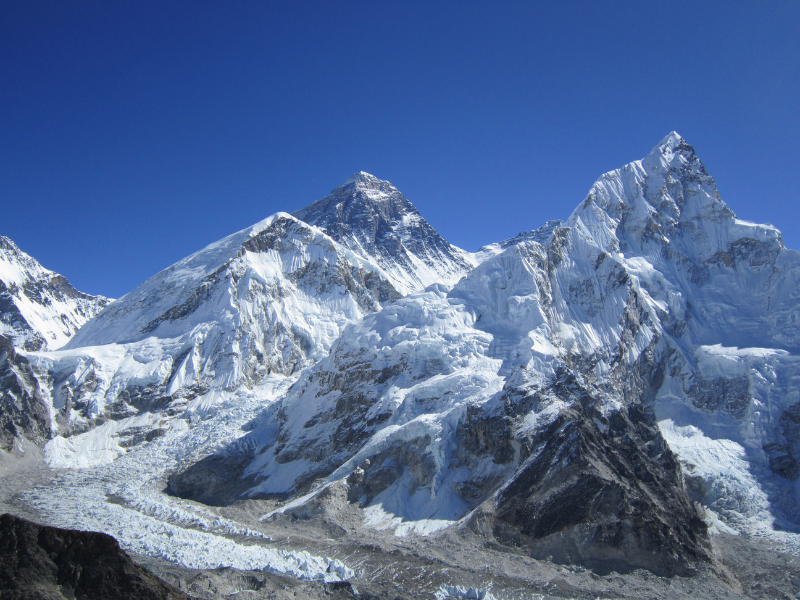
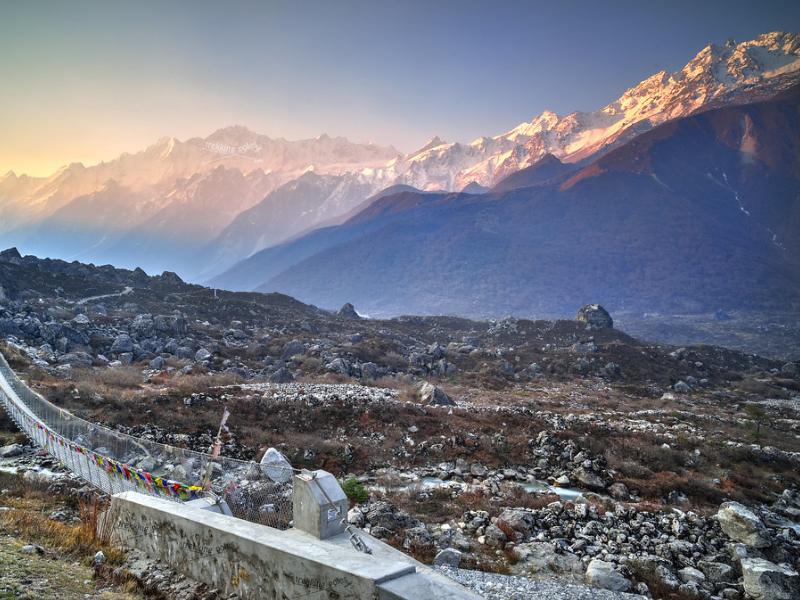
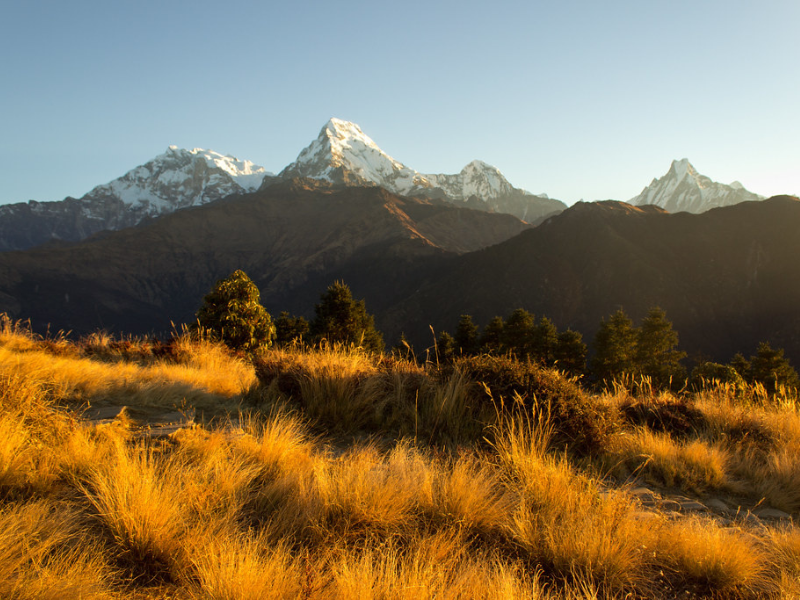
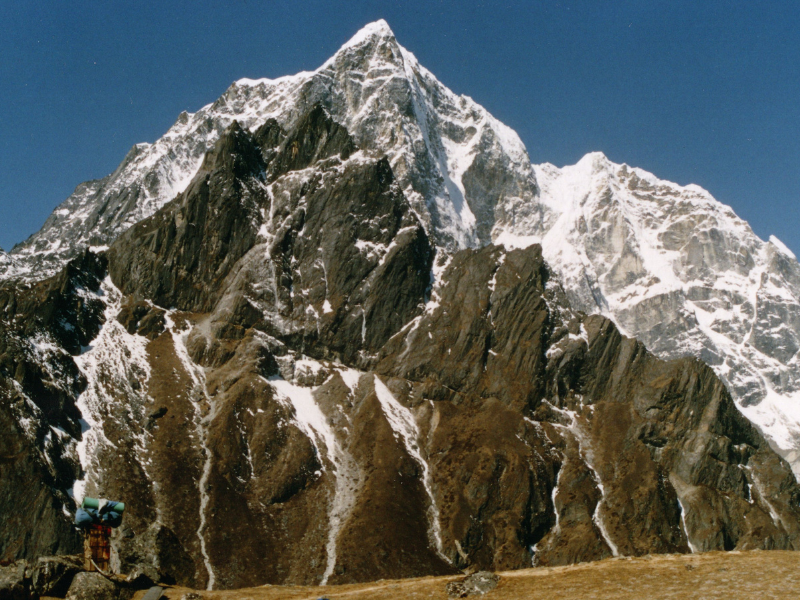
You get the full Everest region immersion first, those classic trails through Sherpa villages, rhododendron forests, monasteries like Tengboche, then the climb ramps up with glacier travel, fixed ropes, steep snow faces, and that exposed summit ridge where every step feels earned. Standing up there with Everest, Lhotse, Makalu, Ama Dablam, and Pumori all around you? It's the kind of panorama that makes the sore legs and thin air worth every bit.
What really draws people in is how accessible yet demanding it is. Compared to something like Island Peak (which gets a lot of hype), Lobuche often feels steeper and more technical in sections, think longer ice slopes, more rope work, and a ridge that keeps you focused.
But with our experienced Sherpas fixing lines and giving hands-on training at base camp, it's doable for fit trekkers who've done high-altitude stuff before. We've had clients who've never worn crampons before summit successfully because they listened, trained during prep days, and trusted the team.
The Real Deal on Difficulty and What Your Body Needs to Handle
Let's be straight, this is challenging to strenuous, no sugarcoating it. You're looking at 6-8 hour days of steady effort, sometimes pushing 10-11 hours on summit day, with elevation gains that test your legs and lungs. The altitude is the biggest factor; above 5,000 meters everything slows, breathing gets harder, and small things like a headache can turn serious fast if you're not careful.
We build in solid acclimatization, extra nights in Namche and Dingboche, side hikes to higher spots like Nangkartshang Peak or Everest View Hotel, to let your body adjust. Hydration becomes everything (3-4 liters a day minimum), and we push garlic soup, good food, and rest. Prior experience trekking to 5,000m+ helps a ton; it means you know what thin air feels like and how your body reacts.
On the technical side, you need to get comfortable with crampons on ice, ice axe for balance and self-arrest, clipping into fixed ropes, and moving on steep terrain without panicking. No expert-level climbing required, we run sessions at base camp covering harnesses, figure-8 descents, rope techniques, and crevasse basics. Our Sherpas are locals who've done this route countless times; they're patient, safety-obsessed, and great at spotting when someone's having an off day.
Fitness-wise, train like you mean it: cardio (running, cycling, stair climbing), leg strength (squats, lunges, hikes with a pack), and endurance for long days. Aim for practice hikes with 800-1,000m gain over 6+ hours. Mental toughness matters too, summit pushes start in the dark, it's cold, windy, and exhausting, but pushing through that moment when the sun hits the peaks makes it all click.
Seasons, Weather, and Why Timing Matters So Much
Spring (March-May) and autumn (September-November) are when we run most trips, clear skies, stable weather, and the best shot at summits. Spring brings blooming rhododendrons lower down and warmer temps, while autumn has those crisp, postcard views with less wind. Success rates sit high in these windows, often 80-90% for prepared groups, because conditions are predictable.
Monsoon (June-August) is a no-go for most; rain, clouds, slippery trails, and leeches make it miserable. Winter (December-February) is possible for the hardcore, deep snow, brutal cold, but visibility drops and risks rise. We stick to the prime seasons to keep things safe and enjoyable.
Weather up high can flip fast, calm one minute, howling winds the next, so we monitor forecasts daily and make smart calls. If a storm rolls in, we wait it out at camp rather than risk it. Patience saves summits more than rushing ever does.
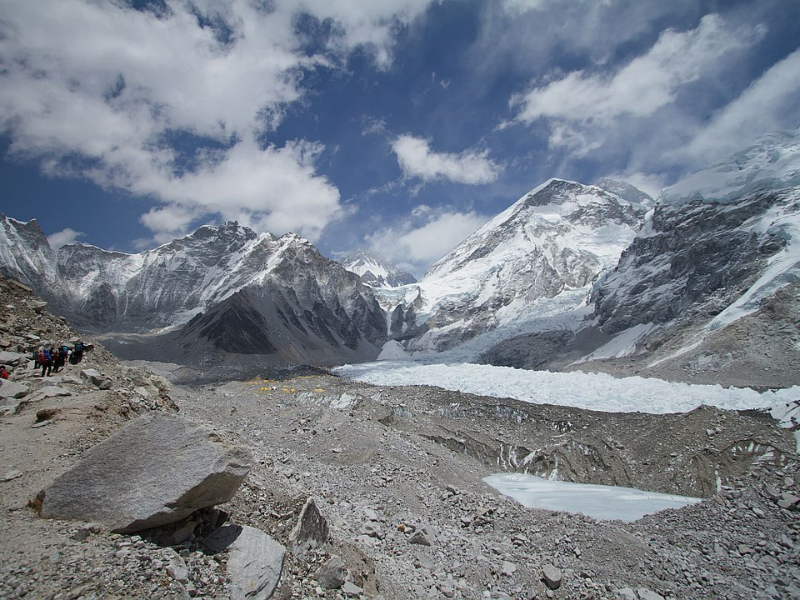
Sagarmatha National Park (Source: Wikimedia Commons)
Gear, Packing, and What We Handle for You
Gear can feel overwhelming at first, but we make it straightforward. We provide group stuff like tents, stoves, ropes, sleeping bags (if needed), down jackets, and duffle bags. Personal climbing kit, crampons, ice axe, harness, helmet, rent in Kathmandu for cheap; we help sort sizes and test fits during prep.
Bring solid layered clothing: base layers, fleece mid-layers, waterproof shell, insulated jacket for summit night (temps drop to -15°C or lower). Mountaineering boots that fit crampons are non-negotiable, warm feet mean everything. Don't forget sunglasses, sunscreen (UV is brutal), headlamp, gloves, balaclava, and a good sleeping pad if you're picky about comfort.
Pack light for your daypack (porters carry the heavy loads, 10-15kg max per person). Test everything beforehand, boots especially, so no blisters on day one.
Safety, Support, and the Team Behind Every Summit
Safety is priority one. Our guides and Sherpas carry radios, oxygen, first-aid, and meds (including Diamox for altitude). We run rope teams on glaciers, watch for crevasses, and have rescue arrangements ready. Small groups mean we can keep an eye on everyone, no one gets left behind.
We cover permits (TIMS, Sagarmatha National Park, NMA climbing permit around $250 peak season), domestic flights Lukla-Kathmandu, 3-star hotels in town, teahouses on trek, tents at base, all meals (hearty Nepali and international options), porters (one for every two climbers), and even finisher medals and farewell dinner.
Exclusions are the usual: international flights, personal insurance (get high-altitude coverage, which is mandatory), visa, bottled drinks, tips, and extra Kathmandu meals.
The Views, Culture, and Why It Changes People
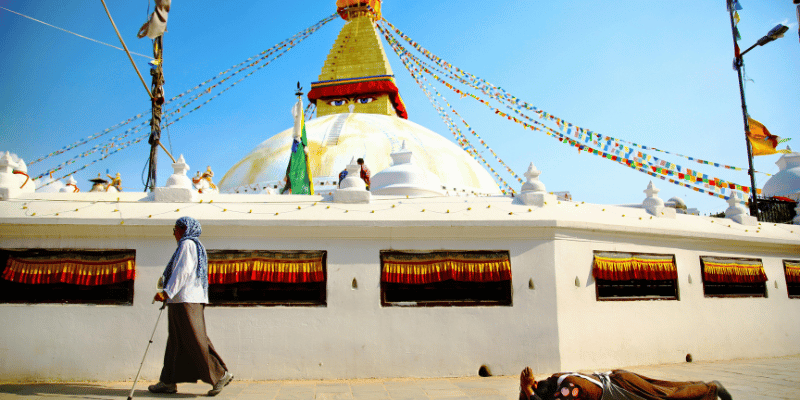
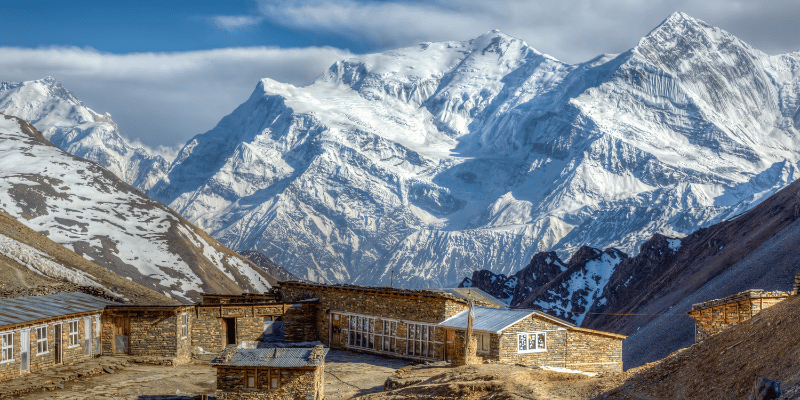
The scenery alone is worth the effort, waking up to Ama Dablam glowing pink, crossing suspension bridges with yaks, visiting ancient gompas, sharing tea with Sherpas who call these mountains home. The cultural side adds depth: prayer flags fluttering, mani stones, the quiet spirituality that permeates the Khumbu.
Then the summit: that ridge walk with the world dropping away, Everest dominating the horizon, the Khumbu Icefall sprawling below. Clients come back different, stronger, more confident, with stories they'll tell for years. We've seen beginners turn into repeat climbers, families bond over shared hardship, friends high-five at the top like they've conquered the world.
Pricing That Reflects the Value
Our all-inclusive package runs from US$2,700 for solo/small groups, dropping to $2,200 for larger ones (16-25 pax). Group discounts make it more affordable the more friends you bring. We guarantee best price and handle everything so you just show up ready.


Leave a Comment