First-Time Nepal Travel Guide 2026: Complete Beginner’s Handbook
Namaste! If this is your first time heading to Nepal in 2026, welcome to the club. We’ve been running trips out of Thamel for years here at Gorkha International Travel, and every single first-timer we’ve taken out comes back saying the same thing: “I wish I’d known all this stuff before I landed.” Nepal hits different.
One minute you’re in chaotic Kathmandu traffic, the next you’re staring at Everest from a helicopter or paddling through whitewater on the Trishuli. It’s beautiful, it’s raw, and it can be a little overwhelming if you’re not prepared. So here’s the guide we wish someone had handed us when we started guiding, everything from visas to what to pack, how to handle altitude, what food won’t make you sick, and how to actually enjoy yourself without getting ripped off or lost.
We’ve helped hundreds of first-timers in the last few years, from backpackers on a budget to families celebrating big birthdays, and this is the stuff that actually matters. Read this, bookmark it, and you’ll hit the ground running in 2026.
Why 2026 Is Actually a Great Year to Come for the First Time?
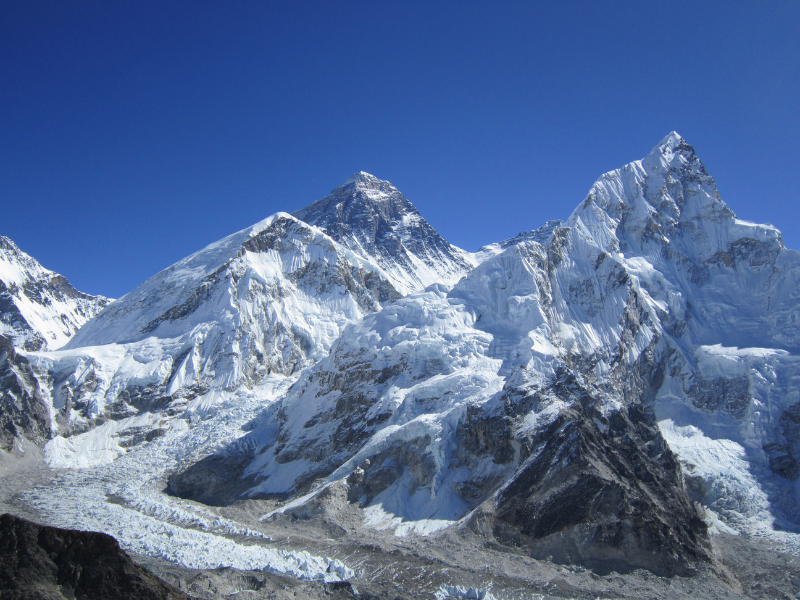
Look, Nepal’s been opening up more every year. By 2026 the new international airport terminal in Kathmandu should be fully running, more direct flights from Europe and the US are coming online, and the roads to Pokhara and Chitwan are smoother than ever. Tourism is steady but not insane yet, especially if you avoid the absolute peak weeks in October. The country is still super affordable compared to other Himalayan spots, and the mountains haven’t changed, they’re still the most dramatic on earth.
We’re seeing more people doing their first big trip here after COVID years, and honestly? It feels fresh again. Fewer crowds on the trails in shoulder seasons, better internet in most villages, and we’ve got smoother logistics than ever. Whether you want a quick 1-day Trishuli rafting hit, an Everest helicopter morning, or you’re already dreaming of Lobuche Peak, 2026 is a solid window.
Getting Your Visa Sorted (2026 Rules)
This one’s easy but do it right. Most nationalities get a visa on arrival at Tribhuvan Airport or the border. 15 days = $30, 30 days = $50, 90 days = $125. Bring cash USD or Euros (they don’t always take cards). Download the Nepal Immigration app before you fly, it speeds things up.
If you’re staying longer than 90 days or doing multiple trips, get the visa in your home country. For 2026 there’s talk of a new “digital nomad” visa for longer stays, we’ll update you when it drops. Pro tip: print two passport photos and keep your passport valid for at least six months. We’ve had people turned around at the airport for silly stuff.
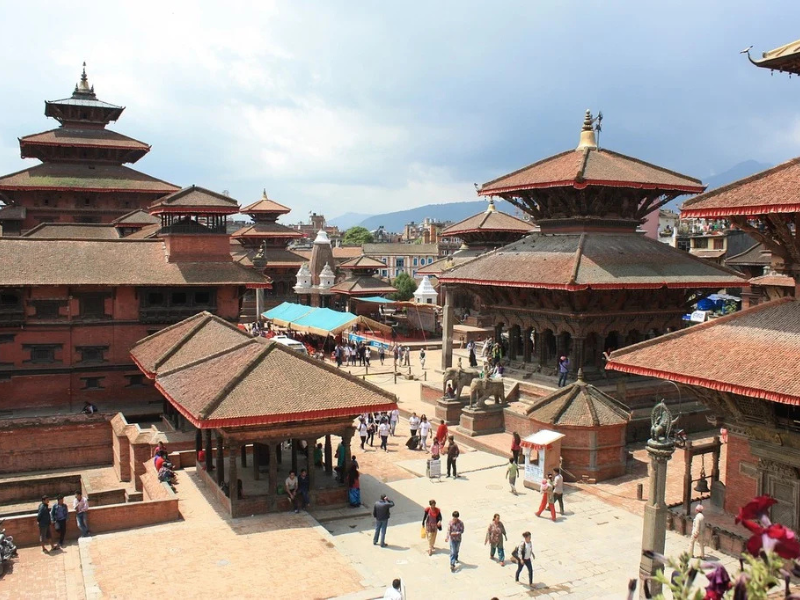
Kathmandu Durbar Square (Source: PICRYL)
Flights & Getting to Kathmandu
Fly into Tribhuvan (KTM). Direct flights from Delhi, Dubai, Doha, Bangkok, Singapore, Istanbul, and a few European cities are easiest. From the US or Australia you’ll probably have one stop. Book early for October and April, prices spike. Once you land, we can pick you up (seriously, just WhatsApp us). Avoid the taxi mafia outside, they’ll charge double.
Inside Nepal, domestic flights to Lukla, Pokhara, or Chitwan are cheap but often delayed. We always build buffer days into our packages because of that.
First Days in Kathmandu, Where to Stay & What to Do
Stay in Thamel. It’s touristy, yes, but it’s where everything happens, our office is right there, gear shops, good food, and easy taxis. We recommend 3-star places like Hotel Thamel or similar, clean, hot water, rooftop views, around $40-60 a night. Avoid the super cheap hostels if you want a decent sleep before heading to altitude.
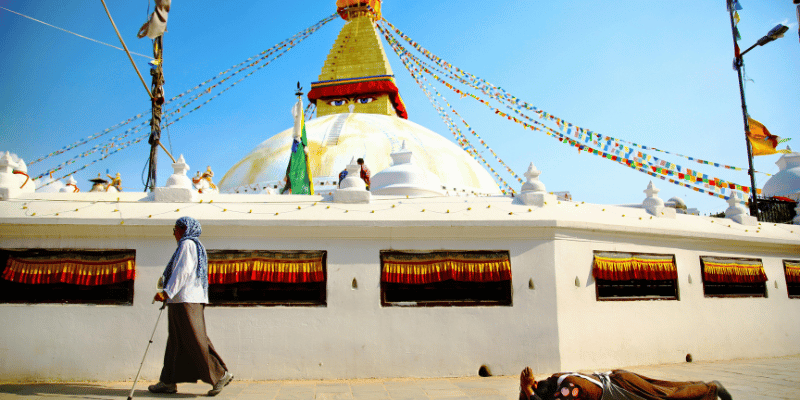
Spend your first day chilling. Walk around Thamel, hit Durbar Square, Swayambhunath (Monkey Temple), and Boudha Stupa. Grab a coffee at one of the garden cafés and just watch the chaos. Jet lag plus Kathmandu pollution can knock you out, take it slow.
Money, ATMs & Cards in 2026
Nepal is still mostly cash. ATMs are everywhere in Kathmandu and Pokhara. Use Himalayan Bank or Nabil for best rates. Cards work in bigger hotels and restaurants now, but carry plenty of rupees for villages. In 2026 contactless is getting more common, but don’t rely on it up high.
Tip: withdraw big amounts in Kathmandu (ATMs in Thamel are reliable) and change leftover rupees at the airport on the way out, you’ll get better rates.
What to Actually Pack
Pack light, seriously. One 40L backpack and a daypack is perfect. Layers are king:
- Base layers (merino is best)
- Fleece mid-layer
- Waterproof shell jacket and pants
- Down jacket (even for summer, nights get cold)
- Good trekking boots (break them in!)
- 4-5 pairs quick-dry socks
- Hat, gloves, buff, sunglasses
- Headlamp with extra batteries
- Reusable water bottle with filter (LifeStraw or similar)
- Quick-dry towel, toilet paper, wet wipes
- Power bank (electricity cuts happen)
- Basic meds: Diamox for altitude, Imodium, paracetamol, antiseptic
For rafting or climbing we rent crampons, ice axes, etc. Don’t bring fancy clothes, you’ll live in trek pants and hoodies.
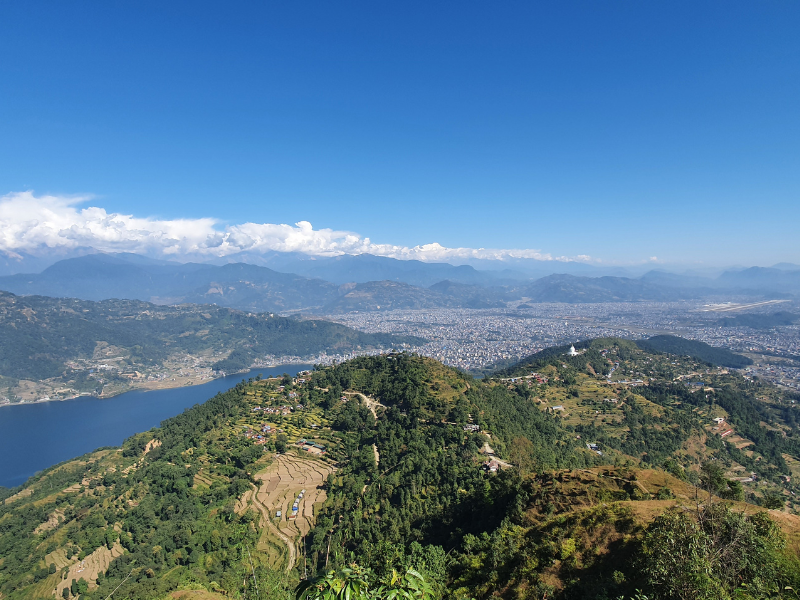
Aerial View Of Pokhara (Source: Wordpress)
Health, Altitude & Staying Alive Up There
This is the big one first-timers underestimate. Altitude sickness is real. Even our Everest helicopter tour lands you at 5,545m, you’ll feel it. Drink 4 liters a day, go slow, eat garlic soup, and take Diamox if your doctor says it’s ok. We’ve had fit people get hit hard because they rushed.
Get travel insurance that covers helicopter evacuation; it’s cheap and worth every penny. No joke, we’ve seen it save trips. Vaccinations: Hep A, Typhoid, and Tetanus are smart. Drink only bottled or filtered water. Street food is fine if it’s piping hot.
Nepali Culture & How Not to Look Like a Tourist
Nepalis are some of the friendliest people on earth, but a little respect goes far. Use “Namaste” with hands together. Don’t point at people or religious stuff. Take shoes off before entering temples. Dress modestly in villages, shoulders and knees covered. Ask before taking photos of people.
The biggest culture shock? Time moves slower. “Nepali time” is real, things start late, plans change. Roll with it. It’s part of the charm.
Food, What to Eat & What to Avoid
Dal bhat is king: rice, lentils, veggies, pickle. It’ll power you through any trek. Momos, thukpa, chowmein, and Tibetan bread are everywhere. Try everything in Kathmandu first while your stomach adjusts.
Vegetarian is easy and delicious. Avoid salads and ice in villages. Beer (Gorkha or Everest) is cheap and good after a long day. Coffee culture in Thamel is surprisingly decent now.
Safety in 2026
Nepal is safe for solo travelers, including women, but use common sense. Stick to well-lit streets at night in Thamel. Use registered taxis or Uber-style apps. We’ve never had a serious issue with any of our clients, but petty theft happens, keep valuables in the hotel safe.
Political stuff? Strikes and bandhs still pop up occasionally. We keep clients updated and have backup plans.
Popular First-Timer Routes & How We Make Them Easy
Most people start with:
- 7-10 day Everest Base Camp trek (or our helicopter version for the views without the pain)
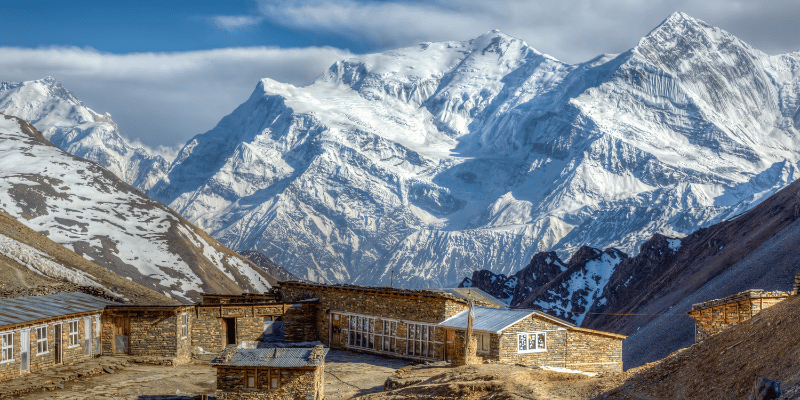
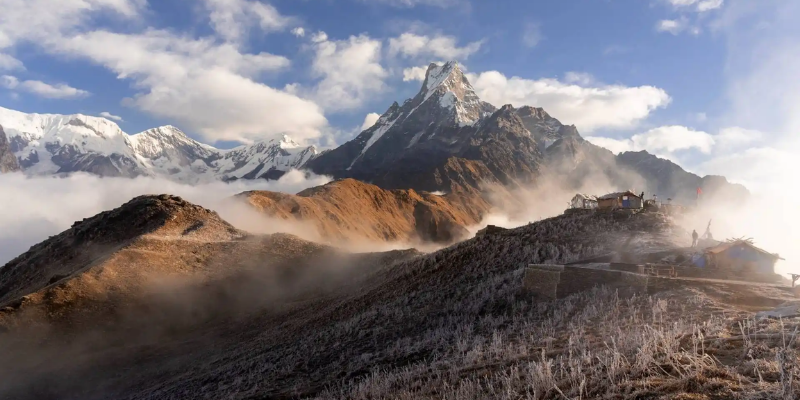
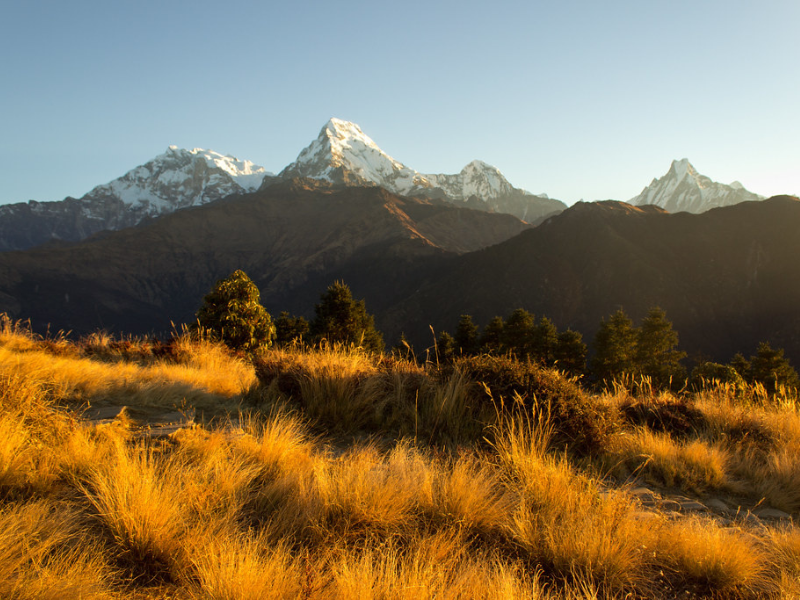
- Annapurna Base Camp or Ghorepani-Poon Hill for easier entry
- Our 1-day Trishuli River Rafting, perfect jet-lag buster
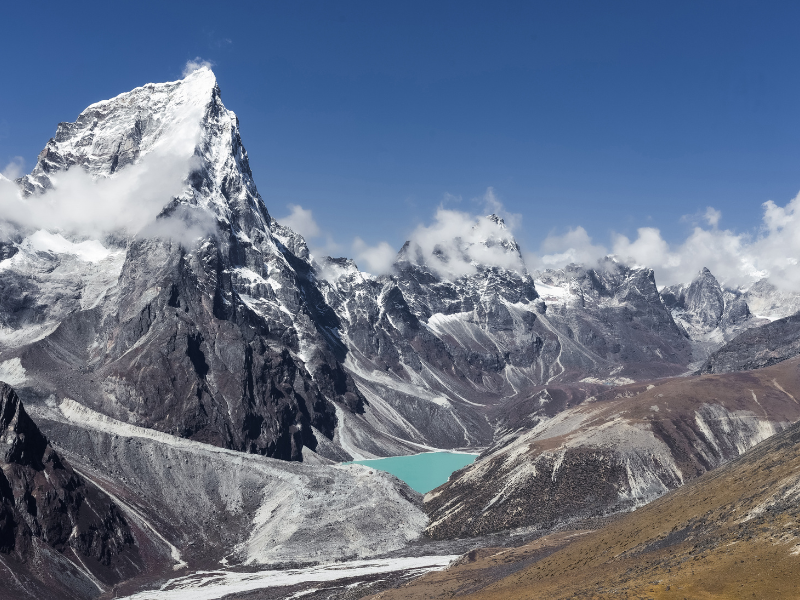
- Lobuche Peak if you’ve done EBC before and want a real summit
- Chitwan safari + Pokhara combo for variety
We build custom plans so you don’t waste days. Many first-timers do Kathmandu → Trishuli rafting → Pokhara paragliding → short trek → Everest heli. Keeps it exciting without burnout.
Festivals in 2026 You Might Catch
Dashain (October) is the big one, families reunite, kites in the sky, animal sacrifices (you can skip that part). Tihar right after, lights everywhere, dogs get garlands. If you’re here in spring, catch Holi or Buddha Jayanti. We always adjust trips around festivals because they’re worth it.
Sustainable Travel, How to Do It Right
Don’t buy plastic bottles, carry a filter. Use the “Leave No Trace” thing on trails. Hire local porters and guides (we only use our own trained team). Support locally owned teahouses. We’ve started carbon-offset programs for all our treks, small stuff but it adds up.
Common First-Timer Mistakes (Don’t Do These)
- Rushing altitude, too many people try to do EBC in 10 days and crash.
- Overpacking, you don’t need 10 outfits.
- Not testing gear beforehand.
- Ignoring weather apps, check mountain-forecast.com daily.
- Being too shy to ask for help, Nepalis love helping.
How Gorkha International Travel Makes Your First Trip Smooth
We’re not some big faceless operator. We’re based right in Thamel, if you need us we treat every client like family. Whether it’s sorting your first rafting day on Trishuli, flying you to Everest by helicopter, or getting you up Lobuche safely, we handle permits, gear, food, everything. You just show up excited.
We’ve got flexible packages for every budget and fitness level, group discounts, and real local guides who’ve grown up in these mountains.
Final Words: You’re Going to Love It
Nepal in 2026 is going to blow your mind. The mountains, the people, the food, the chaos and the peace all mixed together, there’s nowhere else like it. Come with an open mind, a bit of preparation, and you’ll leave with stories you’ll tell for the rest of your life.

Leave a Comment