Best Time to Visit Nepal for Trekking, Climbing & Adventures in 2026
If you're planning a trip to Nepal in 2026 and want to hit the trails, summit a peak, raft some rivers, or fly over Everest, timing is everything. We've been guiding folks through these mountains for years here at Gorkha International Travel, and we've seen how the seasons can make or break your experience.
The short answer? Autumn (September to November) edges out as the absolute best overall, crystal-clear skies, stable weather, and those razor-sharp mountain views that make every photo look like a postcard. But spring (March to May) is right there with it, especially if you love blooming flowers and warmer days.
The other two seasons, winter and monsoon, have their niches, but they're not for everyone.
Let's break it down month by month and season by season so you can pick what fits your vibe, fitness level, and what kind of adventure you're chasing. This is based on how the weather actually plays out up here, plus what we've seen on the ground with our groups.
Autumn: The Gold Standard (September to November)
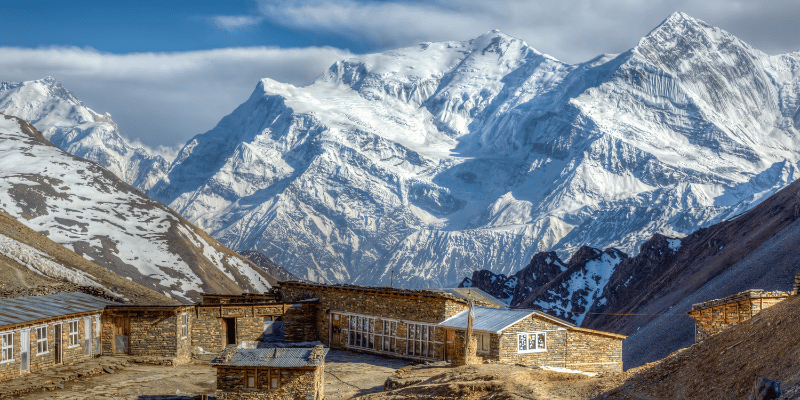
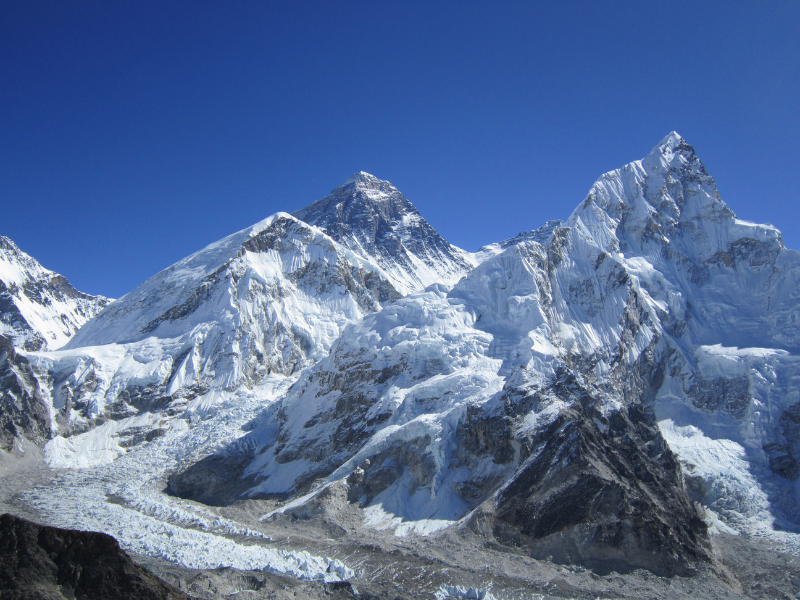
Hands down, this is when most people dream of coming to Nepal, and for good reason. The monsoon rains wash out by mid-September, leaving the air super clean and the views insanely sharp. Days are mild (10–20°C in lower areas, cooler higher up), nights get chilly but not brutal, and rain is rare. You get blue skies almost every day, perfect for spotting Everest from Kala Patthar or crossing high passes like Thorong La on the Annapurna Circuit without clouds blocking the show.
October is usually the sweet spot, crowds peak around then, but the weather is rock-solid. November starts cooling off more, with early snow possible above 4,000m, but trails stay open and views stay epic. This is prime time for pretty much everything we offer: Everest Base Camp treks, Annapurna Base Camp, our Lobuche Peak climb (fixed ropes and summit pushes go smooth), Trishuli rafting (water levels are fun but not crazy), and helicopter tours to Everest (mornings are calm, visibility maxed out).
Downsides? It's busy, lodges fill up, flights to Lukla get delayed sometimes from demand. If you hate crowds, aim for late September or early November. But if you want the best shot at clear summits and no weather drama, book autumn 2026 now, spots go fast.
Spring: Blooming Beauty & Solid Climbing Window (March to May)
Spring is neck-and-neck with autumn for most trekkers and climbers. The weather warms up nicely, days hit 15–25°C lower down, nights stay cool, and the hills explode with rhododendrons (especially April). Purple, pink, red flowers everywhere turn the forests into something out of a painting. Visibility is great most days, though afternoons can get a bit hazy from dust or pre-monsoon buildup.
This is huge for peak climbing: April and May are when expeditions push for Everest summits, and our Lobuche East trips see high success rates with stable windows. Helicopter flights run reliably early mornings, rafting picks up with melting snow boosting river flows (Trishuli gets exciting), and classic treks like Everest or Annapurna feel magical with the blooms.
March can still be chilly with some snow on high trails, but by April it's prime. May edges toward monsoon, occasional showers start, but it's still doable. If you want fewer people than October and that floral explosion, go spring. Just pack layers for temperature swings.
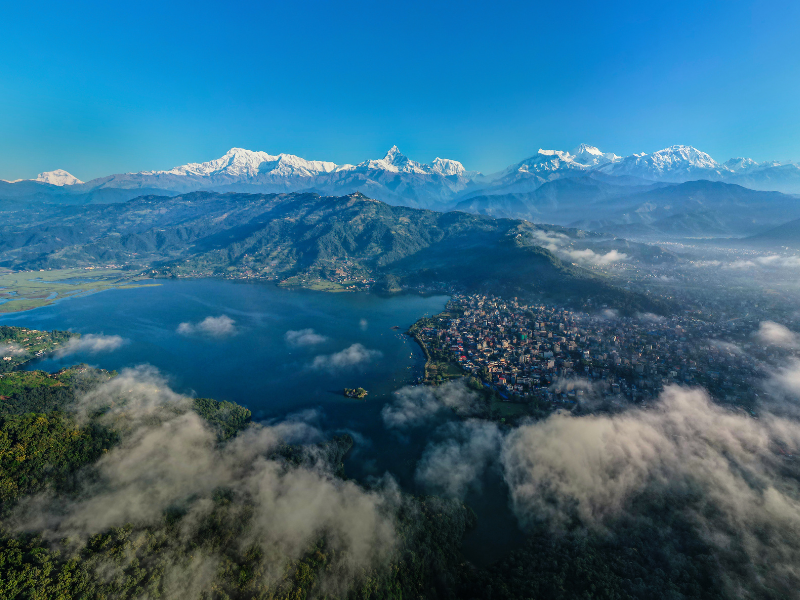
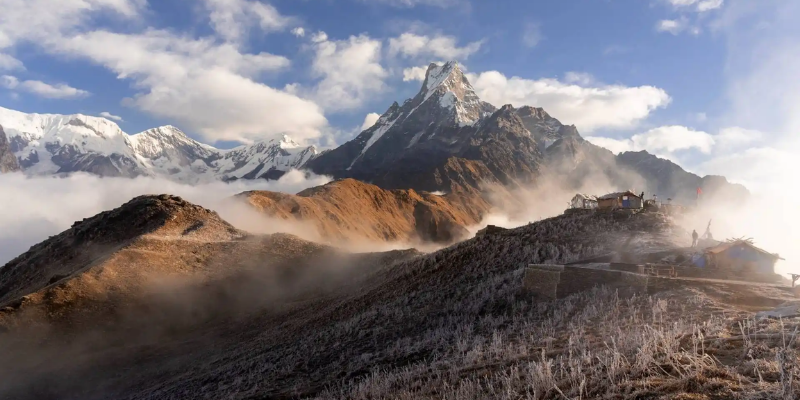
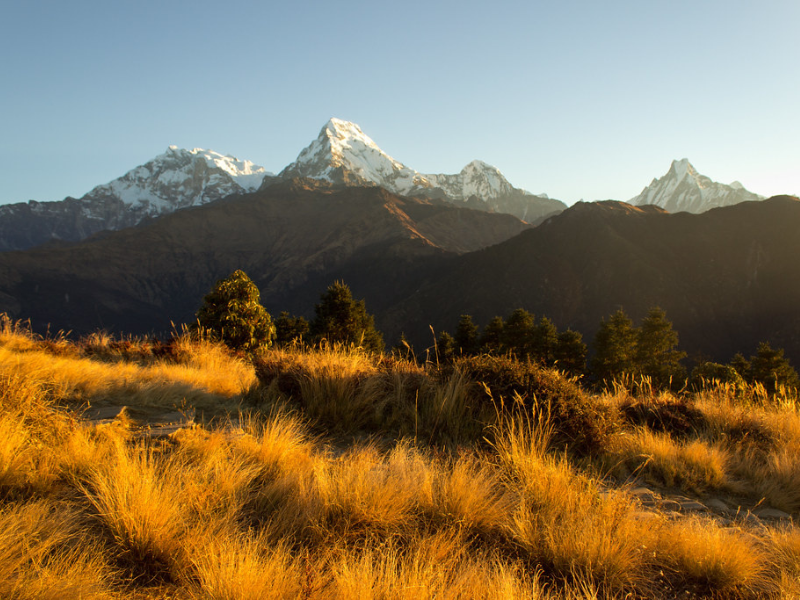
Morning View From Pokhara (Source: Wikimedia Commons)
Winter: Solitude & Crisp Air (December to February)
Winter gets overlooked, but it's underrated if you don't mind the cold. Skies are often super clear (some of the sharpest views of the year), crowds vanish, and prices drop. Lower trails (like around Pokhara, short Annapurna sections, or Kathmandu valley hikes) stay comfortable, with days in the 10–15°C range.
Higher up? Expect freezing nights (-10°C or lower above 3,000m), snow on passes, and closed teahouses on big routes like Everest or full Annapurna Circuit. But for our Trishuli rafting (calmer water, fewer people), short cultural walks, or even a quick Everest helicopter tour (clear but cold mornings), it works. Climbing? Not ideal, too much snow and wind for most peaks like Lobuche.
If you're after peace, budget savings, and don't mind bundling up, winter delivers. Festivals like Dashain leftovers or Losar add cultural flavor too.
Monsoon: Rain Shadow Adventures & Off-Beat Vibes (June to August)
Monsoon means daily rain in most places, slippery trails, leeches, clouds hiding mountains, swollen rivers. Classic high treks shut down or get risky. But it's not all bad: rain-shadow areas like Upper Mustang, Dolpo, or parts of Manaslu stay dry-ish and open. Lush green valleys, fewer tourists, lower prices, it's a different Nepal.
Rafting? Trishuli runs big and wild, great for adrenaline junkies. Helicopter tours? Spotty, many mornings are flyable, but afternoon storms roll in. Climbing? Almost no-go except rare windows.
Most folks skip full monsoon for Nepal adventures, but if you're flexible and want solitude in hidden spots, it has its charm.
Quick Comparison Table for Your 2026 Planning
- Autumn (Sep–Nov): Best overall – clear views, stable, peak for treks/climbs/heli/rafting
- Spring (Mar–May): Blooming magic, great climbing, warmer days
- Winter (Dec–Feb): Quiet, cheap, crisp but cold – lower trails only
- Monsoon (Jun–Aug): Wet, green, rain-shadow only
Extra Tips for 2026 Trips
Weather's getting a bit more unpredictable with climate shifts, check forecasts closer to your dates. Book early for peak months (October, April) to snag permits, flights, and our group spots. Altitude hits harder in any season, acclimatize properly, especially for climbs like Lobuche or heli landings at Kala Patthar.
No matter when you come, Nepal delivers if you match the season to your adventure. Autumn or spring? You'll get the classic Himalayan wow. Shoulder seasons? More personal, often cheaper.


Leave a Comment